

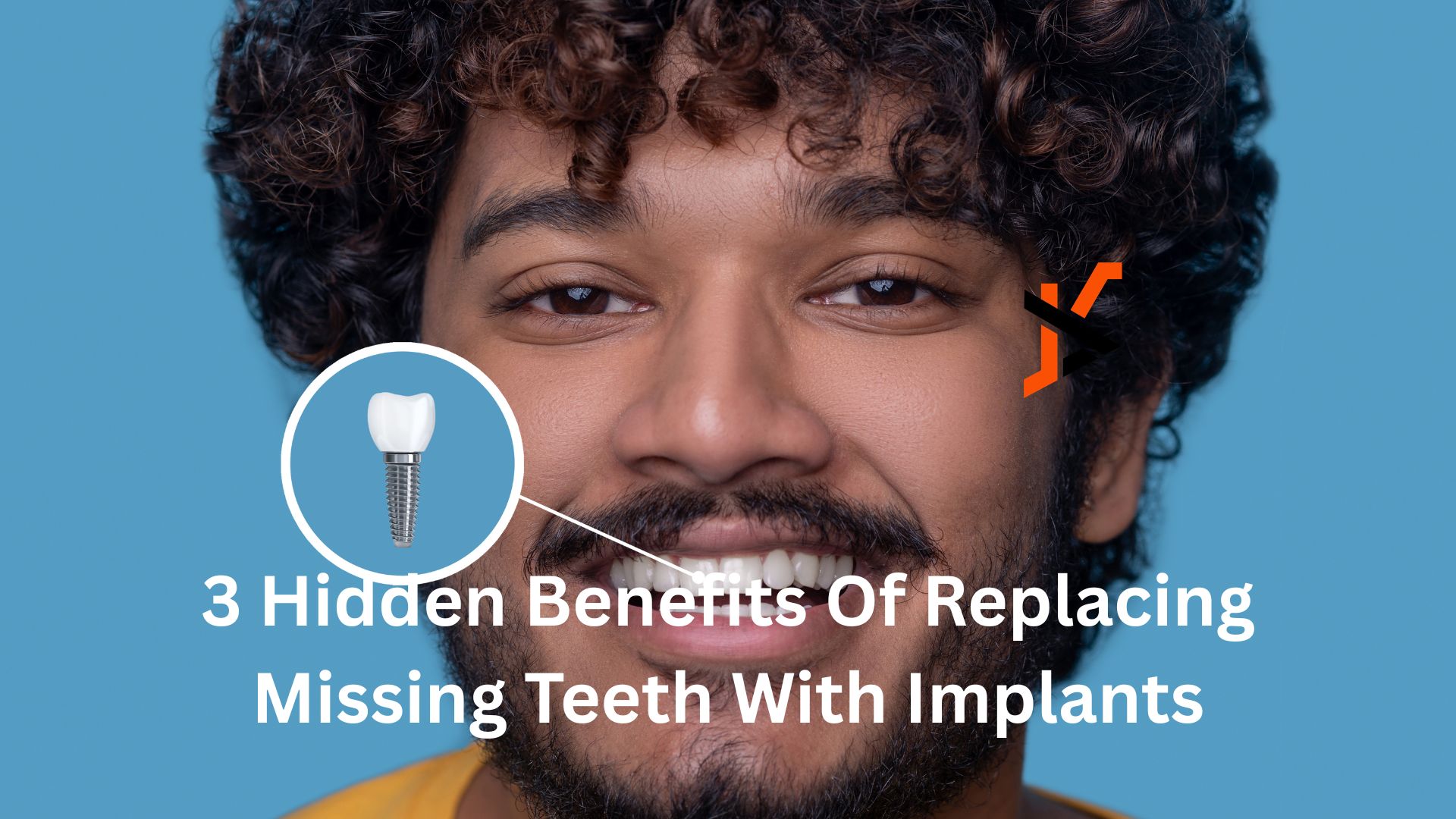
Missing teeth do more than leave a gap in your smile. They change how you eat, speak, and feel about yourself. Many people focus only on looks. They miss the quiet damage that empty spaces cause in the mouth and body. Dental implants stop that damage and give you steady strength each day. They protect your jaw, your bite, and your confidence. This blog will share three hidden benefits of replacing missing teeth with implants that you may not expect. You will see how implants support your long-term health, not just your smile. You will also learn when to talk with a dentist in Great Falls about your own teeth. If you have been putting off treatment, this clear information can help you choose your next step with less fear and more control.
Hidden Benefit 1: Protection For Your Jawbone
A missing tooth does not just affect the gums. It affects the bone under the gums. When a tooth is gone, the jawbone in that spot no longer gets pressure from chewing. Over time, the bone shrinks. This loss can change your facial shape and weaken nearby teeth.
A dental implant acts like a real tooth root. It sits in the bone and carries chewing force into the jaw. That simple action tells the body to keep the bone strong. The result is less bone loss over time.
According to the National Institute of Dental and Craniofacial Research, many adults lose teeth as they age. Tooth loss is common. Yet bone loss after tooth loss often goes unseen until it becomes severe. You protect yourself when you replace missing teeth early.
With a steady implant in place, you can:
- Keep the shape of your jaw and cheeks
- Lower the risk that nearby teeth loosen
- Support future treatment if you ever need it
Hidden Benefit 2: Stronger Everyday Nutrition
Missing teeth limit what you eat. You may start to avoid firm fruits, raw vegetables, nuts, and meats. Soft food feels safer. Over time, this can weaken your body.
Dental implants let you chew on both sides again. You can break food down well before you swallow. That helps your stomach and intestines work with less strain. You get more fuel from every bite.
The Centers for Disease Control and Prevention explains that a diet rich in fruits, vegetables, whole grains, and lean proteins supports heart health, blood sugar control, and body weight. You cannot follow that advice if you cannot chew much of that food.
With implants, you can return many foods to your plate. You can:
- Eat a wider range of textures
- Cut less food into tiny pieces
- Spend less time worrying about pain or slipping teeth
That change does more than help your mouth. It supports your whole body.
Hidden Benefit 3: Quieter Relief For Your Mind
Tooth loss often hurts in private. You may cover your mouth when you laugh. You may avoid photos. You may speak less in groups. Over time, this can raise your stress and lower your sense of control.
Dental implants give steady support. They do not move when you talk, laugh, or eat. That steadiness can ease daily tension. You think less about your teeth and more about the people in front of you.
Many people share three common changes after implants:
- They stop worrying that teeth will slip during meals
- They join social events they once skipped
- They feel more willing to smile in public
This quiet mental relief matters. It can improve sleep, social ties, and work life.
How Implants Compare To Bridges And Dentures
Implants are not the only way to replace missing teeth. Bridges and dentures also help. Each choice has strengths. Still, implants often give better long-term support for bone health, chewing, and comfort.
| Feature | Dental Implants | Fixed Bridge | Removable Denture |
|---|---|---|---|
| Replaces tooth root in jaw | Yes | No | No |
| Helps protect jawbone volume | Yes | Limited | No |
| Affects nearby healthy teeth | No | Often needs teeth filed | No |
| Chewing strength | High | Medium | Lower |
| Risk of slipping while talking | Low | Low | Higher |
| Helps with wide food choices | Yes | Often | Sometimes |
| Average life span with care | Long term | Several years | Several years |
What To Expect When You Ask About Implants
You do not need to decide alone. A dentist will review your mouth and health history. You can ask clear questions and take time to choose.
In a first visit, you can expect three simple steps.
- Talk about your goals and what bothers you most today
- Get an exam and images of your teeth and jaw
- Review options, costs, and timing in plain language
You can bring a list of medicines and any past health issues. You can also bring a family member for support. Clear facts and steady support make the choice less heavy.
Taking Your Next Step
Missing teeth affects much more than your smile. They touch your bone, your food, and your peace of mind. Dental implants can guard your jaw, strengthen your plate, and quiet daily worry.
If you see gaps in your mouth or struggle with loose teeth or dentures, you have options. You can start by writing down your main concerns. You can then schedule a talk with a trusted dental office or a dentist in Great Falls to see if implants fit your health and budget.
Your mouth is part of your whole body. When you protect it, you protect your daily life.
