

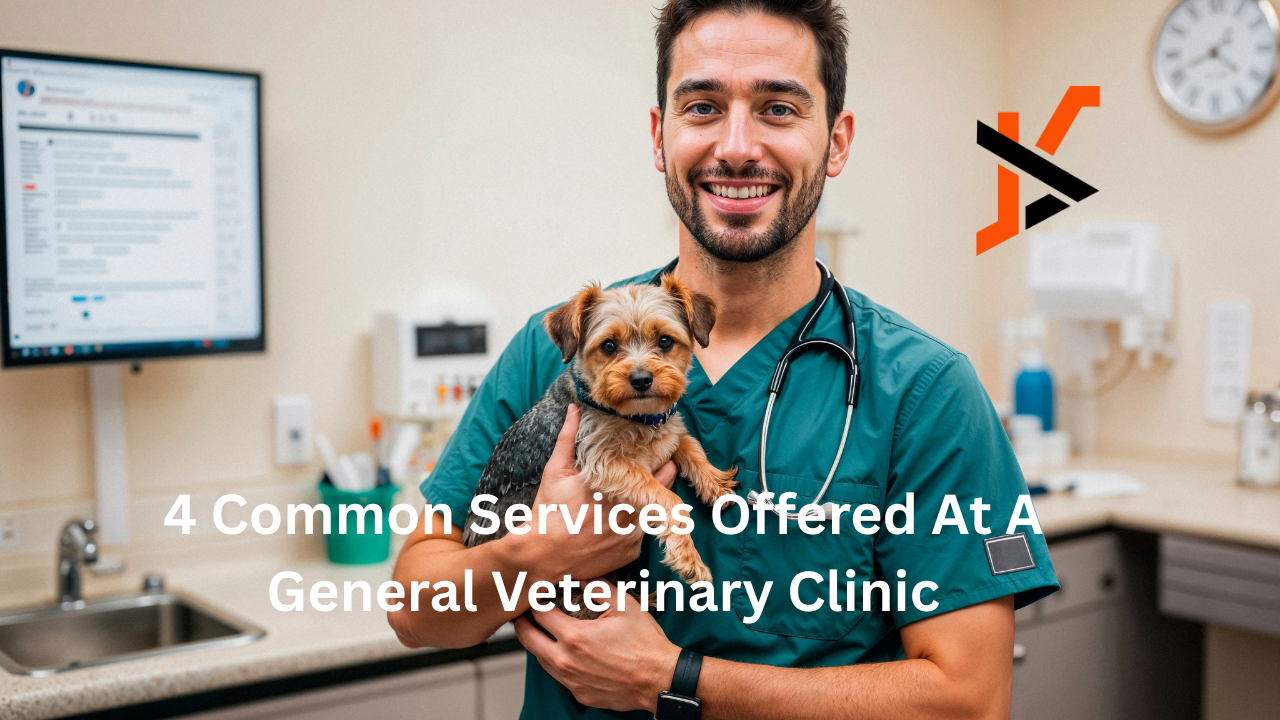
When your animal is sick or hurt, you want clear help fast. A general veterinary clinic gives you that help. It offers basic services that keep your animal safe, steady, and as comfortable as possible. You see this when you visit a vet in Los Altos or any other town. You might come in for vaccines, a sudden cough, a teeth check, or advice about food and weight. Each visit matters. Each test or exam can catch problems early and spare your animal from long pain. You also get honest answers to hard questions about cost, options, and what comes next. This blog explains four common services you can expect at a general clinic. It shows how each one protects your animal and supports you as a caregiver. You deserve clear facts, not guesswork. Your animal deserves steady care, not delays.
1. Routine exams and preventive care
Routine checkups form the base of your animal’s health. You bring your animal in when nothing seems wrong. The aim is to make sure it stays that way.
During a routine visit, the team usually:
- Checks weight, heart, lungs, eyes, ears, and skin
- Reviews vaccines and parasite control
- Talks with you about food, behavior, and daily habits
Regular exams help catch problems at an early stage. A slow weight change, a heart murmur, or a lump can show up long before you see clear signs at home. Early care often costs less and protects your animal from long stress.
You can read more about the value of routine care from the Centers for Disease Control and Prevention, which explains how pet health also protects your family’s health.
2. Vaccines and parasite control
Vaccines and parasite control shield your animal from common sickness. Many of these sicknesses spread fast and can cause lasting harm or death.
Most general veterinary clinics offer:
- Core vaccines such as rabies and distemper for dogs and cats
- Noncore vaccines based on lifestyle such as boarding or outdoor play
- Flea and tick prevention
- Testing and preventive care for heartworm in dogs, and occasionally cats
- Deworming for common intestinal worms
The American Veterinary Medical Association explains how vaccines lower risk for both animals and people. You and your veterinarian can plan a schedule that fits age, health, and daily life.
3. Dental care and oral health
Mouth health affects the whole body. Many animals live with hidden mouth pain. They still eat and play, so you may not notice the problem.
General clinics often provide:
- Oral exams during routine visits
- Professional dental cleaning under anesthesia
- Dental X rays to check roots and bone
- Tooth removal when needed
- Guidance on brushing and at home care
Gum disease can lead to tooth loss and can strain the heart, liver, and kidneys. Regular cleanings and home care keep your animal more comfortable and may extend life.
4. Basic diagnostics and treatment
When your animal is sick, you want answers. Many general clinics have tools on site that give quick clues and a clear plan.
Common diagnostic services include:
- Blood tests to check organs, blood cells, and infection
- Urine tests to check kidneys, bladder, and sugar levels
- Fecal tests for worms and other parasites
- X rays to look at bones, chest, or belly
- Basic ultrasound in some clinics
With these results, your veterinarian can treat common problems in the clinic. Conditions such as ear infections, skin issues, minor wounds, tummy upset, and simple eye problems often respond well to early care.
Comparison of common services and visit timing
You can use the table below as a simple guide for how often many animals need each common service. Always adjust based on your veterinarian’s advice and your animal’s needs.
| Service | Typical frequency | Main goal | What you can watch for at home |
|---|---|---|---|
| Routine exam | Once a year for healthy adults. Twice a year for seniors or animals with chronic disease | Catch early changes in weight, heart, joints, and behavior | Shifts in energy, appetite, water intake, or weight |
| Vaccines | Every 1 to 3 years after the first series, based on vaccine type | Lower risk of serious and often deadly infections | Coughing, fever, runny eyes or nose, or sudden weakness |
| Parasite control | Monthly for many products. Sometimes every 3 months | Prevent worms, fleas, ticks, and heartworm | Scratching, hair loss, visible fleas or ticks, changes in stool |
| Dental cleaning | Every 1 to 3 years, depending on breed, age, and tartar buildup | Remove plaque and tartar and treat gum disease | Bad breath, drooling, trouble chewing, pawing at the mouth |
| Blood and urine tests | Yearly for adults. Every 6 months for seniors or animals on long term medicine | Check organ function and track long term conditions | Increased thirst, urination, or sudden weight loss or gain |
How to prepare for a clinic visit
Good preparation helps you and your veterinarian use time well and protect your animal from more stress.
Before your visit, you can:
- Write down questions and concerns
- List all food, treats, and medicines your animal gets
- Bring past records if you have used more than one clinic
- Use a carrier or secure leash for safe travel
During the visit, you can:
- Share clear, honest details about what you see at home
- Ask for plain language, step by step plans, and cost ranges
- Repeat key instructions to be sure you understand
When to seek care right away
Some signs mean you should call a clinic or emergency service at once. Do not wait for a routine visit if you see:
- Struggling to breathe
- Repeated vomiting or diarrhea
- Seizures or sudden collapse
- Bleeding that does not stop
- Inability to stand, walk, or urinate
- Swollen belly with restlessness or pain
Trust your concern. If something feels wrong, contact a clinic and ask. Fast care often protects your animal from deeper harm.
Closing thoughts
A general veterinary clinic gives you a strong base for your animal’s health. Routine exams, vaccines and parasite control, dental care, and basic diagnostics work together. They lower risk, ease pain, and help your animal stay active and calm.
You do not need to know every medical term. You only need to speak up, ask questions, and keep a steady schedule of visits. With that, you and your veterinarian can share clear goals. Your animal gains comfort. You gain peace of mind.
