

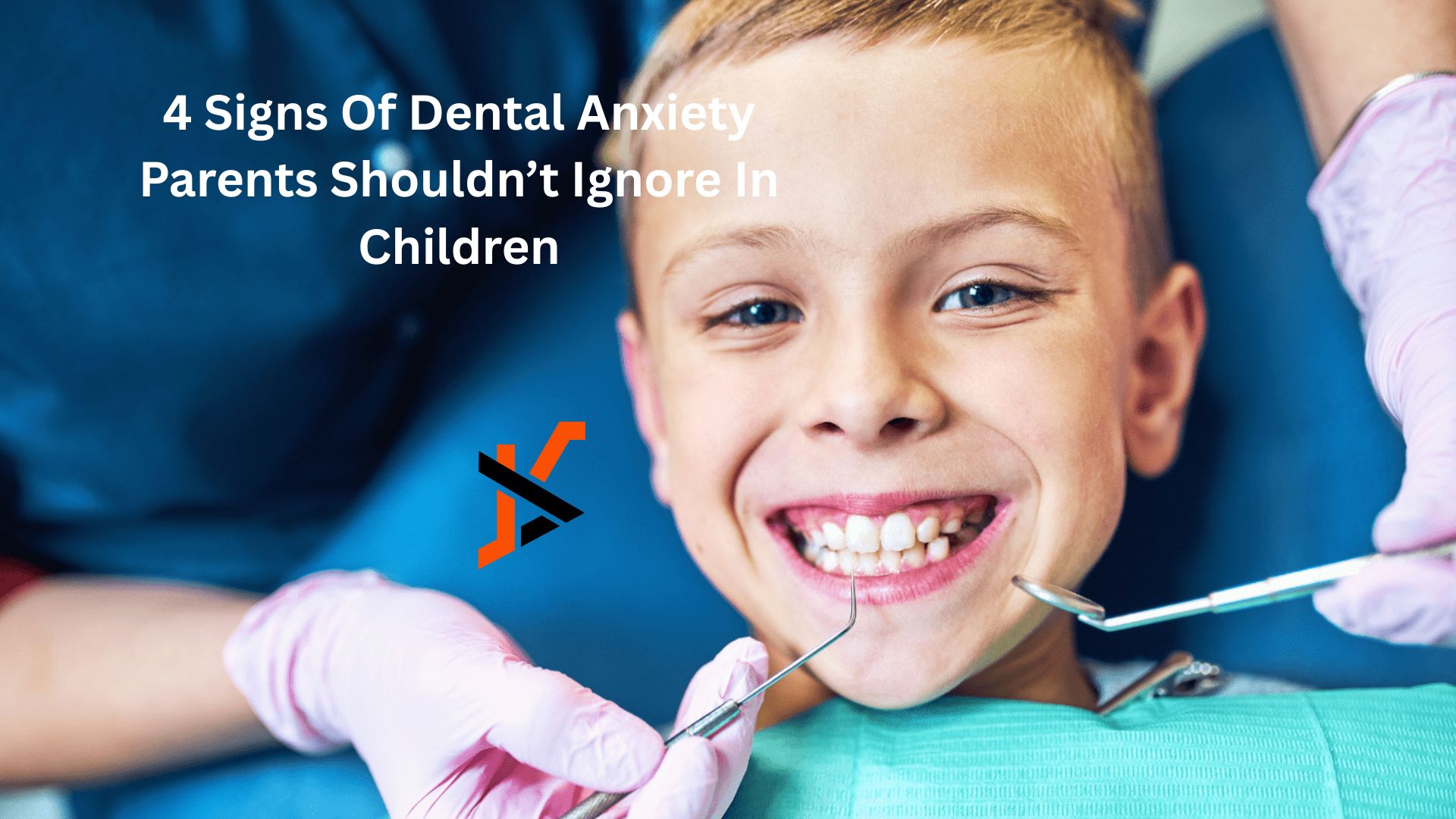
Understanding and Managing Dental Anxiety in Children
Dental anxiety in kids is more widespread than many parents realize—and catching it early can significantly improve a child’s experience with oral care. From unfamiliar sounds to fear of the unknown, various factors can trigger stress around dental visits. You might notice subtle signs: your child avoids talking about dental care, resists brushing, or becomes visibly distressed before appointments. In more severe cases, they may cry or cling to you during visits.
If these behaviors sound familiar, it’s important to take action. Pediatric-friendly dentists in downtown Vancouver are experienced in helping children feel safe and comfortable in the dental chair. Their compassionate approach helps ease anxiety, building trust with both kids and parents. Addressing dental fears early doesn’t just improve current experiences—it helps your child develop a positive relationship with dental care for life.
1. Avoidance of Dental Conversations
A common sign of anxiety is when children shy away from discussions about their teeth or upcoming appointments. They may change the subject, become quiet, or appear uninterested. This avoidance often leads to poor dental habits. To counter this, gently start conversations about dental care. Ask your child how they feel about the dentist. The more you understand their concerns, the better equipped you’ll be to support them. Resources like the CDC’s oral health section can offer helpful conversation starters and advice.
2. Reluctance to Brush or Floss
Fear of dental issues can even make daily brushing feel overwhelming. Kids may complain of discomfort or simply refuse to brush, using excuses like sore teeth or gums. This reaction isn’t just frustrating—it also puts their oral health at risk. To help, turn brushing into a positive experience. Brush together, sing songs, or use a timer to make it fun. Let your child pick a toothbrush featuring a character they love. These small changes can make a big difference in building confidence and reducing fear.
3. Clinginess at Appointments
Physical signs of anxiety often show up at the dentist’s office. Your child may hold your hand tightly or refuse to let go when it’s time to sit in the chair. This behavior often signals a need for reassurance in a setting that feels intimidating. Getting your child ready in advance can make a big difference. Walk them through what to expect at the visit. Many pediatric dental websites, including those supported by the American Academy of Pediatric Dentistry, provide kid-friendly explanations and videos that help demystify the experience.
4. Emotional Reactions and Outbursts
Tantrums, crying, or meltdowns before dental visits are among the clearest signs of dental anxiety. These emotional responses are your child’s way of expressing fear or feeling out of control. Instead of dismissing these reactions, approach them with empathy. Validate their emotions and reassure them that feeling nervous is completely normal. Over time, consistent reassurance helps reduce fear and builds a sense of safety around dental care.
Recognizing the Signs and Their Impact
Understanding the early signs of dental anxiety helps prevent more serious oral health issues down the road. Here’s a quick overview of common symptoms and their possible effects:
| Behavior | Potential Impact |
|---|---|
| Avoiding dental topics | Poor oral hygiene habits |
| Refusal to brush teeth | Increased risk of tooth decay and gum issues |
| Clinging during appointments | Anxiety and distrust of the dental process |
| Emotional outbursts | Heightened stress around oral care |
How to Take Positive Action
The good news is that dental anxiety is manageable with the right approach. Here are a few steps to help your child feel more confident:
- Talk Openly: Create a safe space for your child to express fears. Listen without judgment.
- Make It Fun: Use role-playing, storybooks, or videos to introduce the idea of visiting the dentist.
- Create a Routine: Integrate oral hygiene into your daily schedule to build familiarity and reduce stress.
- Choose the Right Dentist: Seek out pediatric dental professionals who specialize in working with anxious children.
- Be Supportive: Attend appointments with your child, provide encouragement, and celebrate small wins.
If your child’s anxiety continues despite your efforts, consider speaking with a pediatric dentist who offers behavior guidance or anxiety-reducing techniques. In some cases, child psychologists can also help with overcoming deeper fears.
A Confident Smile Starts with Support
Your role as a parent or caregiver is vital in helping your child overcome dental anxiety. By recognizing the signs and responding with understanding, you’re laying the foundation for a lifetime of healthy, stress-free dental visits. With your encouragement and the help of experienced dental professionals, your child can transform fear into confidence—one visit at a time.
