

In a digital-first work environment, especially with the rise of hybrid and remote setups, employee monitoring software has become more than just a luxury—it’s a necessity. Whether you’re looking to boost team productivity, protect sensitive data, or optimize work processes, employee monitoring tools offer a broad spectrum of benefits.
However, like any technological advancement, it brings both rewards and responsibilities. While the benefits can be game-changing, the potential concerns—if not addressed proactively—can lead to mistrust and disruption.
So, before you roll out monitoring tools across your organization, let’s unpack six major impacts of employee monitoring software—and how your team can best prepare for them.
1. Productivity Gets a Major Boost
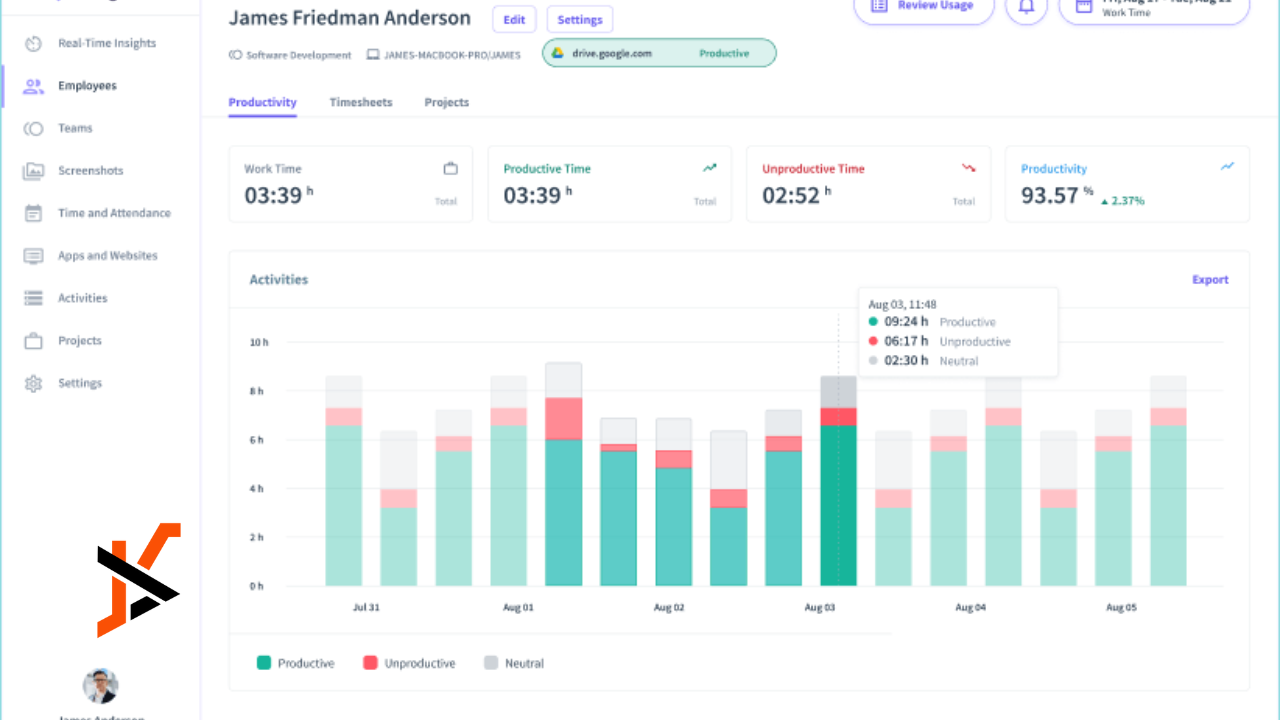
One of the most widely recognized benefits of employee monitoring software is its ability to significantly increase productivity. These tools track work hours, monitor apps used, websites visited, and even time spent on various tasks. Some even offer screen capture features or webcam snapshots to verify engagement levels.
By knowing that their activity is being tracked, employees tend to stay more focused and conscious of how they utilize their time. Without having to micromanage, managers can identify productivity trends, distractions, or unproductive behavior—and intervene accordingly.
In remote or hybrid environments, where supervision is limited, this kind of real-time visibility is crucial. It ensures teams are aligned with their responsibilities, leading to timely project deliveries and improved work outcomes.
Preparation Tip: Create a transparent productivity policy. Let your team know what is being monitored and why, so they view the software as a productivity ally—not a surveillance tool
2. It Can Trigger Distrust if Poorly Introduced
Let’s be honest—no one enjoys the feeling of being watched. One of the more controversial impacts of employee monitoring software is the possibility of creating distrust among team members. Some may perceive it as a sign that leadership doesn’t trust them, potentially affecting morale.
While legal frameworks often require businesses to inform employees of monitoring practices, emotional acceptance takes a little more work. Your best employees may feel slighted, believing their loyalty is under scrutiny.
But here’s the thing: Monitoring is not about targeting individuals. It’s about protecting data integrity, avoiding internal breaches, and ensuring accountability—across the board.
Preparation Tip: Communicate the intent clearly. Emphasize that the tool is not for personal evaluation but to ensure organizational security and prevent insider threats.
3. Healthier Manager-Employee Relationships
Believe it or not, employee monitoring software can actually help foster more honest and constructive workplace relationships. Without digital insights, managers often rely on assumptions or random check-ins to gauge performance. This can create awkward interactions or forced micromanagement.
With access to real-time metrics and productivity dashboards, managers can provide more objective feedback, based on actual data—not impressions. Conversations become clearer and fairer, and employees feel judged by outcomes, not opinions.
This transparency builds a culture where performance is measured consistently, and feedback is rooted in facts. As a result, trust in leadership can improve over time.
Preparation Tip: Use performance data for coaching and support—not punishment. Highlight wins as often as you discuss areas for improvement.
4. Clearer Job Expectations and Accountability
Over time, job roles can become blurry, especially when teams are multitasking or jumping between projects. Employees may lose sight of what their core responsibilities are. A tool that tracks time allocation and task completion can help restore clarity.
With employee monitoring software, it’s easier to establish expectations and monitor alignment without micromanaging. Managers can reference actual logs to initiate conversations about workload, bottlenecks, and workflow optimization.
When employees know their performance is being objectively tracked, it motivates them to meet expectations more consistently.
Preparation Tip: Regularly review and update job roles based on monitoring data. Let this serve as a foundation for one-on-one meetings, training, and role adjustments.
5. Performance Metrics Become Transparent
Data-driven performance reviews are the future—and employee monitoring software is the enabler. With features like task timers, idle time reports, and app usage breakdowns, managers gain precise insights into how work is being executed.
Rather than relying on subjective opinions, performance metrics can highlight:
- Task completion rates
- Estimated vs. actual project timelines
- Unproductive hours or distractions
- Time spent on business-critical apps or websites
- Email or messaging patterns (in some cases, keystroke tracking too)
This data is gold for both HR and project managers. It helps them set more realistic deadlines, rebalance workloads, and even identify high performers.
Preparation Tip: Incorporate these metrics into monthly reviews or goal-setting sessions. Use them to encourage autonomy and reward consistent output.
6. Enhanced Protection from Insider Threats
Insider threats are one of the most overlooked dangers to any business. Whether it’s accidental data leaks or malicious attempts to compromise company systems, the risk is real.
Employee monitoring software acts as a digital safeguard. Many tools now offer behavioral analytics to detect anomalies—like unusual file downloads, unauthorized access, or suspicious messaging. These red flags allow businesses to step in early and prevent larger breaches.
By continuously monitoring user activity, organizations gain a crucial layer of defense that protects intellectual property, client data, and company assets.
Preparation Tip: Educate your team on data security practices. Explain how monitoring helps detect both internal and external threats—emphasizing that it’s a protective measure, not a punitive one.
How to Smoothly Introduce Employee Monitoring Software
Adopting employee monitoring software doesn’t have to be a bumpy ride. If introduced with transparency, purpose, and proper communication, it can lead to improved efficiency, better communication, and stronger organizational trust.
Here’s how to prepare your team:
- Be transparent: Tell your employees upfront what you’re monitoring and how the data will be used.
- Set clear policies: Establish monitoring guidelines, privacy limitations, and data handling procedures.
- Emphasize the benefits: Show how the software can help both employees and management work more efficiently.
- Invite feedback: Let employees share concerns and questions before the tool is implemented.
- Reinforce with training: Educate managers on how to interpret and use data ethically and constructively.
Final Thoughts
Implementing employee monitoring software isn’t just a technical upgrade—it’s a strategic one. When handled with care, it improves productivity, strengthens security, and fosters a more accountable work culture.
The key is balance. Use monitoring tools not as a form of control, but as a means to support your employees, build transparency, and drive better results. When both business and team members are aligned, everyone wins.
