

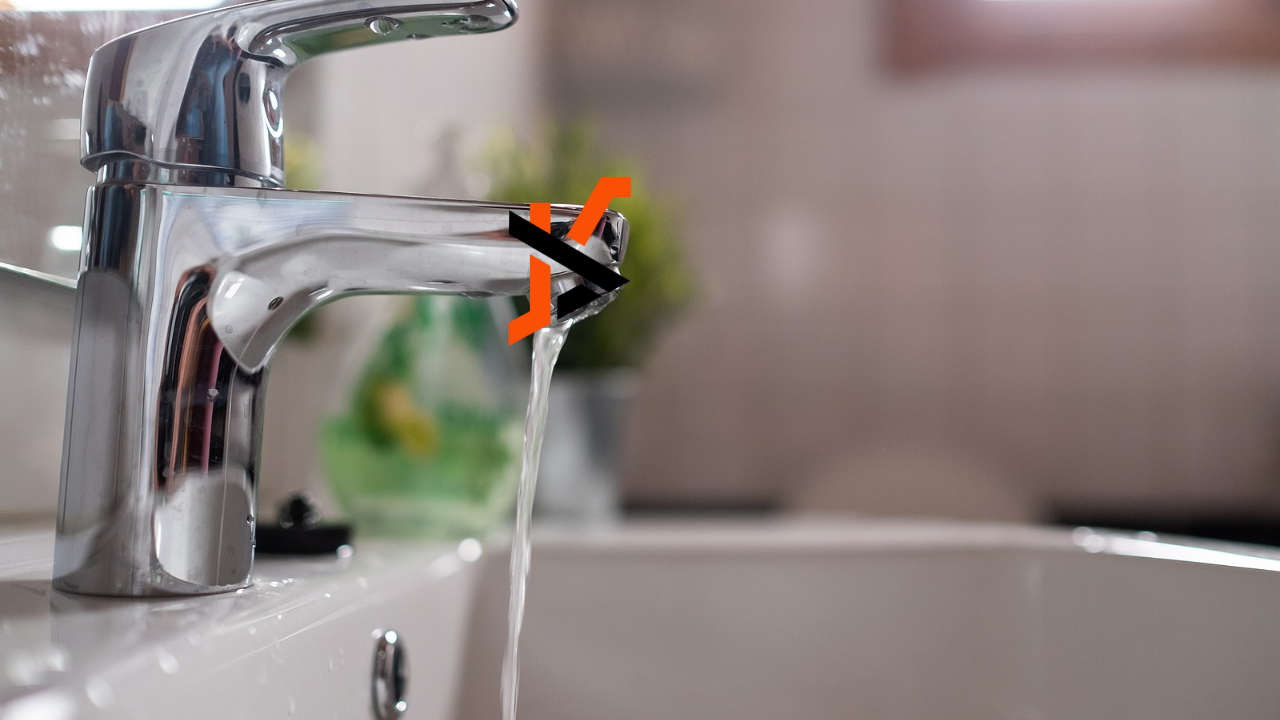
Specific faucets may deliver a weaker flow, disrupting tasks such as washing dishes or filling pots. This issue often arises from debris introduced during repairs, incorrect installations, or system adjustments that go unnoticed. Tackling low-flow faucet issues requires a methodical approach to pinpoint and resolve the underlying problem, restoring full functionality. In Ontario, where hard water and varying system demands are common, addressing these issues promptly ensures reliable water delivery and prevents further complications.
Steps to Diagnose and Correct Low-Flow
Restoring proper flow in faucets after repairs involves a series of targeted checks. These steps, rooted in post-repair faucet flow diagnostics, address the most likely causes of the issue. For persistent problems or complex systems, professional services like Superior Plumbing & Heating are recommended for reliable plumbing solutions who require plumbing repairs in the area. Their expertise in routine inspections and system upkeep ensures faucets operate efficiently in local conditions.
1. Checking the Aerator for Blockages
Because simple repairs can stir up minerals or debris, an aerator at your tap often catches it in its mesh. Unscrew the showerhead and have a look for mineral deposits often found in Ontario’s hard water. Leave the aerator in vinegar for 20–30 minutes, and then remove any debris with a small brush. Reinstall the flow and test it again. Should your aerator become cracked or worn, gather a replacement that matches the faucet’s flow rate.
2. Inspecting Water Supply Lines
After completing the repair, the supply lines to the faucet may develop kinks, lose a fitting, or have debris trapped in them, which can slow the flow. Inspect the hoses and copper tubing for any bends or issues. Ensure that all shut-off valves under the sink are fully open. Disconnect the aerator and let the water run for a few minutes to flush out any debris inside the lines. Ensure the water supply is dependable by repairing breaks and ensuring all connections are safe.
3. Examining the Faucet Cartridge
Today, for many modern faucets, cartridges or ceramic discs are used, and they can become out of alignment or break during repairs. Remove the faucet as the manufacturer suggests, then review the cartridge and look for problems such as dirt, tears, or improper placement. Gently remove any dust with a soft, damp cloth, then inspect for any cracks or missing or damaged sealant. If the cartridge is faulty, replace it with an exact replacement to ensure proper flow and prevent leaks.
4. Verifying System Pressure
Repairs to the water pipe may result in a total loss of pressure and affect some faucets. Use a pressure gauge at an outlet near you to check the system pressure and try to keep it between 40 and 60 psi in most houses. A partially jammed main valve or an improperly set pressure regulator can cause low pressure. Adjust the water valves fully or fix the regulator so that your faucets produce the proper amount of Pressure in Ontario buildings. These practical actions require the use of professional tools. Please consult a professional. These practical actions require the use of professional tools. Please consult a professional.
5. Investigating Pipe Blockages
Plumbing work, such as cutting or soldering pipes, can introduce debris like scale or flux into the system, clogging pipes or fittings. Disconnect the faucet’s supply line and flush it into a bucket to clear obstructions. If flow remains weak, use a plumber’s snake to probe upstream pipes for blockages. Clearing these ensures unobstructed water flow, addressing issues often encountered after recent repairs.
6. Reviewing Installation Accuracy
Incorrect installations, such as mismatched pipe sizes or improperly seated fittings, can restrict flow. Confirm that new pipes or connectors align with the system’s requirements (e.g., ½-inch for most residential faucets). Check for overtightened fittings that may compress washers, reducing flow. If installation errors are found, realign or replace components to match manufacturer specifications, ensuring optimal performance.
Practices to Prevent Future Flow Issues
To maintain consistent faucet performance after repairs, adopt these routines:
- Clean Aerators Regularly: Disassemble and clean aerators every 3–6 months to remove sediment, especially in areas with hard water conditions.
- Flush Lines After Work: Run water through the supply lines after repair to clear debris before reconnecting faucets.
- Monitor Pressure Periodically: Test system pressure quarterly to detect valve or regulator issues early.
- Use Compatible Components: Install manufacturer-specified parts to prevent flow restrictions caused by mismatched fittings.
Benefits of Resolving Low-Flow
Addressing reduced faucet flow post-repair offers several advantages:
- Enhanced Usability: Restored flow enhances efficiency for household tasks such as cleaning or cooking.
- Water Conservation: Proper flow reduces waste, lowering utility costs in homes.
- System Protection: Clearing blockages prevent strain on pipes and fixtures, extending their lifespan.
- Cost Avoidance: Early fixes prevent larger issues, reducing the need for extensive repairs.
Closing Thoughts
Low flow in faucets after repairs often results from clogged aerators, obstructed supply lines, faulty cartridges, low Pressure, pipe blockages, or installation errors. A systematic approach to diagnosing and correcting these issues restores full functionality. Regular system care prevents recurring problems. For complex diagnostics or professional-grade repairs, Superior Plumbing & Heating provides expert services, ensuring plumbing systems remain reliable. Prioritizing these checks delivers consistent water flow and a durable system for households. We are not responsible for the consequences of DIY repairs. Always consult a professional.
