

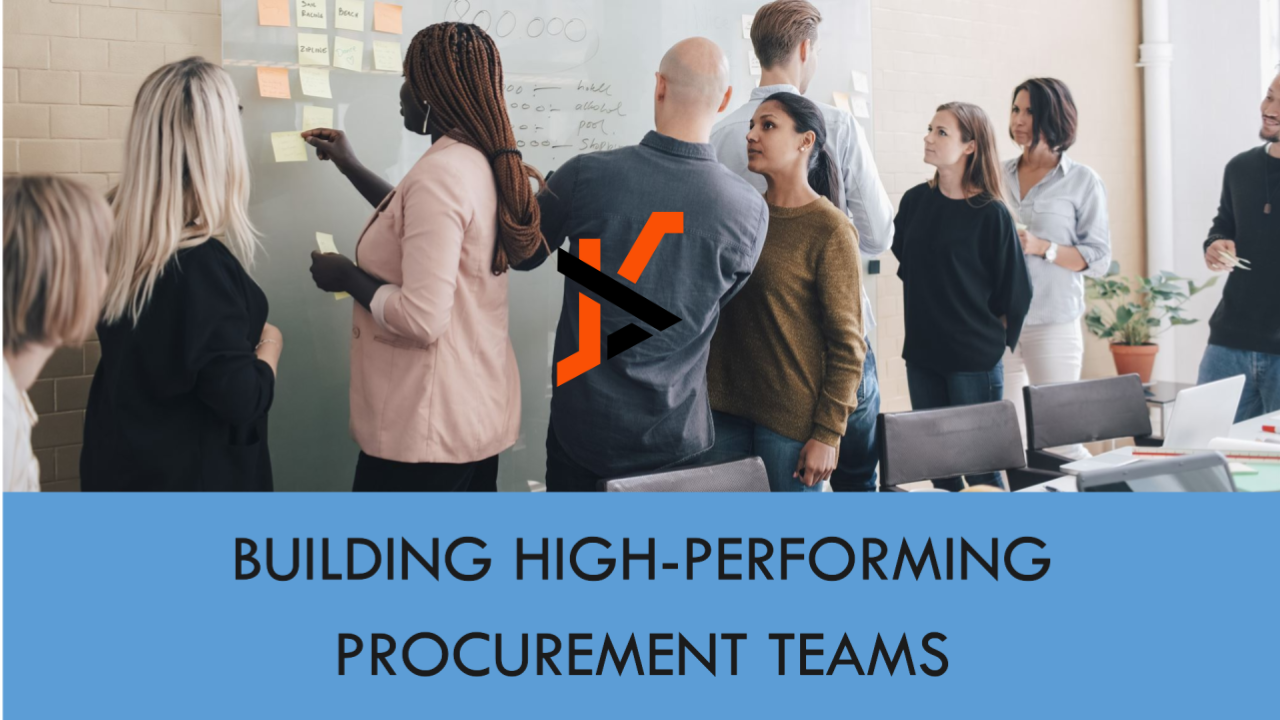
Modern supply chains run on a relentless clock, and every tick raises the bar for the professionals behind them. Strategic sourcing now influences gross margin, shapes risk profiles, boosts ESG credibility, and even accelerates product launches. Achieving that range of results hinges less on feature lists and more on the talent guiding the technology. The sections that follow unpack the skills, structures, and everyday habits that help an ordinary purchasing group evolve into a high-performing procurement team.
Digital platforms are indispensable, yet software never wins a price concession or convinces a stakeholder to try recycled material. Such strategic wins are the hallmark of robust procurement category management, belonging to category leads who speak both engineering and commercial dialects, analysts who turn millions of line items into clear stories, and supplier-development managers who transform vendors into innovation partners. The next pages explain how larger and mid-market organisations attract, grow, and measure this talent while steering clear of common traps such as siloed hiring or over-reliance on “the way things have always been done.”
Core Competencies of a High-Performing Procurement Team
Strategic Sourcing & Category Expertise
Exceptional sourcing professionals blend deep commodity knowledge with big-picture economics. They track should-cost curves, benchmark supplier finances, and weigh total cost of ownership over multi-year horizons. A standout category lead also speaks the language of R&D or marketing, translating technical requirements into commercially viable negotiations. Routine horizon scans, which include covering new entrants, tariffs, and geopolitical headlines, keep strategies from going stale. When cobalt prices surge or a key port shuts down, these experts draw on dual-source frameworks and agile contracts to protect margins and delivery schedules.
Data Analytics & Digital Fluency
Spend cubes, risk heat maps, and contract dashboards only gain value in the hands of fluent analysts. These specialists query databases, build Python prototypes, and visualise trends in BI suites, but the craft goes beyond tooling. They know how to spot bad data, interpret statistical noise, and frame insights for leadership. Their dashboards identify where leakages sap negotiated savings and where lead-time variability strains working capital. Well-crafted narratives grounded in solid analytics let decision-makers pivot quickly without wading through raw spreadsheets.
Supplier Relationship & Risk Management
Today’s supplier-development managers resemble diplomats as much as buyers. They co-author joint business plans, design data-rich scorecards for quarterly reviews, and ensure corrective-action programs stick. The work extends downstream: mapping sub-tier suppliers, tracking financial health flashes, and keeping contingency plans ready. In choppy markets, these managers secure buffer capacity or arrange pre-buys ahead of price hikes, keeping factories running and customers happy. Trust built over the years pays off in allocation preference when materials run tight or in shared R&D when a new product demands collaboration.
Negotiation & Stakeholder Influence
Perfect data still relies on persuasive storytelling. High performers craft negotiation playbooks that juggle cost, risk, and innovation levers, then pitch strategies that win executive backing. Inside the organisation, they balance procurement targets with engineering timelines and marketing launch dates. With suppliers, they move beyond unit-price wrangling toward creating shared value. Mastery of remote-negotiation tools, cultural nuance, and concise storytelling ensures agreements hold up long after the ink dries.
Role Architecture: Getting the Right People in the Right Seats
Global Category Lead vs. Regional Buyer
Global category leads look at the broad canvas – unit harmonisation, multi-region leverage, and long-term supplier innovation roadmaps. Regional buyers localise these strategies, navigating import duties, smaller order sizes, or last-mile logistics quirks. Clear hand-offs keep responsibilities crisp: global teams chase scale and innovation, regional teams guard delivery precision, and local compliance.
Procurement Data Analyst vs. Business Analyst
Procurement data analysts live in code and data models, predicting price movements and exposing maverick spend. Business analysts convert those findings into financial narratives that resonate with the C-suite. One builds the engine; the other drives adoption. Together, they ensure insights translate into action, not just another dashboard.
Supplier-Development Manager vs. Expediter
Supplier-development managers tackle systemic improvements, for instance, joint cost-outs, quality dives, and sustainability goals. Expediters fight the daily fires, chasing late shipments and reconciling freight paperwork. Collaboration between the two keeps both strategy and execution on track.
Sourcing & Developing Procurement Talent
Workforce Planning Linked to Digital Roadmaps
Talent plans should mirror the tech calendar. If AI-driven sourcing bots or risk dashboards launch next quarter, data scientists and risk owners need onboarding today, giving them time to influence configuration rather than inherit fixed settings.
Lateral Hiring and Graduate Pipelines for Analytics Skills
Strong quantitative skills often sit outside procurement’s traditional talent pool. Forward-thinking teams recruit from finance, engineering, and data-science streams, pairing newcomers with battle-tested negotiators. Structured graduate rotations through sourcing, logistics, and finance turn early-career hires into well-rounded professionals.
Rotational Programs and Cross-Functional Shadowing
Plant floor walk-throughs reveal how a missing bolt halts an entire line; shadowing finance clarifies the cost of bloated inventory; sitting with customer service illustrates the impact of back-orders. These experiences sharpen judgment when trade-offs arise at the negotiation table.
Leveraging Gig-Economy Specialists for Surge Projects
Major RFPs or crisis events often outstrip bandwidth. Short-term specialists, including negotiation coaches, market-intelligence gurus, and sustainability auditors, can fill gaps. Clear scopes and structured knowledge hand-offs prevent dependencies and leave the core team stronger.
Technology that Amplifies Human Capability
Source-to-Contract Suites and AI Spend Analytics
Integrated suites place RFX events, contracts, and supplier performance in one workspace. Embedded algorithms categorise spend, spotlight off-contract buys, and suggest savings levers. By automating grunt work, with procurement tracking software, technology frees talent to focus on strategy and supplier relationships.
Low-Code Workflow Builders for Rapid Process Tweaks
Regulations shift, and approval layers must respond. Low-code builders let non-technical staff drag-and-drop new steps or documentation requirements, keeping compliance tight without long IT queues.
Collaboration Hubs Connecting Stakeholders and Suppliers
Shared digital workspaces host spec changes, payment milestones, and live chat. Suppliers upload innovation proposals; engineers post drawings; finance signs off on milestone payments. Transparency cuts email chains and resolves misunderstandings before they slow the project.
Measuring Team Effectiveness: KPIs & Benchmarks
| KPI | Enterprise Target | Mid-Market Target |
| Savings per FTE | ≥ 8× salary | ≥ 5× salary |
| Analyst-to-Buyer Ratio | 1 : 3 | 1: 4 |
| Digital-Tool Adoption | ≥ 85 % of users | ≥ 75 % of users |
| Training Hours per Person | 40+ | 25+ |
Quarterly KPI reviews highlight capacity gaps and validate training or tech investments, keeping goals aligned with company strategy.
FAQ
What are the top skills for procurement specialists in 2025?
Data analytics, ESG literacy, and digital-negotiation fluency lead the list.
How can mid-market firms compete for top talent?
Offer rotating roles, remote flexibility, and sponsored certifications rather than solely higher salaries.
What is the ideal ROI on professional-development spending?
Benchmarks suggest every training dollar returns six to nine dollars in incremental savings and risk reduction.
How are digital tools connected to KPIs?
Teams with over 80 % active-user rates deliver roughly double the savings per head versus low-adoption peers.
What is the optimal mix of roles?
Enterprises thrive at a 3:1 ratio of category leads to analysts; mid-markets often start at 4:1 and adjust as spend visibility grows.
Word count – 1224
Characters – 8986
