

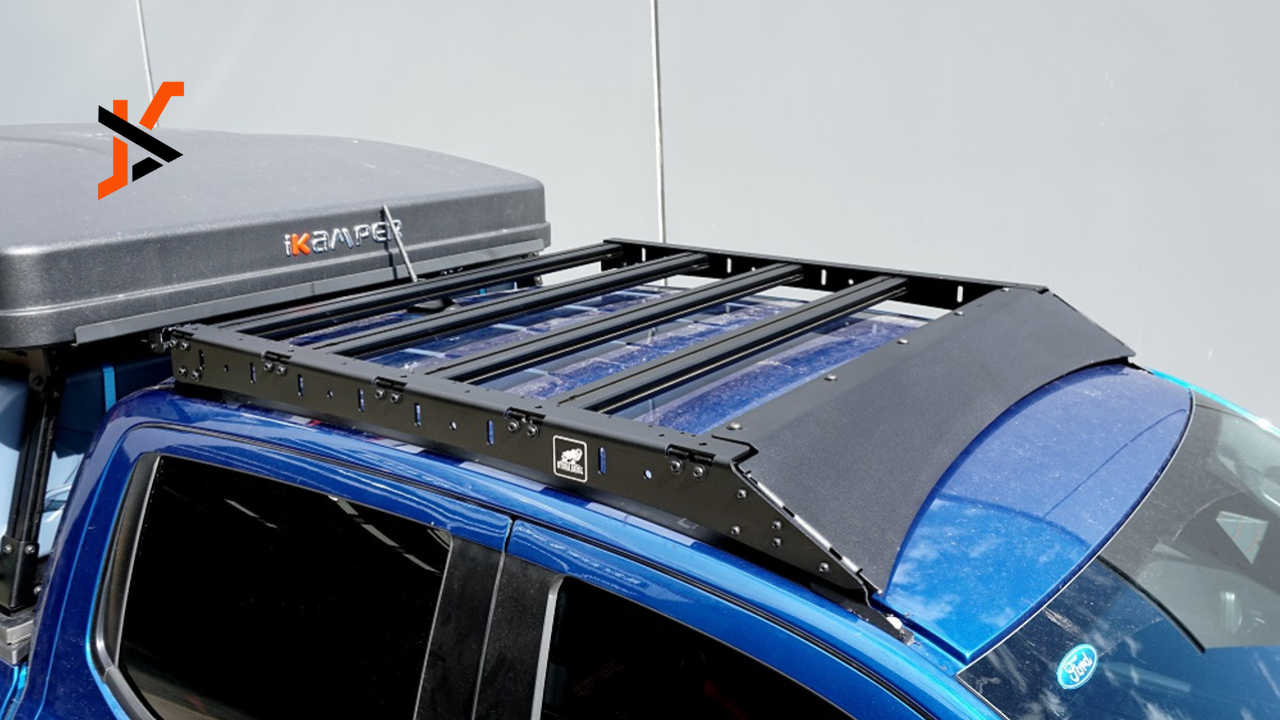
A Better Ford Ranger Roof Rack Can Transform Your Truck
Upgrading your Ford Ranger with a premium roof rack isn’t just a small tweak—it’s a game changer. It opens up more storage space, extends the usable cavity length for hauling gear, and gives your truck a tougher, more adventurous aesthetic. Whether you’re heading off for a camping trip, transporting surfboards, carrying bikes, or simply need extra room for tools and equipment, the right roof rack unlocks new levels of versatility. No more cluttering up the cabin or filling the bed to the brim. A well-chosen rack makes every journey smoother and far better organized.
But before diving into an upgrade, there are a few crucial things you need to know. Roof racks vary greatly in design, purpose, and quality. Go with the wrong one, and you could waste money, struggle with poor fitment, or even risk damaging your vehicle.
This guide will break down everything you need to think about before fitting a new roof rack on your Ford Ranger roof racks.
1. Know Your Ford Ranger Roof Rack Options
Your first step? Identify what kind of roof your Ranger has and understand the rack systems available. Not all Ford Rangers come with the same roof setup—some have factory rails, while others are bare-roofed. This determines the mounting style you’ll need.
Racks come in a range of profiles and designs:
- Low-profile racks hug the roofline for a cleaner look and reduced wind drag.
- High-clearance systems allow for bigger items like rooftop tents, kayaks, or even motorcycles.
Attachment methods vary too. Some racks clamp onto the door frames, others bolt directly into factory mounting points, and certain styles lock into existing gutters or side rails. If your Ranger already has rails, it simplifies installation.
Getting the right fit is critical—it ensures stability, prevents vibrations or leaks, and gives you peace of mind on the highway or off-road.
2. Pay Attention to Weight Ratings and Load Limits
Next, think about how much weight your roof rack—and your Ranger’s roof—can safely handle. Every rack has a specified load rating, and exceeding it can strain the rack’s structure, throw off your truck’s balance, and even lead to dangerous situations.
Also factor in your Ford Ranger’s maximum roof load capacity, which includes both the rack itself and whatever cargo you’re hauling. To calculate how much gear you can safely carry:
- Check your vehicle’s roof load limit (found in the owner’s manual).
- Subtract the rack’s weight.
- The remainder is your allowable cargo weight.
Sticking within these limits preserves your Ranger’s suspension performance, handling, and safety.
3. Material Matters: Durability and Weather Resistance
The construction material of your roof rack greatly influences its longevity and usability. Most racks are built from aluminum, steel, or composite alloys:
- Aluminum: Lightweight, rust-resistant, and ideal for coastal or wet environments. Also easier on fuel economy thanks to lower weight.
- Steel: Offers exceptional strength for heavy loads but is heavier and requires protective coatings (like powder coating) to prevent corrosion.
- Alloys or composites: Often blend strength and weight savings.
Look for racks with anodized or powder-coated finishes. These treatments protect against scratches, UV exposure, and rust, extending the life of your investment.
4. Consider Installation and Everyday Use
Another key factor is ease of installation. Do you want a rack that’s quick and simple to mount, or are you comfortable with a more involved setup?
- Tool-free systems (also known as “plug-and-play”) are great for DIYers and require minimal effort.
- Permanent or semi-permanent racks may involve bolting, drilling, or using mounting brackets for a sturdier fit—ideal for heavy-duty use.
If you’re tackling the installation yourself, make sure you’ve got a flat, safe workspace. For complex setups or if you’re unsure, it’s worth hiring a professional installer.
5. Don’t Overlook Aerodynamics and Fuel Economy
Roof racks can affect your Ranger’s aerodynamics. A bulky or tall rack may increase wind resistance, leading to more noise and a slight dip in fuel efficiency—especially on highways.
For daily drivers, a low-profile, aerodynamic design is a smart choice. These racks reduce drag, keep wind noise to a minimum, and are less noticeable when not loaded with gear. If you plan on frequent long-distance trips, this consideration alone can save you money at the pump.
Final Word: Make the Right Call for Your Ranger
Upgrading your Ford Ranger with the right roof rack isn’t just about storage—it’s about boosting functionality, organization, and your truck’s adventure potential. From tackling rugged off-road trails to carrying extra gear for work or play, a properly chosen rack is an asset that pays for itself in convenience.
