

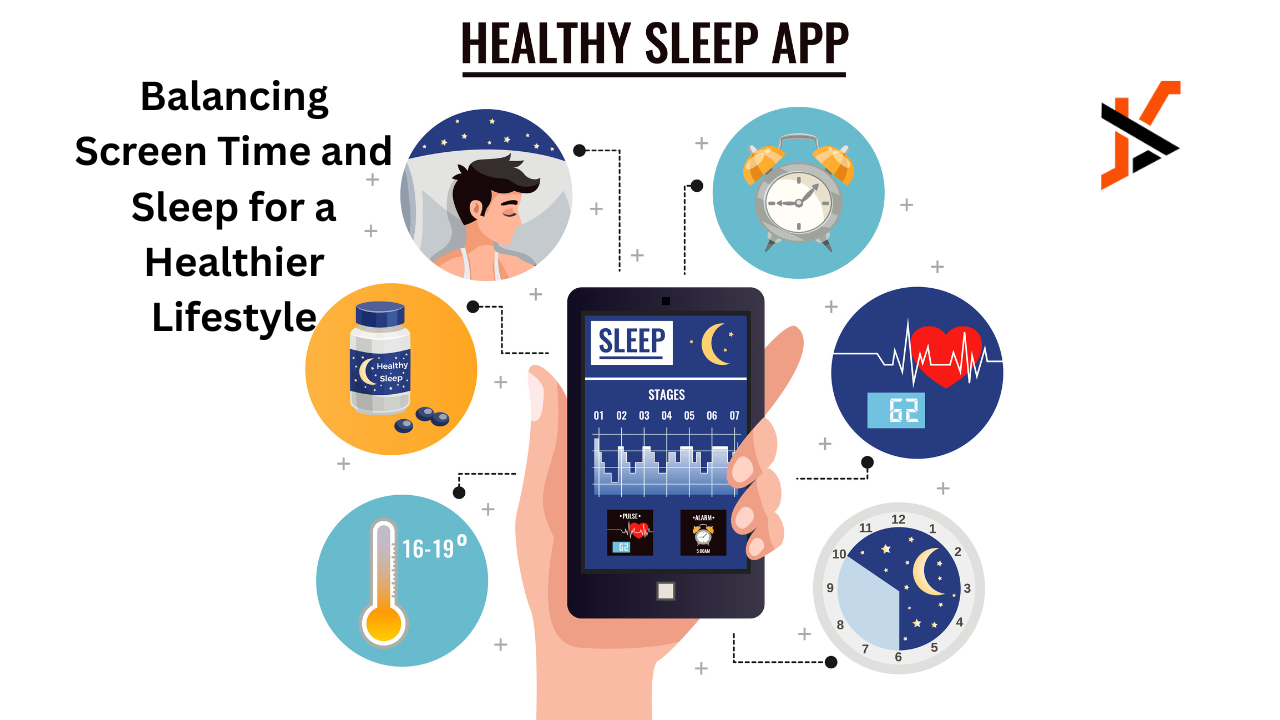
In today’s digital world, screens have become a constant companion. From smartphones and laptops to televisions and tablets, technology is woven into our work, leisure, and social connections.
While these devices offer convenience, excessive screen time—especially before bed—can significantly disrupt sleep quality and overall health.
And even with the best mattress supporting your body, poor bedtime habits with screens can still undermine your rest.
Striking the right balance between technology use, sleep-friendly routines, and a comfortable sleep environment is essential for a healthier, well-rounded lifestyle.
The Link Between Screen Time and Sleep
Screens emit blue light, which suppresses melatonin production—the hormone responsible for regulating sleep. When melatonin levels are disrupted, falling asleep becomes more difficult, leading to restless nights and daytime fatigue. Studies have shown that people who use devices late at night often experience:
- Difficulty falling asleep due to overstimulation.
- Reduced deep sleep cycles, which are vital for memory consolidation and healing.
- Daytime drowsiness, impacting productivity, mood, and focus.
Setting Healthy Boundaries with Technology
To improve sleep quality without completely eliminating technology, small yet powerful adjustments can help:
- Establish a digital curfew: Power down devices at least 1–2 hours before bedtime.
- Use blue-light filters: Many devices offer night mode features that reduce harmful light exposure.
- Create a bedtime ritual: Replace scrolling with calming activities like reading, journaling, or gentle stretches.
- Limit bedroom devices: Keep phones, tablets, and TVs outside the bedroom to strengthen the brain’s association of the space with rest.
The Role of the Right Sleep Environment
Even with reduced screen time, your sleep environment plays a critical role in determining rest quality. A supportive and comfortable mattress is one of the most overlooked but essential factors in achieving restorative sleep.
- Pressure relief: The right mattress helps ease stress on pressure points, reducing tossing and turning caused by discomfort.
- Spinal alignment: Proper support ensures your back and neck remain in a neutral position, preventing stiffness after sleep.
- Minimizing sleep disruptions: A high-quality mattress absorbs movement, so if you or your partner tend to shift during the night, it won’t disturb rest.
Pairing reduced nighttime screen exposure with a mattress that suits your body’s needs creates a foundation for deeper, uninterrupted sleep.
Balancing Lifestyle for Long-Term Wellness
The goal isn’t to abandon screens completely but to use them more mindfully. By setting limits, embracing technology tools designed to reduce blue light, and prioritizing a healthy sleep environment with the right mattress, you create a balance that nurtures both mental and physical health.
Quality sleep is not just about the number of hours you rest—it’s about the harmony between your habits, environment, and body. By balancing screen time and making your bedroom a sanctuary for rest, you pave the way for a healthier, more energized lifestyle.
