

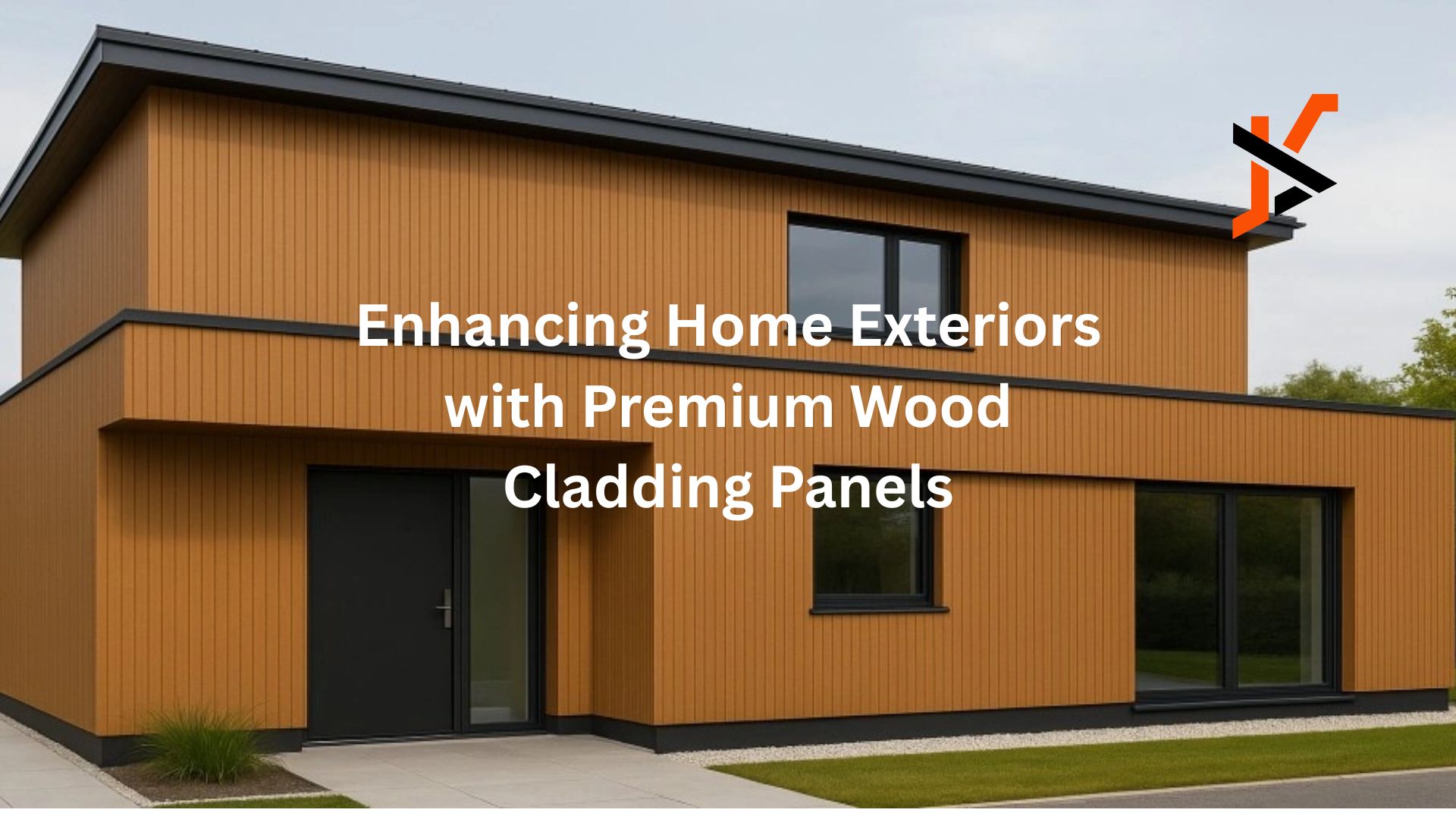
When considering building or renovating a home, the choice of exterior materials is paramount in determining both aesthetics and functionality. One increasingly popular option for exterior renovation is the use of wood cladding panels. Offering a blend of longevity, aesthetics, and environmental benefits, these panels are a versatile choice for modern architecture.
Benefits of Wood Cladding Panels
Wood cladding panels serve as a superior choice for those aiming to enhance their home’s external appearance without compromising on durability. These panels provide a natural, warm aesthetic that blends seamlessly with various architectural styles. Unlike other materials, wood offers a timeless appeal that can complement both contemporary and classic designs.
Thermal and Environmental Advantages
One of the key benefits associated with wood cladding panels is their thermal insulation properties. Wood acts as a natural insulator, reducing the reliance on artificial heating and cooling systems, thereby potentially lowering energy costs. Additionally, wood is a renewable resource, making these panels an environmentally conscientious choice that supports sustainable building practices.
Durability and Maintenance
Although wood requires a certain degree of maintenance to preserve its natural lustre, the modern manufacturing of cladding panels has significantly improved their durability. Many panels are now treated to resist weather damage, pests, and decay, thus extending their lifespan and reducing long-term maintenance needs.
Customisation Options
Wood cladding panels are available in a wide range of finishes and textures to suit different tastes and architectural demands. From smooth, polished surfaces to more rugged, textured appearances, homeowners can select panels that enhance their property’s unique character. Furthermore, many suppliers offer customisation options in terms of colour and size, allowing for even greater design flexibility.
Installation Considerations
While wood cladding panels are relatively straightforward to install, it is essential to consider factors such as climate and exposure to the elements when selecting the type of wood and finish. In humid or rainy climates, for example, choosing a species of wood that is naturally resistant to moisture can prevent future issues. Proper installation techniques and finishing can also help to maximise the panels’ longevity and performance.
Aesthetic Integration with Other Materials
Wood cladding can be effectively combined with other materials such as stone, brick, or metal to create visually striking contrasts and unique architectural features. This integration allows for a harmonious blend of modern and traditional elements, giving homeowners the freedom to personalise their exterior designs.
Cost Considerations
The cost of wood cladding panels can vary depending on factors such as the type of wood, finish, and customisation options. While they may initially be more expensive than some other materials, the benefits of thermal efficiency, reduced energy costs, and aesthetic appeal often justify the investment over time.
Environmental Impact
Opting for wood cladding panels also contributes positively to the environment. Wood sourcing from sustainable forests ensures that this choice is ecologically responsible. Furthermore, wood panels have lower carbon emissions compared to highly processed materials like metal or plastic.
Trends in Wood Cladding
Current design trends show a growing preference for natural materials, and wood cladding panels are no exception. Minimalist and eco-friendly design philosophies are increasingly incorporating wood due to its aesthetic versatility and environmental benefits. As such, wood cladding panels are expected to remain a popular choice for exterior architectural design.
Fire Safety and Regulations
Fire safety is a crucial consideration for homeowners and professionals selecting exterior materials. Modern wood cladding panels often comply with fire safety standards and are treated to minimise fire risk, making them a viable option even in areas with strict regulations.
Conclusion
Incorporating wood cladding panels in home exterior design offers a harmonious blend of natural beauty, functionality, and environmental responsibility. While the initial investment may be higher, the long-term benefits of energy savings, sustainable practices, and aesthetic flexibility present a compelling case for their use. As design trends continue to evolve, these panels remain at the forefront of innovative, eco-conscious architecture.
