

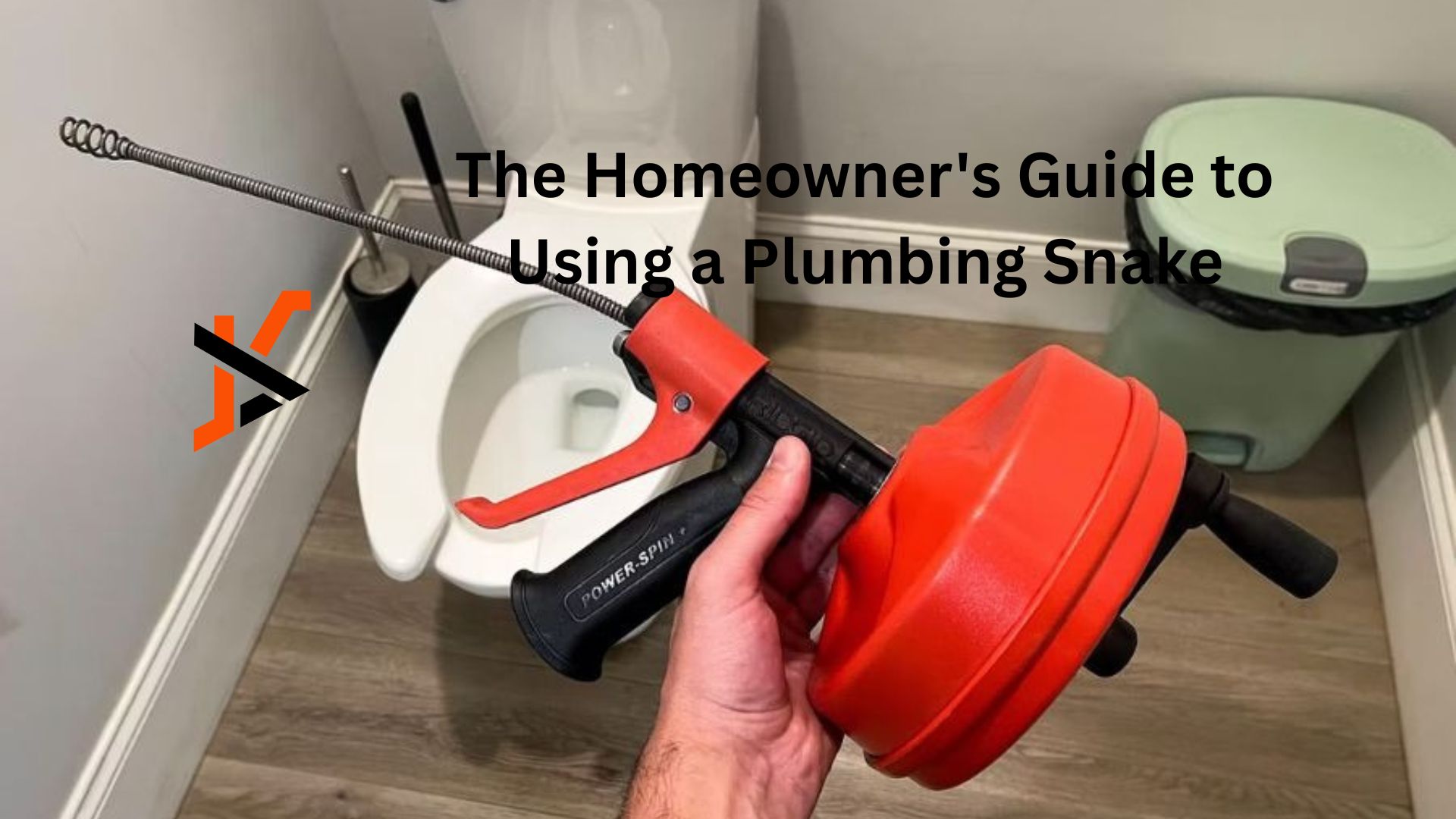
Dealing with a stubborn clog is a disruption that can ruin any homeowner’s schedule. Instead of relaxing and browsing bestcafes.co.uk to find your next favorite coffee spot, you find yourself staring at a sink full of murky, standing water. While a severe blockage often requires the expertise of a professional nashville plumber like the team at Southern Plumbing Works to prevent long-term damage, many minor obstructions can be cleared with the right tools. Learning to use a plumbing snake effectively is a vital skill that bridges the gap between a simple plunger and a professional service call.
Introduction to Plumbing Snakes
A plumbing snake is an essential tool in the arsenal of DIY home maintenance.
While plungers rely on air pressure to dislodge blockages, a snake provides a mechanical solution to reach deep into the plumbing system.
Understanding exactly what this tool is and how it functions is the first step toward clearing drains without damaging your pipes.
What is a Plumbing Snake?
A plumbing snake, also technically known as a drain auger, is a slender, flexible auger used to dislodge clogs in plumbing that cannot be removed with a plunger.
It consists of a coiled metal wire or cable, usually roughly 1/4-inch thick, with a gap between the coils at the tip resembling a corkscrew or a boring head.
The mechanics are relatively simple: the cable is pushed into the drain until it encounters the obstruction.
By rotating the coil, the tip either breaks up the debris or hooks onto the blockage-such as a hairball or fibrous mass-allowing the user to pull it out.
Unlike chemical drain cleaners, which can corrode older pipes and harm the environment, a snake is a physical solution that addresses the root of the problem without introducing caustic substances into your septic system or municipal water supply.
Types of Plumbing Snakes
Not all drains are created equal, and neither are the snakes designed to clear them. Using the wrong tool can lead to scratched porcelain or damaged pipe joints.
- Hand Spinners (Drum Augers): This is the most common tool for homeowners. It features a drum that houses the cable and a handle to rotate it. It is ideal for sink drains, bathtubs, and showers.
- Toilet Augers (Closet Augers): Specifically designed for toilets, this tool has a protective rubber sleeve to prevent scratching the ceramic bowl. The cable is shorter and stiffer to navigate the tight S-curve of a toilet trap.
- Flat Tape Augers: Instead of a coil, this uses a flat metal band. It is generally used for smaller pipes but is less flexible than a coiled snake.
- Power Snakes: These are motor-driven augers used for heavy-duty clogs deep in the main sewer line. They are powerful and typically reserved for professionals or available for rent for advanced DIYers.
Step-by-Step Guide to Using a Plumbing Snake
Successfully clearing a drain requires patience and technique. Rushing the process can result in the cable kinking or the clog compacting further.
Follow this systematic approach to ensure the safe removal of debris.
Preparing for Use
Before you begin, preparation of the workspace is critical to hygiene and safety. Drain water is unsanitary and can contain bacteria or decaying organic matter.
Start by clearing the area under the sink or around the drain. Lay down old towels or a drop cloth to catch any splashes or runoff.
You should have the following items ready:
- Rubber gloves (to protect hands from bacteria and sharp debris).
- A bucket (to catch water).
- Paper towels or rags.
- A wrench or channel locks (if removing a P-trap).
If you are working on a sink, you may need to remove the P-trap (the U-shaped pipe beneath the sink) if the snake cannot pass through the drain stopper mechanism.
Place the bucket underneath the trap, loosen the slip nuts, and gently remove the pipe. This allows direct access to the drain line.
Inserting the Snake Properly
Once the drain is accessible, position the plumbing snake close to the opening.
Loosen the thumbscrew on the drum of the auger. This screw holds the cable in place.
Pull out roughly 6 to 10 inches of cable and insert the tip into the drain opening. Do not pull out too much cable at once; excess slack can cause the wire to kink or whip around outside the pipe.
Push the cable in manually until you feel resistance.
It is important to distinguish between the resistance of a bend in the pipe and the resistance of a clog.
A pipe bend will feel hard and smooth, while a clog often feels somewhat spongy or soft.
If the cable hits a bend, tighten the thumbscrew, rotate the handle, and push gently to help the head navigate the turn.
Advancing and Breaking the Clog
When the tip of the snake reaches the actual blockage, the cable will stop advancing.
At this point, tighten the thumbscrew on the drum to lock the cable length.
Begin cranking the handle in a clockwise direction. This rotation allows the corkscrew tip to bore into the obstruction.
Do not force the cable aggressively. Pushing too hard can damage the pipe walls, especially in older homes with galvanized steel plumbing.
Instead, use a combination of rotating and gentle forward pressure. This action shreds solid masses like soap scum or grease.
If the clog is fibrous, such as hair or roots, the rotation will entangle the debris around the tip of the auger.
You may feel the tension release as the clog breaks apart. If this happens, feed a little more cable into the line to ensure you have cleared the entire obstruction and pushed any remaining small particles into the wider sewer line.
Retracting and Cleaning
Retracting the snake is just as important as inserting it.
Rotate the handle occasionally as you pull the cable back to prevent the debris from scraping off against the pipe entrance.
Pull the cable out slowly. If you pull too fast, the “sludge” on the cable can splatter across your bathroom or kitchen.
As the cable emerges from the drain, use a rag to wipe it down immediately. This prevents foul-smelling bacteria from entering the drum of the auger.
Once the head of the snake emerges, you will likely see the cause of the clog-often a clump of hair or congealed grease-attached to the tip. Remove this debris and dispose of it in the trash; never flush it back down.
Reassemble the P-trap if you removed it, ensuring the slip nuts are hand-tight plus a quarter turn with a wrench.
Run hot water for several minutes to flush out any remaining residue and confirm that the flow has been fully restored.
Safety Tips and Common Mistakes
While snaking a drain is a standard homeowner task, it carries risks.
Improper technique can turn a $20 problem into a massive repair bill involving pipe replacement.
Avoiding Pipe Damage
The most common way homeowners damage their plumbing is by using too much force.
Metal cables are harder than PVC plastic and can scrape through the pipe wall if the snake is cranked aggressively against a bend (elbow).
In older homes, galvanized pipes may already be corroded and thin. A vigorous snake can puncture these weak spots, leading to leaks behind walls or under floors.
Always let the rotation of the auger do the work, rather than the force of your arm pushing it.
Never use a power snake on narrow drain lines (like 1.5-inch sink drains) unless you are experienced, as the high torque can shatter fittings instantly.
Choosing the Right Snake
One size does not fit all in plumbing.
Using a standard sink auger on a toilet is a recipe for disaster. The exposed metal coil will scratch the porcelain bowl, leaving unsightly black marks that are nearly impossible to remove.
Conversely, a toilet auger is too thick to fit into a bathtub drain or a bathroom sink.
For main sewer line clogs (indicated by multiple fixtures backing up simultaneously), a small handheld drum auger will be ineffective because it lacks the reach (usually only 25 feet) and the diameter to clear a large 4-inch pipe.
In these cases, a professional with a heavy-duty industrial snake is required.
Handling Difficult Clogs
Some obstructions cannot be cleared with a standard home snake.
If you encounter a “hard stop” that makes a metallic clunking sound, you may have hit a collapsed pipe or a solid object dropped down the drain.
Tree roots are another formidable enemy. They infiltrate sewer lines through small cracks in search of moisture.
A small manual snake might punch a tiny hole through a root mass, restoring flow temporarily, but the roots will quickly grow back.
Chemical Warning: Never use a plumbing snake immediately after pouring chemical drain cleaners (like sulfuric acid or lye) down the sink.
If you spin the snake, the cable can splash these caustic chemicals back onto your skin or into your eyes, causing severe burns.
Maintenance and Caring for Your Plumbing Snake
A good plumbing snake can last a lifetime if properly maintained.
Because the tool is constantly exposed to moisture and organic waste, it is highly susceptible to rust and corrosion.
After every use, the cable should be thoroughly washed. Many homeowners hose it down outside.
Once clean, dry the cable completely before winding it back into the drum.
To prevent oxidation, apply a light coat of machine oil or a rust inhibitor to the cable as you feed it back into the housing.
This ensures that the cable remains flexible and slides easily during its next use.
Store the auger in a dry place. If the drum retains water, the internal cable will rust into a solid block, rendering the tool useless when you need it most.
