

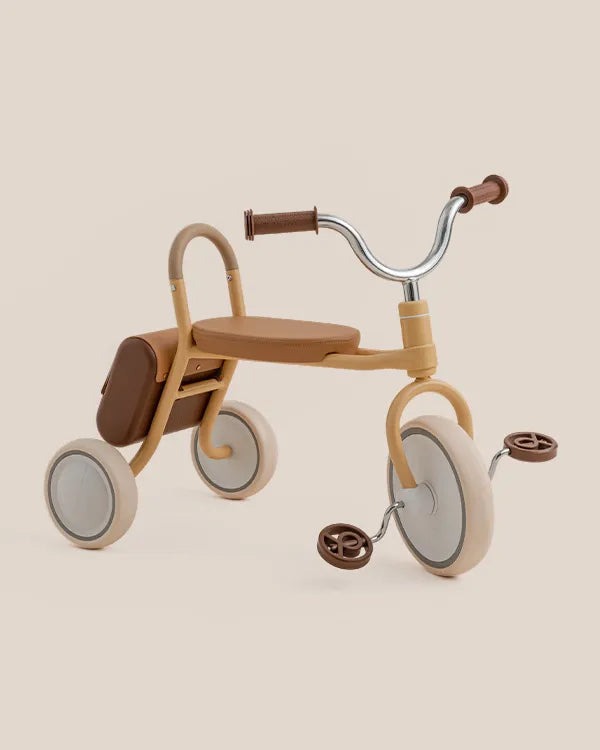
Grandparents hold a special place in every child’s life, and finding the perfect gift to celebrate that bond can be both exciting and challenging. When grandparents want to give something meaningful that encourages outdoor play and physical development, kid tricycles emerge as an exceptional choice. These three-wheeled companions offer more than just entertainment—they help young children develop balance, coordination, and confidence while creating lasting memories of outdoor adventures.
Tricycles have evolved significantly from the simple metal frames of decades past. Today’s models feature thoughtful designs that prioritize safety, comfort, and developmental benefits for children typically aged 18 months to five years. Whether grandparents live nearby for regular visits or far away and want to keep a special toy at their home, a quality tricycle becomes a cherished gift that grandchildren will use for years. This guide explores everything grandparents need to know about selecting the ideal tricycle, from understanding different types and essential features to discovering top models that combine durability, safety, and fun in ways that will delight both the little riders and the grandparents who love watching them grow.
Understanding Kid Tricycles
Kid tricycles represent a foundational milestone in early childhood development, serving as many children’s first independent vehicle. Unlike bicycles that require advanced balancing skills, tricycles provide inherent stability through their three-wheel design, allowing toddlers as young as 18 months to experience the joy of self-propelled movement. This stability makes them ideal for building confidence and motor skills without the frustration of repeated falls.
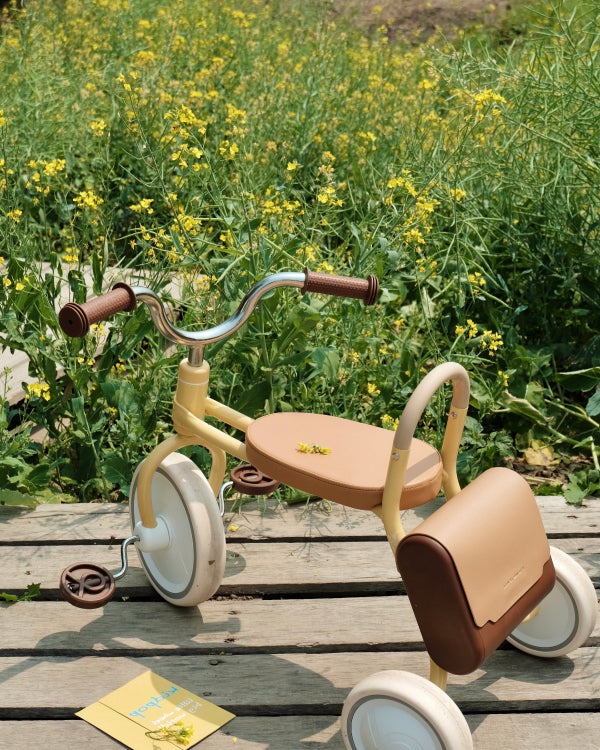
The developmental benefits extend beyond simple entertainment. As children pedal, they strengthen leg muscles and improve cardiovascular fitness through natural play. Steering requires hand-eye coordination and spatial awareness, helping young minds understand cause and effect as they navigate around obstacles. The repetitive motion of pedaling also reinforces bilateral coordination, where both sides of the body work together harmoniously—a crucial skill for future physical activities.
Modern tricycles cater to various developmental stages and family needs. Some models grow alongside children through adjustable components, extending their useful life from toddlerhood through preschool years. Others prioritize portability for families who travel frequently or have limited storage space. Understanding these fundamental aspects helps grandparents make informed decisions that align with their grandchild’s current abilities and future growth, ensuring the gift remains relevant and cherished throughout multiple developmental phases.
Types of Kid Tricycles
Classic push tricycles combine traditional pedal-powered riding with a parent handle attached to the back, giving adults full steering control when needed. These versatile models work beautifully for younger toddlers who are still mastering pedaling motions, allowing grandparents to guide the tricycle during walks while children practice foot placement and gradually build strength. The parent handle typically detaches once the child develops sufficient coordination, transforming the tricycle into a fully independent ride. This dual functionality makes them particularly valuable for grandparents who enjoy taking grandchildren on neighborhood strolls.
Convertible tricycles take adaptability further by transforming through multiple configurations as children grow. They often begin as parent-controlled strollers with safety harnesses and sun canopies for infants, then convert to guided tricycles with removable support features, and finally become traditional tricycles for independent riders. These multi-stage designs represent excellent long-term investments, accommodating children from around 9 months through age five. The transformation process usually involves removing components like push handles, safety bars, and footrests as developmental milestones are reached.
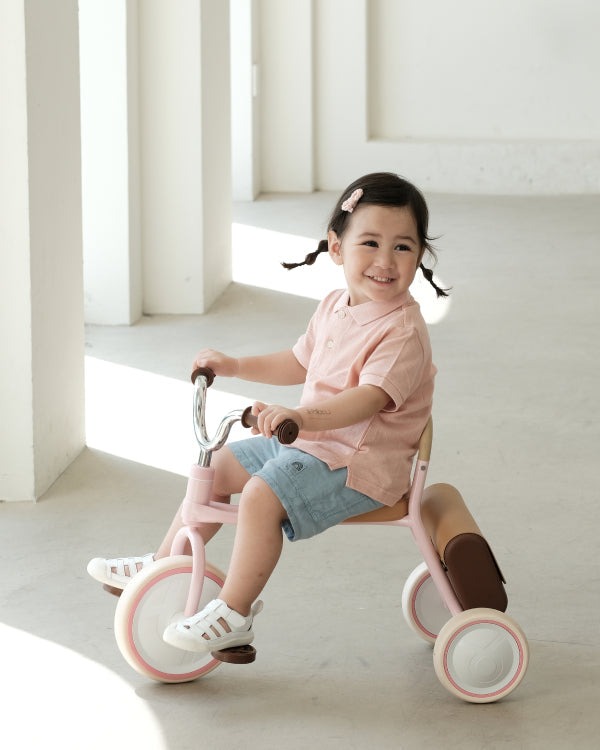
Traditional pedal tricycles appeal to children who have already developed basic coordination and are ready for completely independent riding. These straightforward designs focus on durability and simplicity, featuring sturdy frames, comfortable seats, and reliable pedal mechanisms without extra attachments. They’re ideal for grandparents whose grandchildren visit regularly and have already mastered the basics of tricycle riding. Low-rider tricycles with large front wheels create a distinctive style while lowering the center of gravity for enhanced stability during turns and enthusiastic riding.
Features to Consider
Safety features should top every grandparent’s priority list when selecting a tricycle. Look for wide wheelbases that prevent tipping during sharp turns or uneven terrain navigation. Quality models include secure harness systems with three or five-point restraints for younger riders who might attempt to stand or lean excessively. Footrests with straps keep little feet away from moving wheels when children tire of pedaling. Non-slip pedals with textured surfaces ensure proper foot placement even when shoes get wet or dusty during outdoor adventures.
Adjustability determines how long a tricycle remains useful as children grow rapidly during early years. Seats that slide forward or backward accommodate different leg lengths, ensuring children can reach pedals comfortably throughout multiple growth spurts. Adjustable handlebars prevent awkward hunching as children gain height, maintaining proper posture during rides. Some premium models offer adjustable parent handles that telescope to suit different adult heights, making it comfortable for both grandparents to take turns pushing during family outings.
Durability and materials directly impact longevity and maintenance requirements. Steel frames provide maximum strength and stability but add weight, while high-quality plastic components reduce overall mass for easier maneuverability and transport. Pneumatic rubber tires offer superior shock absorption and traction on varied surfaces, though they require occasional inflation. Solid EVA foam tires eliminate maintenance concerns and work well on smooth surfaces like sidewalks and driveways. Weather-resistant finishes and rust-proof hardware ensure the tricycle withstands outdoor storage and various climate conditions, particularly important for grandparents who keep toys at their home year-round.
Top Kid Tricycle Models
Selecting from the vast array of tricycles available requires understanding which models consistently deliver on safety, durability, and developmental value. The best tricycles balance quality construction with thoughtful features that address real-world needs grandparents encounter. Premium models justify their investment through years of reliable use, often serving multiple grandchildren or maintaining excellent resale value.
When evaluating specific tricycles, grandparents should consider their grandchild’s current developmental stage and anticipated growth trajectory. A two-year-old just learning to pedal has vastly different needs than a confident four-year-old ready for independent adventures. Storage space at the grandparents’ home matters too—some models fold compactly while others require dedicated garage or shed space. The frequency of visits influences whether portability features justify additional cost.
Quality tricycles share common characteristics regardless of brand. They feature stable geometry that prevents tipping during enthusiastic riding, smooth-rolling wheels that glide easily across various surfaces, and comfortable seating that supports proper posture during extended play sessions. Assembly should be straightforward with clear instructions, as many grandparents prefer handling setup themselves. Customer service and warranty coverage provide peace of mind, ensuring any manufacturing defects or component failures receive prompt resolution.
The following models represent different approaches to tricycle design, each excelling in particular areas. Some prioritize long-term adaptability through convertible features, while others focus on perfecting the classic tricycle experience with superior materials and construction. Brands like Kidpop have also entered the market with innovative designs that address modern parenting needs while maintaining traditional quality standards. Understanding these distinctions helps grandparents match specific models to their unique circumstances, whether they’re seeking maximum versatility, ultimate durability, or simply the most enjoyable riding experience for their beloved grandchildren.
Brand A: XBrand Tricycle
The XBrand Tricycle stands out for its exceptional convertibility, transitioning seamlessly through six distinct configurations from infant stroller to independent tricycle. This remarkable adaptability begins around 9 months when the tricycle functions as a fully-enclosed stroller with a removable canopy, safety bar, and parent steering control. As toddlers develop, the configuration evolves by removing support components incrementally, allowing children to gradually assume more control while maintaining safety features appropriate to their abilities.
The engineering behind this model emphasizes smooth transitions between stages without requiring tools for most adjustments. The parent push handle extends and locks at multiple heights, accommodating grandparents of varying statures comfortably. A spacious storage basket beneath the seat holds snacks, toys, and essentials during outings, while the adjustable footrests fold away cleanly when children begin pedaling independently. The seat reclines for younger passengers who might nap during walks, then locks upright for active riders.
Durability comes from a reinforced steel frame with weather-resistant coating that maintains its appearance through years of outdoor use. The wheels feature puncture-proof EVA foam that never requires inflation, eliminating maintenance concerns while providing adequate cushioning on sidewalks and paved paths. A free-wheel clutch mechanism allows the pedals to remain stationary when grandparents push, preventing feet from getting knocked by rotating pedals—a thoughtful detail that enhances comfort during parent-controlled rides.
Brand B: YBrand Tricycle
The YBrand Tricycle takes a different approach by perfecting the classic tricycle design with premium materials and meticulous attention to riding quality. Rather than multiple configurations, this model focuses on children aged two to five who are ready for independent pedaling. The low-profile frame positions riders closer to the ground, reducing injury risk during the inevitable tumbles of early riding while making mounting and dismounting easier for shorter legs.
What distinguishes this tricycle is its exceptional build quality and smooth mechanical operation. The pedal assembly uses sealed bearings that rotate effortlessly, requiring minimal leg strength from young riders and encouraging longer play sessions. The oversized front wheel—significantly larger than typical tricycle wheels—rolls over cracks, sticks, and small obstacles that would stop standard models, creating a more enjoyable riding experience on real-world surfaces. Rubber handlebar grips provide secure hold without causing hand fatigue during extended rides.
The powder-coated steel frame resists scratches and corrosion while supporting riders up to 70 pounds, accommodating larger or older children comfortably. The contoured seat features ventilation channels that reduce heat buildup during summer riding, and its slight bucket shape provides lateral support during turns. Assembly requires only basic tools and typically takes under 30 minutes, with clearly labeled parts and illustrated instructions that grandparents find straightforward. This tricycle earns its reputation through refined execution of fundamental design principles rather than elaborate features.
Brand C: ZBrand Tricycle
The ZBrand Tricycle bridges the gap between convertible complexity and classic simplicity through its innovative two-stage design. It begins as a parent-guided tricycle with a detachable push handle and protective ring that prevents children from steering into hazards while they master pedaling coordination. Once children demonstrate readiness—typically around age three—grandparents simply remove these training components, revealing a fully independent tricycle underneath. This streamlined approach appeals to those who want some adaptability without the complexity of six-stage systems.
The tricycle’s standout feature is its adjustable frame that grows with children through a telescoping design. The distance between seat and pedals extends as legs lengthen, while the handlebar height adjusts independently to maintain comfortable arm positioning. These modifications require only loosening a single bolt, making adjustments quick enough to accommodate different-aged grandchildren during the same visit. The wide rear axle and low center of gravity create exceptional stability, allowing confident riders to navigate tight turns without tipping concerns.
Practical design elements address common grandparent concerns effectively. The rear storage bin holds outdoor toys, encouraging children to transport their treasures between play areas independently. Reflective strips on the frame enhance visibility during evening rides when daylight fades earlier in winter months. The quick-release front wheel simplifies storage in compact spaces or vehicle transport for trips to parks. Pneumatic tires with deep treads provide superior traction on grass, gravel, and slightly uneven terrain, expanding where grandchildren can safely ride beyond just smooth pavement.
Making the Perfect Tricycle Choice
Choosing a tricycle as a gift demonstrates thoughtfulness that extends far beyond the initial unwrapping excitement. Grandparents who select quality tricycles invest in their grandchildren’s physical development, outdoor exploration, and confidence-building experiences that create cherished memories for years to come. Whether opting for a convertible model that adapts through multiple developmental stages, a classic design that perfects fundamental riding quality, or an innovative hybrid approach, the right tricycle becomes a beloved companion that encourages active play away from screens.
The key lies in matching the tricycle’s features to specific family circumstances—considering the child’s current age and abilities, available storage space, and how frequently visits occur. Grandparents should prioritize safety features like stable geometry and secure harnesses while seeking adjustability that accommodates rapid childhood growth. Quality construction ensures the tricycle withstands enthusiastic use and potentially serves multiple grandchildren over time. By understanding the distinctions between different types and models, grandparents can confidently select a tricycle that delivers lasting value, transforms ordinary days into adventures, and strengthens the special bond they share with their grandchildren through countless rides together.
