

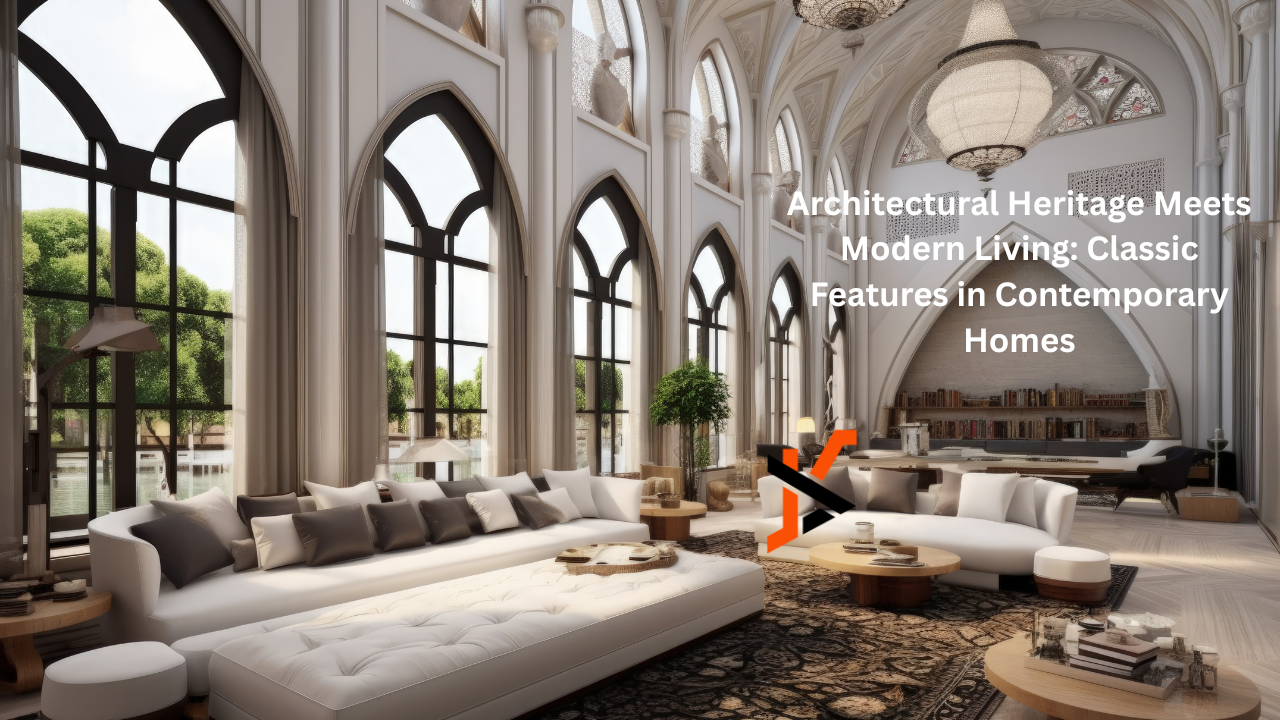
Modern doesn’t always mean new. Many of the most stunning homes constructed in recent years utilize traditional architectural features combined with modern construction techniques. They feel both nostalgic and current. It’s as if certain approaches to design have stood the test of time over centuries for a reason – they create solutions to modern problems while making things beautiful and livable.
But the challenge exists in adapting such historic features into a more modern vocabulary. With building codes, energy efficiency, and lifestyles all lending themselves toward slightly different interpretations, it’s only natural that historically significant features might become more interesting in approach than a pure historical reproduction or extremes of modernism alone.
Why Features Come Back in the First Place
Time and time again, classical features permeate projects because they create human-scaled solutions to elemental needs. The difference now is that they come through new construction systems but maintain an ideal connection to what people have always wanted or needed from shelter. They want light; they want air; they want sensical proportions to feel welcome and at ease.
In this effort to understand what the past offered, one might think about natural light through overhead openings. Before electrical sources, there needed to be enough daylight afforded by the building for people to effectively live there throughout the day. Hence, roofs, windows, interior partitions, and more evolved to create a naturally lit space that was beneficial to function and comfort. Today, while practical needs aren’t met to secure daylight during business hours, we appreciate the aesthetic of naturally bright spaces vs. artificial.
But energy efficiency reminds us why such innovations are still relevant today. Pre-central heating and cooling spaces required better design approaches for the same goals we have now but through different performance requirements because there was no central air to depend upon.
Overhead Lighting: From Necessity to Luxury
We see such efforts with overhead lighting throughout historical structures – from holes in the roof of antiquity Roman domiciles to glass conservatories of Victorian homes constructed to hold light deeper into spaces where windows weren’t framed much further back. In these examples, such features were necessary for lighting needs that would otherwise put unnecessary pressure on windows.
How do similar ideas evolve today? Through the visual aspect of form and details that create a connection to historical morphology combined with the need to perform overhead without pure performance efforts up until that point. Roof lanterns in USA are one example where a multi-pane lantern becomes rehabilitated into an engineered, thermal-broken version with high-performance glazing for energy code compliance. Not only does contemporary glazing glass gauge make this move more thermally efficient than anything historically constructed, but it also maintains the sense of volume and daylight access within that made initial forerunners appealing.
The pitched roof and multi-panel comings and goings articulate light quality from morning through night while providing an architectural presence that could only surpass skylights.
Adapting Measurement Proportions
What about proportions? In the past, beautiful forms translated based upon sophisticated proportions developed through time – golden ratios, classical orders, ancient creations that defined an aesthetic appeal true to comfort because they understood over time what would be comfortable for human occupation; they weren’t built haphazardly without means and purpose.
Similar re-understandings occur today under modern constructs. Whether it’s classical room height proportions applied in a minimalist room or window spacing appropriated within a more contemporary commercial curtain wall system, the sense of mathematically quantifiable connection is there but repurposed differently. The idea of room height versus height can now challenge purely unreasoned heights per room because it’s no longer such a wide-reaching mentality thanks to sophisticated architectural understanding of the past.
Where solid meets void and walls meet openings occurs based on principles that classical architecture comprehended well from the get-go – but contemporary construction lost track due to efficient detailing operations under budgetary concerns that lost sight of comforted occupants.
Material Realities
Old forms with new materials give credence to both impossible endeavors as historically constructed versus unreal solutions as purely contemporized design efforts. Look at glass today – they have the ability to span wider than ever with thermal resistance fighting air wash better than any historical material could boast.
Steel gives way for slender profiles not necessarily made possible through heavy timber or ironwork construction steps while engineered timber offers a wealth of opportunities that heavy timber couldn’t even suggest in terms of construction prowess. Glue laminated timbers afford connections far beyond visual comprehension but give detail where necessary for better long-term outcomes.
What about sealants? Historically documented materials haven’t created effective moisture prevention like contemporary pasts have – advanced weatherproofing creations exist that eliminate pesky features like caulked joints that went south through time – but appealing visuals exist under aesthetic elements that make historically detailed buildings worth honoring through visual possibilities rather than true material outcomes.
Putting this effort together often creates better contemporary efforts than purely historical reproductions or lame modern design efforts flat out – realized forms from years of trial better an idea where practical performance meets aesthetic over years ago’s “That’s how we always did it” philosophy.
Making it Work
Bringing an attractive feature in from a historical perspective is great; however, it must fit the context in which it’s proposed effectively – proportionally makes sense for the realities at hand. A Victorian-era roof lantern on a stark, modern box looks out of place; however, it’s less the lantern itself and more the contextual application that needs help; a transitional house connecting elements appreciated in both realms helps bridge the gap.
Thus comes easier when an architectural professional understands what they’re doing – entryways carved out for vaulted ceilings must proportionally make sense connected from interior walls to roof height in conjunction with what’s above so natural conditions can translate below as desired. The internal and external conditions must match appropriate contexts intended.
If HVAC systems put existing ones through or future improvements rely on systems not implemented at the time of inclusion with no regard for piping or tubing getting in the way, something’s amiss. It’s got to work across disciplines with educated clients on what’s expected not only immediately post construction/implementation but down the line as well.
Heritage and Responsibility for Now – and Beyond
In some cases, engaging these features represent more than standing nostalgia; they present pride of ownership noting how something goes beyond what’s naturally expected in contemporary spaces. From thermal comfort (or lack thereof) over time accumulated through an understanding today clearer than yesterday presents attractive options that didn’t truly link thousands of years ago because there was no way for anyone who’s ever lived in a building owned by humans outside universality.
With strict energy performance or occupant comfort necessary luxuries expanding at rapid rates since antiquity held them safer solutions yet somewhat irritating in real-time spaces over no understood reason due to an aesthetic effort – they were happily ever after turned into doorways.
The best result comes with contemporary approaches that mean more since we know better today than relying on once held evaluations from yesterday instead of trying to do what’s best without ever having lived in our predecessors’ confines.
Modern designed homes seldom feel as good as homes with heritage relevance. Heritage connections are smart features many people want anyway so why fight it?
