

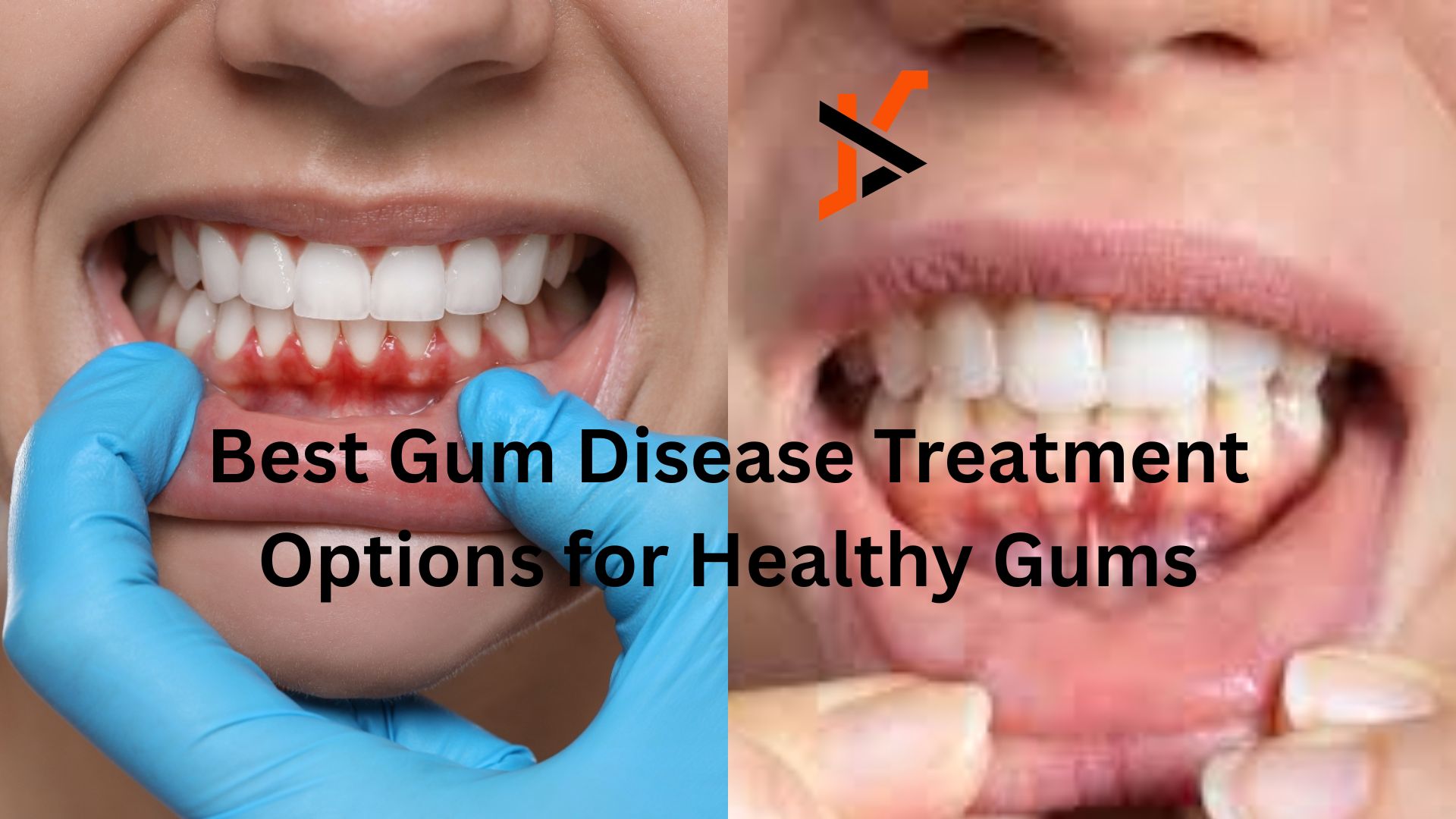
Gum Disease Treatment Options: Which One Is Right for You?
Gum disease is a common oral health concern that affects millions of people worldwide. Left untreated, it can lead to tooth loss, infections, and serious complications affecting overall health. If you’re noticing symptoms such as bleeding gums, swelling, or persistent bad breath, understanding your options is critical. There are multiple approaches available, but determining the best gum disease treatment depends on the severity of your condition and your personal oral health needs.
Understanding Gum Disease
Gum disease, also called periodontal disease, occurs when harmful bacteria in plaque and tartar inflame the gums. It typically progresses through two main stages:
- Gingivitis: The early stage of gum disease, causing redness, swelling, and bleeding gums. At this stage, damage is usually reversible.
- Periodontitis: Advanced gum disease where gums pull away from teeth, forming pockets that can harbor bacteria. This stage can lead to bone loss and permanent tooth damage.
Several factors increase the risk of gum disease, including poor oral hygiene, smoking, genetics, hormonal changes, diabetes, and certain medications. Identifying these factors is essential for choosing the right treatment and preventing recurrence.
Signs You May Need Treatment
Recognizing gum disease early can make treatment more effective. Common symptoms include:
- Gums that bleed when brushing or flossing
- Swollen or tender gums
- Persistent bad breath
- Receding gums or longer-looking teeth
- Loose teeth or changes in how teeth fit together
If you notice any of these signs, seeking dental advice promptly can prevent progression and reduce the need for invasive procedures.
Common Gum Disease Treatment Options
Treatment for gum disease varies depending on severity and patient-specific factors. Understanding each option will help you make an informed decision.
1. Professional Cleaning
For mild gum disease, a professional dental cleaning is often sufficient. This process removes plaque and tartar that cannot be eliminated through regular brushing. Regular cleanings help reduce inflammation and prevent the disease from advancing.
2. Scaling and Root Planing
When gum disease progresses beyond the early stage, scaling and root planing is often recommended. This deep cleaning procedure targets bacteria and tartar below the gumline. The roots of the teeth are smoothed to encourage the gums to reattach, promoting healing and reducing pocket depth.
3. Antibiotic Therapy
In some cases, antibiotics may be prescribed alongside cleaning procedures. These can be topical gels applied to the gum pockets or oral medications. Antibiotic therapy helps eliminate bacteria that are difficult to reach with mechanical cleaning alone.
4. Surgical Interventions
For advanced periodontitis, surgical options may be necessary to restore gum and bone health:
- Flap Surgery: Involves lifting the gums to remove tartar and reduce pocket depth.
- Bone and Tissue Grafts: Rebuilds lost bone or gum tissue to support teeth and prevent further deterioration.
While surgery is more invasive, it is highly effective in managing severe cases and preserving oral function.
5. Maintenance and At-Home Care
Regardless of the treatment approach, daily oral hygiene plays a crucial role. Brushing twice a day, flossing, and using antimicrobial mouthwash help prevent plaque buildup and support professional treatment. Regular dental check-ups and cleanings are also essential for long-term gum health.
How to Choose the Right Treatment
Selecting the right gum disease treatment depends on several factors:
- Severity of the Condition: Mild gingivitis may only require cleaning, while advanced periodontitis could need surgery.
- Overall Oral Health: Teeth alignment, bone density, and previous dental issues influence treatment choices.
- Lifestyle Factors: Smoking, diet, and stress levels can impact treatment effectiveness and recovery.
- Professional Advice: Consulting a dentist ensures that your treatment plan is personalized and evidence-based.
By evaluating these factors, you can make an informed decision that maximizes the effectiveness of your treatment and minimizes complications.
Lifestyle Tips to Support Gum Health
In addition to professional care, several lifestyle changes can strengthen your gums and reduce the risk of recurrence:
- Quit Smoking: Tobacco use significantly increases the risk of gum disease and slows healing.
- Eat a Balanced Diet: Nutrient-rich foods improve immunity and support oral tissue repair.
- Stay Hydrated: Water helps flush bacteria and maintain saliva production, which protects teeth and gums.
- Manage Stress: High stress can affect the immune system, making gums more susceptible to infection.
Combining these habits with professional care enhances the long-term success of gum disease treatment.
Common Misconceptions About Gum Disease
Many people have misunderstandings about gum disease that can delay treatment:
- “Bleeding gums are normal.” Any bleeding should be treated as a warning sign.
- “Only older adults get gum disease.” Young adults can also develop periodontal problems.
- “Brushing harder prevents gum disease.” Aggressive brushing can damage gums further.
Dispelling these myths encourages timely intervention and better oral health outcomes.
Final Thoughts
Choosing the right gum disease treatment is essential for protecting your teeth and gums from long-term damage. By understanding your options, consulting with dental professionals, and maintaining consistent oral hygiene, you can effectively manage gum disease and prevent its recurrence. For personalised guidance and expert care, Nuffield Dental offers comprehensive assessments and tailored treatment plans to help every patient maintain a healthy, confident smile.
Frequently Asked Questions (FAQs)
Can gum disease be reversed?
Mild gum disease (gingivitis) is reversible with professional cleaning and proper home care. Advanced periodontitis can be managed but not fully reversed.
How long does treatment take?
Treatment duration depends on severity. Mild cases may improve within weeks, while severe periodontitis may require months of care.
Are home remedies enough for gum disease?
Home care supports treatment but cannot replace professional cleaning and interventions for advanced disease.
Does gum disease affect overall health?
Yes. Gum disease has been linked to heart disease, diabetes, and pregnancy complications. Maintaining gum health is critical for overall wellbeing.
How often should I visit the dentist for gum health?
Routine visits every six months are recommended, with more frequent check-ups for high-risk individuals.
