

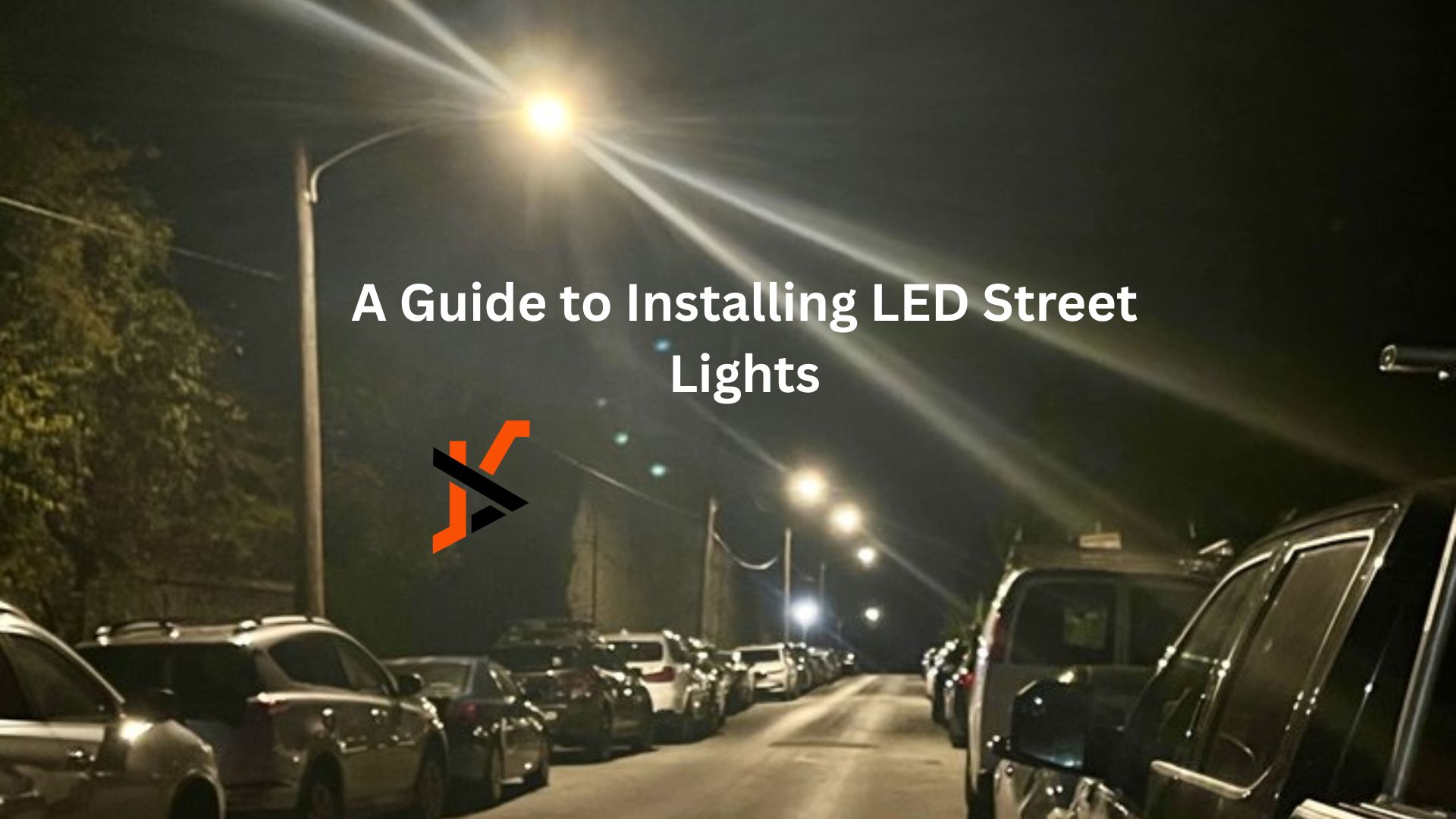
Compared with traditional sodium or metal halide street lamps, LED street lights provide higher energy efficiency, longer lifespan, better lighting uniformity, and significantly lower maintenance costs.
Proper installation is critical to ensure optimal performance, safety, and durability. This guide explains the key steps, considerations, and best practices for installing LED street lights in different outdoor environments.
Why Proper Installation Matters
Even high-quality LED street lights can underperform if they are installed incorrectly. Poor installation may lead to uneven illumination, electrical failures, water ingress, or shortened service life. A standardized installation process ensures:
- Stable electrical performance
- Maximum lighting efficiency
- Compliance with safety standards
- Reduced long-term maintenance costs
For large-scale projects, working closely with an experienced LED street light manufacturer can help avoid common installation mistakes and ensure compatibility with local regulations.
Pre-Installation Preparation
1. Site Assessment
Before installation, evaluate the site conditions, including road width, pole height, spacing, and surrounding environment. These factors directly affect beam angle selection and lighting distribution.
2. Electrical System Check
Confirm that the local power supply voltage and frequency match the LED street light specifications. Inspect cables, grounding systems, and circuit protection devices to ensure they meet safety requirements.
3. Product Inspection
Check the LED street light for any damage during transportation. Verify that the housing, lens, driver, and mounting brackets are intact before installation.
Step-by-Step LED Street Light Installation Process
Step 1: Install the Light Pole
Ensure the pole foundation is stable and meets design requirements. The pole must be vertically aligned and securely fixed to withstand wind loads and vibrations.
Step 2: Mount the LED Street Light
Attach the LED street light to the pole arm using the supplied brackets. Tighten all bolts evenly to avoid mechanical stress. Adjust the installation angle according to the lighting design plan, typically between 0° and 15°.
Step 3: Electrical Wiring
Connect the power cable according to the wiring diagram provided by the manufacturer. Ensure correct polarity and secure all connections. Grounding must be properly installed to protect against electrical faults and lightning.
Step 4: Waterproof Sealing
Check cable entry points and sealing gaskets to ensure the fixture maintains its IP rating. Proper sealing is essential for outdoor applications exposed to rain, dust, and humidity.
Step 5: Power-On Testing
After installation, turn on the power to test the light. Verify stable illumination, correct beam direction, and absence of flickering or abnormal noise.
Common Installation Mistakes to Avoid
- Incorrect mounting angle causing light pollution
- Loose electrical connections leading to flickering
- Ignoring grounding requirements
- Damaging waterproof seals during wiring
Avoiding these mistakes can significantly improve system reliability and lighting performance.
Safety Considerations During Installation
- Always disconnect power before wiring
- Use insulated tools and safety equipment
- Follow local electrical and construction regulations
- Ensure installation is performed by trained personnel
Safety should always be the top priority, especially for installations at height or in traffic areas.
Maintenance After Installation
Although LED street lights require minimal maintenance, periodic inspections are recommended:
- Clean lenses and heat sinks
- Check for loose bolts or wiring
- Inspect seals and cable glands
- Monitor light output over time
Proper maintenance helps extend the lifespan of LED street lights and ensures consistent lighting quality.
Professional Guidance for Street Light Installation
For municipal projects, highways, or large commercial developments, following a professional street light installation guide can help standardize procedures and improve efficiency. Detailed technical instructions also reduce installation errors and future maintenance risks.
Conclusion
Installing LED street lights correctly is essential for achieving reliable, efficient, and long-lasting outdoor lighting. From site assessment and mounting to wiring and testing, every step plays a critical role in system performance.
By following standardized installation practices and working with reputable manufacturers, project owners and contractors can maximize the benefits of LED street lighting while minimizing operational costs over the long term.
