

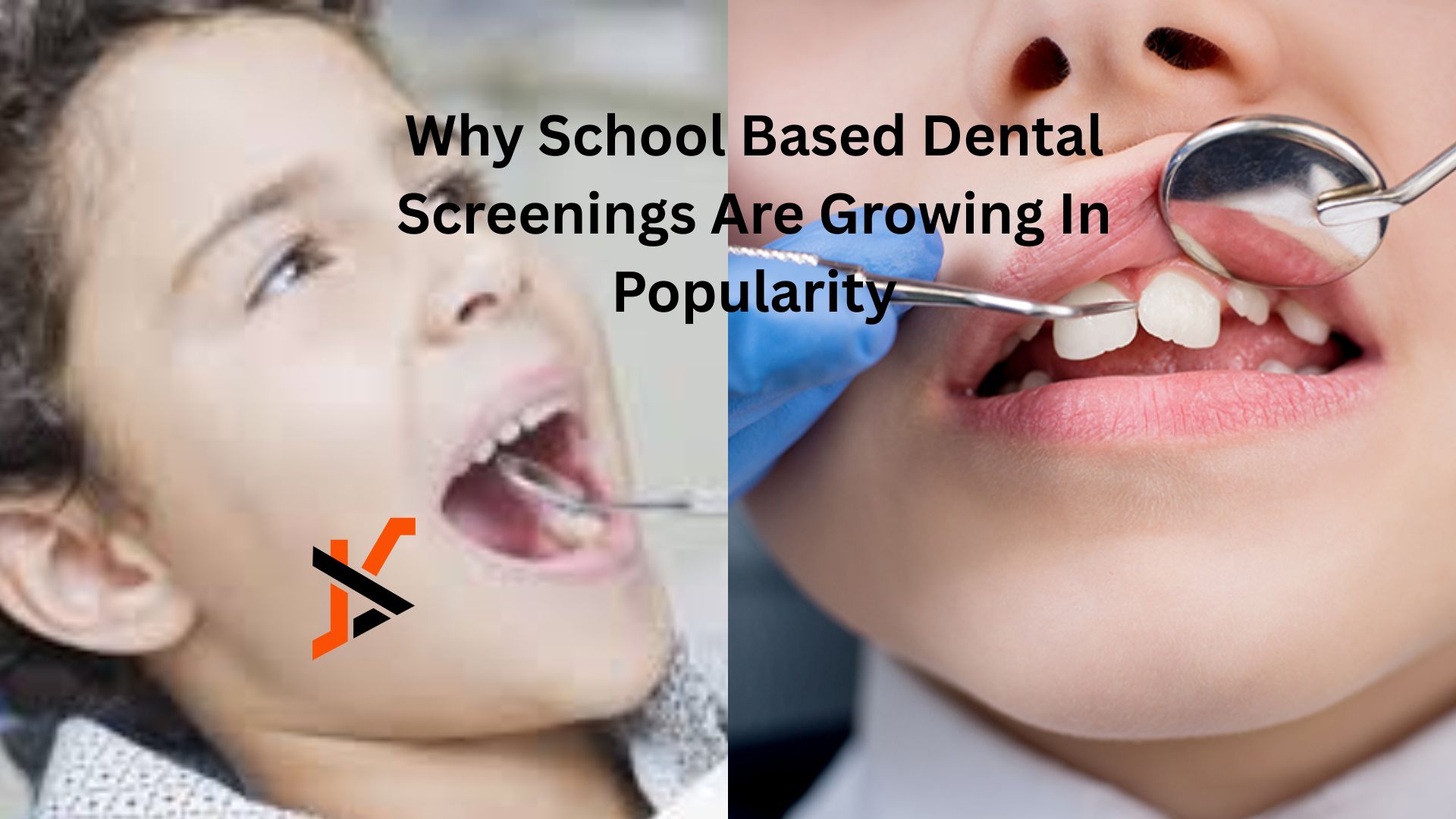
School based dental screenings are becoming common in many communities. You see them in classrooms, gyms, and nurse offices. Parents sign forms. Children open their mouths. Trained teams check teeth and gums. The goal is simple. Catch problems early. Stop pain before it starts. Help families who cannot reach a dental office. Many children live with silent tooth pain. They miss class. They cannot sleep. They struggle to eat. Early screenings change that. You get clear reports. You learn what needs urgent care. You know when a simple cleaning is enough. You also know when you must see a specialist such as a dental implants dentist in Crest Hill, IL. These school programs grow because they remove barriers. They save time. They reduce fear. They protect children who might otherwise be ignored.
Why schools are stepping in
Tooth decay is the most widespread long-term health condition affecting children. It is more common than asthma. It is more common than allergies. The Centers for Disease Control and Prevention explains that untreated cavities cause pain and infections that lead to eating and speaking problems and missed school days. You can read more from CDC here https://www.cdc.gov/oralhealth/fast-facts/index.html.
Many families want care for their children. Yet they face hard limits. You may see these in your own life.
- No nearby dentist or long travel
- No time off work for appointments
- No dental insurance or high out of pocket costs
- Fear of the dentist from past pain
- No child care for brothers and sisters
School based screenings cut through many of these barriers. Your child is already at school. The team comes to them. You sign one form. Your child gets checked during the school day. No missed work for you. No missed class for your child.
How school dental screenings work
School programs follow clear steps. You can expect three main parts.
- Consent and information. You sign a consent form. You share basic health facts and any current tooth pain.
- Quick exam. A licensed dental professional looks at your child’s teeth and gums. They use a light and small mirror. There are no shots. There is no drilling.
- Results and referrals. You receive a simple report. It explains what looks healthy, what needs routine care, and what needs urgent attention.
Many programs also add simple services. These can include fluoride varnish on teeth and sealants on back teeth. The American Dental Association explains that sealants on permanent molars cut the risk of cavities in those teeth. You can review their summary here https://www.ada.org/resources/research/science/evidence-based-dental-research/sealants-faqs.
What your child gains
School based screenings support your child in three powerful ways.
- They protect health. Problems are caught early before they turn into infections or abscesses.
- They protect learning. Children with less pain attend class more and focus better.
- They protect family time. You spend less time in emergency visits and urgent trips.
You also gain peace of mind. You are not guessing about your child’s teeth. You have clear written results. You know if you can wait for a regular checkup or if you must seek care within days.
How screenings compare with regular office visits
School screenings do not replace a full dental exam. They work beside it. You can think of them as a first filter that guides you to the right level of care.
| Feature | School Based Screening | Regular Dental Visit |
|---|---|---|
| Location | At your child’s school | At a dental office |
| Time away from class or work | Very short | Often half a day or more |
| Scope of exam | Visual check of teeth and gums | Full exam, x rays, and cleaning |
| Cost to family | Usually no cost | Co pay or full cost if no insurance |
| Services provided | Screening, fluoride, sealants in some schools | All routine and many advanced treatments |
| Next steps | Referral for needed care | Care often done on site |
This comparison shows one thing. School programs are a strong first line of defense. Regular dental visits still matter for full care and treatment.
Why popularity keeps rising
School based screenings grow for clear reasons. They help four groups at once.
- Children get early care and less pain.
- Parents get clear information and easier access.
- Schools get better attendance and fewer nurse visits for tooth pain.
- Communities get lower emergency room use for preventable dental problems.
One painful tooth can turn into a crisis for a child. A simple school screening can stop that early. That is why more school districts partner with health departments and dental programs each year.
Steps parents and caregivers can take
You have strong power to protect your child’s mouth. You can start with three simple steps.
- Always return consent forms on time. That one act opens the door to care.
- Read the screening report. Ask questions if anything is unclear.
- Follow through on referrals. Call a local dentist or clinic as soon as possible.
If the report suggests advanced work or tooth replacement, then you may need a specialist. This can include a provider who places implants. In that case you can use the report to plan a visit with your regular dentist or a trusted specialist in your community.
Looking ahead for your child
Healthy teeth help your child eat well, speak clearly, and feel confident. School based screenings are one more tool that supports that goal. You do not have to handle this alone. When you use school programs, regular home brushing, and routine dental visits together, you give your child strong protection.
When the next permission slip for a school dental screening comes home, read it closely. Then sign it. That one simple choice can spare your child long nights of pain and help them stay in class, ready to learn.
