


The way people write has evolved significantly over the past decade. From academic research and professional communication to content marketing and creative storytelling, writing today demands speed, accuracy, and consistency. As expectations increase, many individuals and organisations are turning to AI writing assistants to support their workflows. Rather than replacing human creativity, these tools are reshaping how ideas are developed, refined, and delivered.
AI writing assistants have become a practical solution for writers who need to manage large volumes of content while maintaining clarity and quality. By supporting planning, drafting, editing, and optimisation, AI-driven tools are now an integral part of modern writing processes.
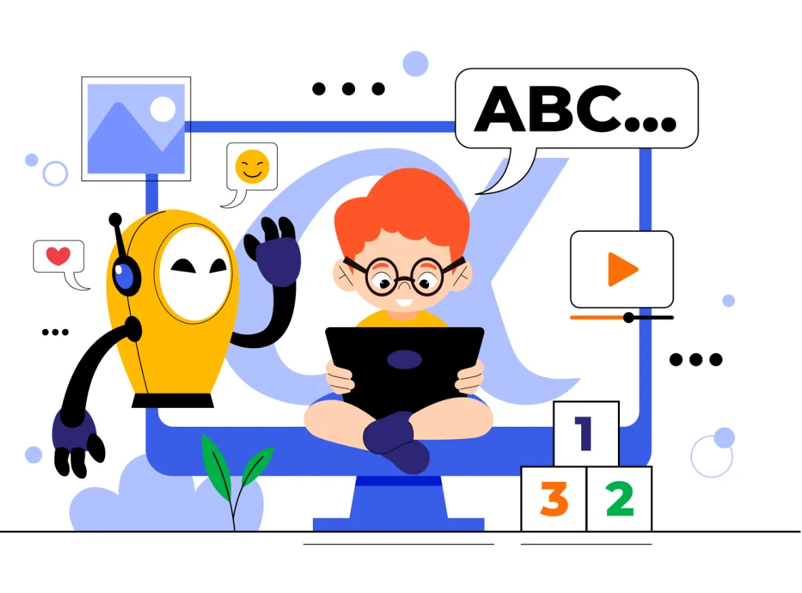
AI writing assistants help improve writing speed, clarity, and quality. @freepik
Understanding the Role of AI Writing Assistants
AI writing assistants are designed to help users complete writing-related tasks more efficiently. They analyse context, language patterns, and structure to generate suggestions, draft content, or improve existing text. Unlike traditional spell-checkers or grammar tools, modern AI systems can assist across multiple stages of writing, from early ideation to final revision.
These tools are commonly used for:
- Drafting articles, essays, and reports
- Improving grammar, tone, and clarity
- Paraphrasing and summarising information
- Generating structured outlines and ideas
- Supporting multilingual writing and translation
At the centre of this evolution is the AI writing generator, which enables users to transform rough concepts into structured drafts within minutes. This capability allows writers to focus more on strategy, insight, and originality rather than repetitive or time-consuming tasks.
Improving Productivity Without Compromising Quality
One of the most significant benefits of AI writing assistants is productivity. Writing often involves repetitive steps such as restructuring sentences, checking grammar, or rephrasing ideas for clarity. AI tools can handle these tasks quickly, allowing writers to work more efficiently.
However, productivity alone is not enough. High-quality writing still depends on human judgment, creativity, and subject-matter understanding. AI-generated content should be viewed as a foundation rather than a finished product. Writers remain responsible for refining arguments, adding personal insight, and ensuring factual accuracy.
When used responsibly, AI writing assistants help writers produce more content without sacrificing depth or credibility. This balance between efficiency and quality is what makes AI a valuable support tool rather than a replacement for human expertise.
Supporting Different Writing Use Cases
AI writing assistants are highly versatile and can support a wide range of writing needs.
Academic and Educational Writing
Students and researchers often use AI tools to structure essays, clarify complex concepts, and improve academic tone. AI can assist with summarising research materials, refining arguments, and ensuring clarity, helping learners focus on understanding rather than formatting.
Professional and Business Communication
In professional settings, clear communication is essential. AI writing assistants help draft emails, reports, proposals, and presentations with appropriate tone and structure. This is particularly valuable for professionals who need to communicate efficiently across teams or with external stakeholders.
Content Creation and Marketing
Content creators and marketers rely on AI tools for idea generation, drafting blog posts, writing ad copy, and optimising content for search engines. AI helps maintain consistency in tone and structure, especially for brands that publish content frequently.
Across these use cases, the goal remains the same: to enhance writing workflows while preserving human intent and voice.
From General AI to Purpose-Built Writing Tools
Not all AI writing assistants offer the same level of effectiveness. General-purpose AI models are flexible but often require detailed prompts and repeated adjustments to achieve consistent results. Writers may spend additional time refining instructions rather than focusing on content itself.
Purpose-built AI writing tools are designed specifically around writing workflows. They incorporate features such as grammar correction, paraphrasing, summarisation, and structured drafting into a unified experience. By reducing the need for extensive prompt engineering, these tools allow writers to work more naturally and efficiently.
Platforms such as Chat Smith reflect this shift toward specialised solutions by integrating multiple AI models and task-focused features designed to support real-world writing workflows across education, business, and content creation. As a result, many users now seek solutions that serve as the best AI chatbot for writing-related tasks rather than relying solely on generic AI interfaces.
AI tools like Chat Smith help students improve essays, research, and study productivity.
Responsible Use of AI in Writing
As AI writing assistants become more widely adopted, responsible use is increasingly important. Writers must ensure that AI-supported content remains original, accurate, and transparent. Fact-checking, critical thinking, and editorial oversight are essential steps in the writing process.
AI should be used to assist with structure, clarity, and efficiency, not to bypass learning or professional responsibility. When applied thoughtfully, AI enhances creativity rather than diminishing it. Writers who understand the strengths and limitations of AI tools are better positioned to use them effectively.
The Future of Writing with AI Assistance
The adoption of AI writing assistants is reshaping how people approach writing tasks. Content creation is becoming more accessible, allowing individuals and organisations to communicate ideas more clearly and consistently. At the same time, expectations around quality and authenticity continue to rise.
Writers who learn to collaborate effectively with AI tools will be better prepared for this evolving landscape. By combining human insight with AI-driven efficiency, they can produce content that is both meaningful and scalable.
As AI technology continues to advance, writing assistants will play an increasingly important role in supporting education, business communication, and creative expression. Tools like Chat Smith demonstrate how AI can be integrated into writing workflows in a way that prioritises usability, flexibility, and responsible application.
Conclusion
AI writing assistants are becoming essential tools in modern writing workflows, supporting students, professionals, and content creators alike. From essay drafting and research support to productivity and career preparation, these technologies help learners write more efficiently and confidently.
The most effective AI writing generators are those designed specifically for educational workflows, offering structure, clarity, and guidance rather than generic responses. As AI continues to evolve, students who adopt these tools responsibly will be better equipped to succeed academically and adapt to future learning environments.
