

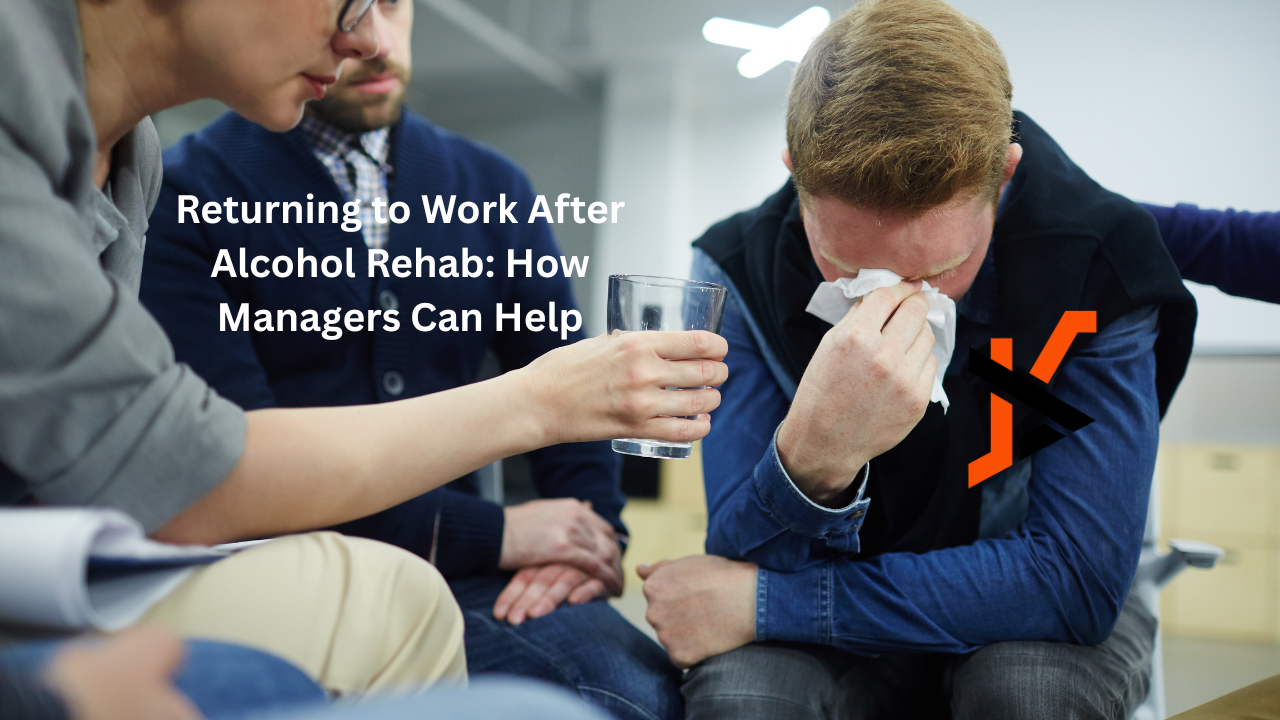
The moment an employee returns to their job after seeking treatment for addiction is a pivotal one. It marks a significant achievement in their personal recovery, but it also presents a new set of challenges as they reintegrate into professional life. For managers, knowing how to navigate this transition effectively is crucial. It requires a delicate balance of compassion, clear communication, and structured support.
When an employee completes a programme at an alcohol rehab or residential rehab, they are often returning with a renewed sense of purpose but also a high degree of vulnerability. The workplace can be a major source of stability, yet it can also trigger stress. Your role as a manager is instrumental in tipping the scales towards stability. A supportive, non-judgemental environment doesn’t just help the individual stay on track; it benefits the business by retaining skilled staff and fostering a culture of psychological safety.
This guide will walk you through the practical steps line managers and HR professionals can take to support employees returning to work after rehab.
Understanding the Transition After Rehab
To support someone effectively, you first need to understand what they have just been through. Alcohol rehab and residential rehab are intensive medical and therapeutic interventions designed to break the cycle of addiction. While the primary goal is sobriety, the process involves deep psychological work, learning new coping mechanisms, and often addressing underlying mental health issues.
Coming back to the “real world” after the structured safety of residential rehab can be jarring. Employees may face significant emotional and physical adjustments. Their sleep patterns might still be regulating, their stress tolerance may be lower initially, and they might be battling anxiety about how colleagues will perceive them.
Early workplace support is critical here. The first few weeks and months are often the highest-risk period for relapse. If work becomes a source of overwhelming pressure or isolation, that risk increases. Conversely, if work provides structure, purpose, and a sense of belonging, it becomes a powerful pillar of their sustained recovery.
Preparing Before the Employee Returns
The groundwork for a successful return begins well before the employee steps back into the office. Silence or lack of communication can breed anxiety, so maintaining appropriate contact during their absence (if agreed upon) is helpful.
Before their start date, managers must collaborate closely with HR or occupational health services. This is not about prying into medical details but about understanding the professional implications of their recovery. You need to know what, if any, limitations exist and what the clinical recommendations are for their reintegration.
This is also the time to review your organisation’s policies. Look at your guidelines on flexible working, reasonable adjustments, and data protection. Being well-versed in these policies ensures you can offer concrete solutions rather than vague promises. It is vital to establish strict confidentiality protocols. The employee needs to know exactly who knows about their situation and be reassured that their privacy is paramount.
Creating a Supportive Return-to-Work Plan
A “business as usual” approach is rarely the right strategy immediately after returning to work after rehab. Throwing someone back into the deep end can be counterproductive. Instead, a phased return is often the gold standard.
A phased return allows the employee to build their stamina and confidence gradually. This might look like working two or three days a week initially, or shorter days for the first month. Adjusted workloads are also key. Can high-stress projects be temporarily reassigned? Can deadlines be made more flexible in the short term?
Crucially, the plan must accommodate their ongoing recovery commitments. Most people leaving alcohol rehab will have a robust aftercare plan. This might involve attending therapy sessions, outpatient appointments, or support groups like AA or SMART Recovery. Flexible hours are essential to allow them to attend these sessions without fear of penalty.
Clear expectations are still necessary. Support does not mean a lack of accountability. However, these expectations should be communicated without unnecessary pressure. Focus on outcomes and steady progress rather than sheer hours logged.
Building Trust and Reducing Stigma
One of the biggest hurdles for an employee returning from addiction treatment is the fear of stigma. They may worry that their colleagues will judge them or that their career progression is now capped. Managers play a lead role in dismantling this fear.
How you communicate matters immensely. When discussing their return with the wider team (if the employee has consented to a reason being shared, which is rare, or more likely just explaining their return from “medical leave”), keep the tone neutral and welcoming. Avoid gossip and shut it down immediately if you hear it from others.
In one-on-one interactions, use language that is supportive but professional. Avoid terms that define the person by their past struggles. Instead of focusing on the “addict,” focus on the employee and their recovery journey.
Setting boundaries is part of this trust-building. You are their manager, not their therapist. It is natural to want to help, but you must maintain professional empathy. Listen to their concerns about work, ask how you can facilitate their performance, but leave the counselling to the professionals. This protects both you and the employee.
Ongoing Support and Monitoring
The first week back is important, but true workplace support after rehab is a long-term commitment. Recovery is a marathon, not a sprint. Regular check-ins are vital, but they must be handled carefully to avoid the feeling of micromanagement.
Schedule regular 1-to-1 meetings where the focus is on their wellbeing and workload management, distinct from standard performance reviews. Ask open questions like “How are you finding the workload?” or “Is the current schedule still working for your appointments?”
Managers should be trained to recognise early warning signs that an employee might be struggling. These could include:
- Uncharacteristic lateness or absenteeism
- A sudden drop in the quality of work
- Mood swings or increased irritability
- Physical signs of fatigue or neglect
- Withdrawal from social interactions with the team
If you spot these signs, approach the conversation with curiosity and care, not accusation. Remind them of the resources available, such as an Employee Assistance Programme (EAP), and encourage continued engagement with their external recovery resources.
Legal and Ethical Considerations
Supporting an employee in recovery isn’t just a moral choice; it operates within a legal framework. In the UK, addiction itself is not automatically considered a disability under the Equality Act 2010, but the physical or mental impairments caused by addiction (like liver disease or depression) often are. Furthermore, if an employee is in recovery and no longer using, they may be protected.
Regardless of the specific legal classification, employers have a duty of care. This means you must take reasonable steps to ensure the employee’s health, safety, and wellbeing are protected at work. Implementing reasonable adjustments—such as the flexible hours mentioned earlier—is often a key part of fulfilling this duty.
Confidentiality is a major legal and ethical consideration. Information about an employee’s health is sensitive personal data. Sharing this information without explicit consent is a breach of data protection laws and a betrayal of trust that can shatter the employee-manager relationship.
Discrimination related to addiction recovery is a serious issue. Ensuring that the employee is not passed over for promotions or training opportunities solely because of their history with alcohol rehab is essential for ethical management.
The Business Case for Supporting Recovery
While the human argument for support is compelling, the business case is equally strong. Addiction recovery in the workplace should be viewed as an asset management strategy.
Recruitment and training are expensive. When you support an existing employee through recovery, you retain their institutional knowledge, skills, and relationships. You avoid the high costs of turnover and the disruption of hiring a replacement.
Furthermore, employees who feel supported during a personal crisis often develop immense loyalty to their organisation. This can lead to increased engagement and morale, not just for the individual but for the wider team who see that the company treats its people well.
Research often shows that people in sustained recovery are highly dedicated, resilient, and hardworking employees. By facilitating their return, you are often securing a high-performing team member for the long term.
Conclusion
Managing employees in recovery is a responsibility that requires nuance. Successful reintegration after alcohol rehab or residential rehab is rarely a straight line; it requires empathy, structure, and consistency from leadership.
By preparing thoroughly, offering flexible adjustments, and maintaining open lines of communication, managers can transform a potentially difficult transition into a success story. It is time to shift the perspective: supporting recovery is not a risk to be managed, but a human investment that yields returns in loyalty, productivity, and a healthier workplace culture.
