

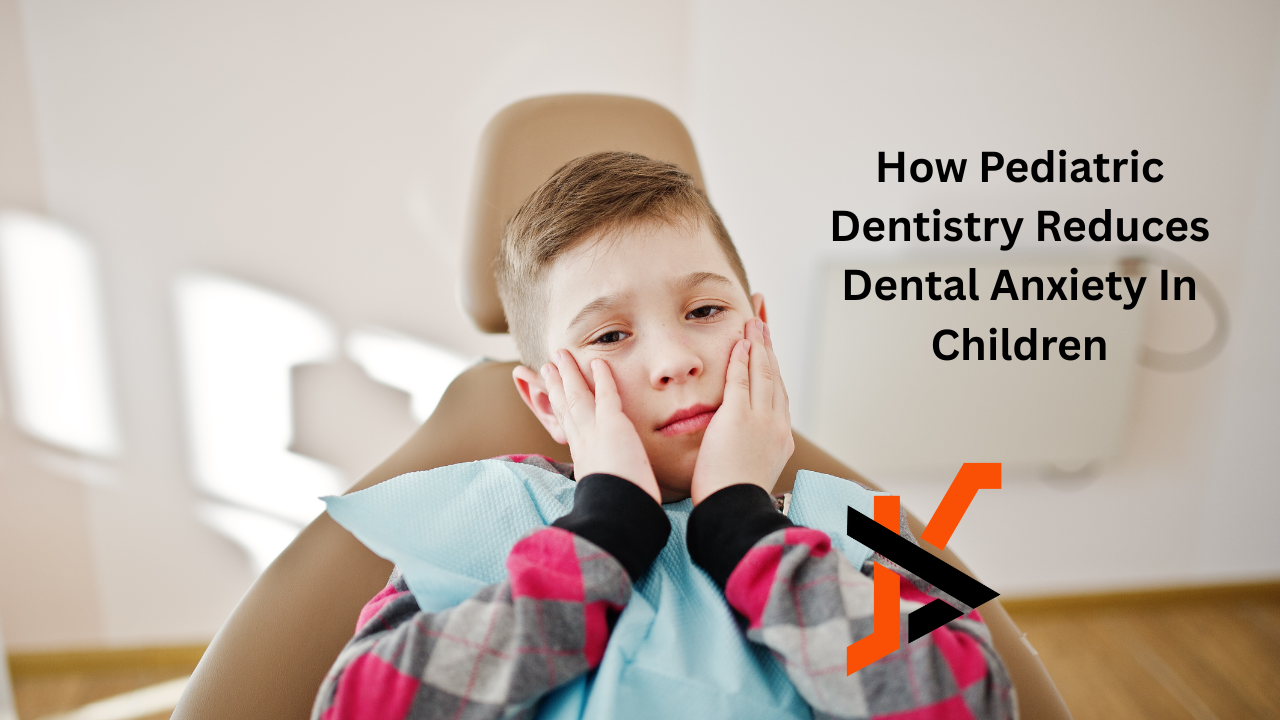
Dental visits can trigger fear in children. You may see tears, clinging, or silence in the waiting room. That reaction is common. It is not a sign of weakness in you or your child. A pediatric dentist understands this fear and works to ease it from the first visit. The office design, gentle language, and simple routines all aim to build trust. Over time, your child can move from dread to calm. This blog explains how pediatric dentistry shapes that change and why it matters for your child’s health. You will learn what to expect, what helps, and how you can support your child before and after appointments. If you are looking for a pediatric dentist Modesto, these same ideas can guide your search and your questions. You and your child do not need to face dental care with fear.
Why Children Feel Fear At The Dentist
Children often fear what they do not know. Dental tools look strange. Dental sounds feel harsh. Your child may also sense your own worry. That alone can raise their fear.
Common triggers include three things.
- Strange sights and sounds in the office
- Fear of pain or needles
- Past bad medical visits
Research from the National Institute of Dental and Craniofacial Research shows that early and calm visits reduce fear and tooth decay. Early care lets your child learn that a dental visit can feel safe.
How Pediatric Dentistry Differs From General Dentistry
Pediatric dentists train for extra years after dental school. They focus on children from infancy through the teen years. That training covers child growth, behavior, and special health needs.
They use methods that match a child’s stage of growth. They also shape the office and visit to reduce fear and build trust.
Key Differences Between Pediatric And General Dental Visits For Children
| Feature | Pediatric Dentist | General Dentist |
|---|---|---|
| Training Focus | Extra training in child growth and behavior | Main focus on adult teeth and needs |
| Office Design | Child sized chairs and simple toys | Standard layout for adults |
| Communication Style | Short words and clear steps for children | Adult terms and faster pace |
| Behavior Support | Planned methods to guide fear and tears | Often less focus on child emotions |
| Prevention Focus | Strong focus on brushing, diet, and habits | More focus on fixing problems |
This design is not for comfort alone. It is a tool that turns fear into trust and lets care move forward.
Office Design That Calms Fear
A pediatric office uses the space to lower stress. You notice this from the door.
- Warm colors and simple art that feel safe
- Books and toys that keep hands busy
- Child sized chairs and dental tools
These details send a message. The space is for your child. Your child belongs here. That sense of fit can lower fear before the visit starts.
Words And Routines That Build Trust
Language can raise fear or lower it. Pediatric dentists choose words that your child can grasp without shock.
- They say “count your teeth” instead of “exam.”
- They say “cleaning sugar bugs” instead of “removing decay.”
- They show each tool before they use it.
This “tell, show, do” pattern is simple. First they tell your child what will happen. Next they show the tool. Then they do the step. That order gives your child a sense of control. Fear drops when a child knows what comes next.
Behavior Methods That Ease Anxiety
Pediatric dentists use clear behavior tools, not guesswork. Three core methods show up in most visits.
- Positive attention. The staff praise small brave acts like opening the mouth or holding still.
- Distraction. The office may use music, short stories, or ceiling art to guide focus away from fear.
- Clear choices. Your child may pick a toothbrush color or a small prize after the visit.
These steps send a strong message. Your child is not a problem to manage. Your child is a partner in care.
When Sedation Or Extra Support Is Needed
Some children still feel sharp fear. Others have special health needs that make dental work hard. In those cases the dentist may suggest sedation or other support.
The American Academy of Pediatrics and the American Academy of Pediatric Dentistry share clear rules for safe sedation. You can ask the dentist to explain the type of sedation, how they watch your child, and how they handle rare problems.
Used with care, sedation can prevent trauma and protect your child’s mouth. You still play a key role in the choice.
Your Role Before The Visit
You have strong power to shape how your child feels about the dentist. You can start with three steps.
- Use calm words. Say “The dentist will help keep your teeth strong.” Avoid scary stories or threats.
- Practice at home. Play “dentist” with a mirror and toothbrush. Take turns being the patient.
- Plan the day. Bring a favorite toy or small blanket. Arrive a bit early so you do not feel rushed.
Your steady tone and clear plan can steady your child.
Your Role During And After The Visit
During the visit, follow the staff lead. If they ask you to sit near the chair, stay where your child can see you. If they ask you to wait in the lobby, trust that this may help your child bond with the care team.
After the visit you can strengthen the progress.
- Notice brave acts. Say what you saw. For example, “You kept your mouth open when it felt hard.”
- Review the steps. Ask your child what part felt easiest and what part felt hard.
- Keep a routine. Regular visits turn the dentist into a normal part of life.
Over time these steps turn fear into a sense of strength. Your child learns that hard things can be faced and handled.
When To Seek Extra Help
If your child still cannot enter the office or has panic signs like shaking or fast breathing, speak with the dentist. You can also talk with your child’s doctor or a child therapist. Strong fear is not a shame. It is a signal that your child needs more support.
With the right team and steady steps, most children can move from fear to calm. Pediatric dentistry gives a clear path. You do not walk it alone.
