

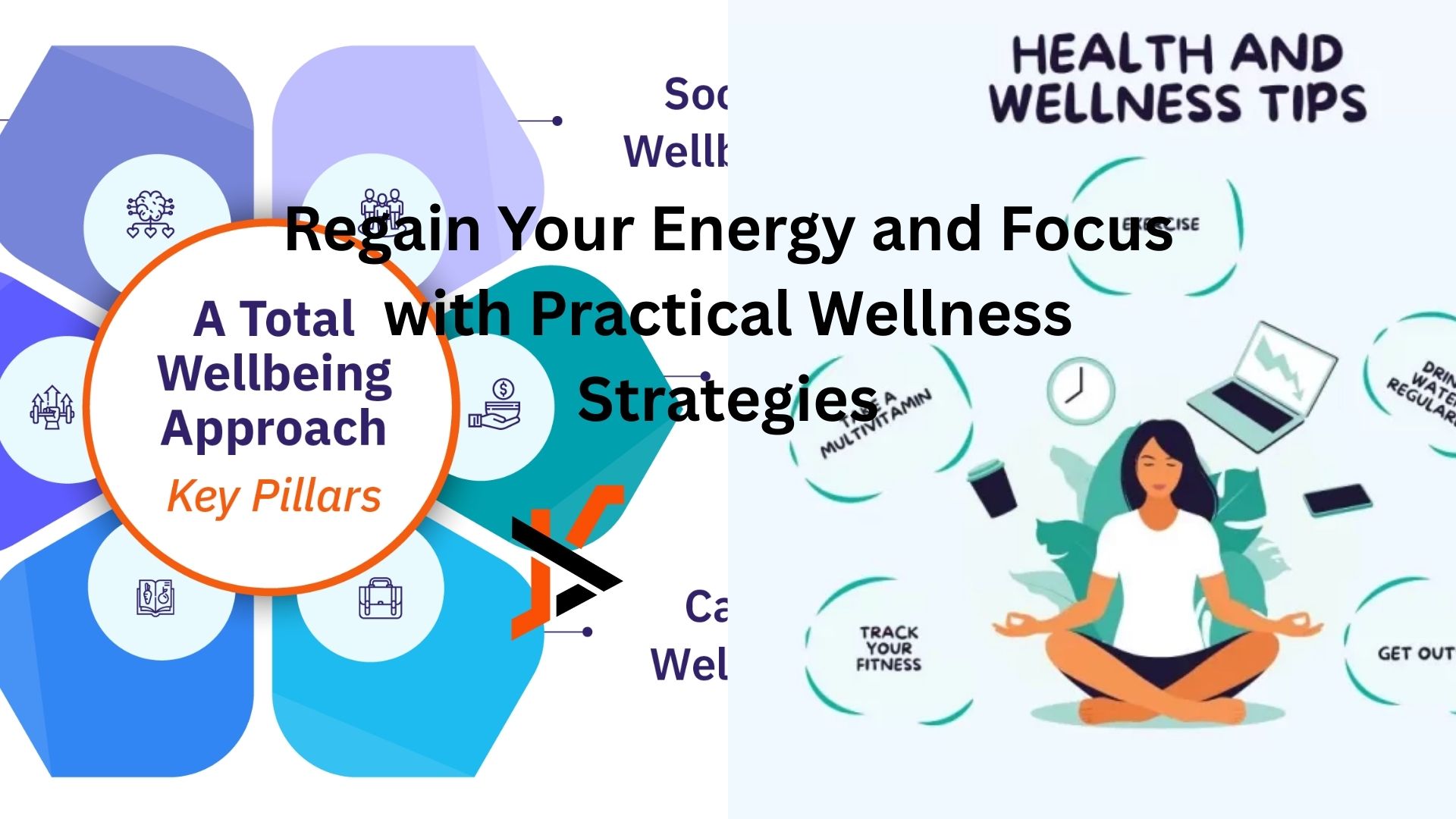
Many professionals notice their energy and focus slipping as responsibilities pile up. Long hours, constant pressure, and poor recovery habits often take a quiet toll. Over time, lack of quality sleep, ongoing stress, and inconsistent nutrition can leave you feeling drained, unfocused, and physically worn down. Real improvement comes from addressing these underlying issues instead of relying on short-term fixes.
Understanding Professional Burnout
Burnout isn’t just feeling tired after a long week. The World Health Organization defines it as a combination of emotional exhaustion, detachment from work, and reduced effectiveness. Research shows that a majority of professionals experience burnout at some point in their careers. When fatigue becomes chronic, it can interfere with memory, judgment, and productivity, creating a loop that’s difficult to escape without deliberate changes.
Common Contributors to Burnout
Several factors tend to work together:
- Excessive workload and limited control: Feeling constantly behind or powerless increases stress hormones and mental strain.
- Inadequate recovery: Skipping breaks and sacrificing sleep prevents the body and brain from fully recharging.
- Poor fueling habits: Missed meals, dehydration, and reliance on processed foods can steadily erode energy levels.
Supporting Energy Through Nutrition and Hydration
Your body needs consistent, quality fuel to function well. Whole foods provide steady energy, help regulate blood sugar, and support mental performance.
Key Nutrients to Prioritize
- Complex carbohydrates: Foods like oats, brown rice, and sweet potatoes release energy gradually and help prevent crashes.
- Lean protein: Chicken, fish, beans, or tofu support muscle repair and sustained fullness.
- Healthy fats: Sources such as nuts, olive oil, and avocado play a role in brain health and focus.
Hydration matters just as much. Even slight dehydration can affect mood, attention, and stamina. A good baseline is about eight cups of water per day, adjusting as needed for activity and climate.
Example of an Energy-Supporting Day
Start with oatmeal topped with fruit and nuts. Lunch could be a large salad with grilled chicken or chickpeas. Dinner might include salmon, quinoa, and roasted vegetables. Between meals, choose simple snacks like fruit or a small handful of nuts.
Structuring Your Day for Better Focus
Daily routines do not need to complicated be effective. Small adjustments can significantly improve how you feel and perform.
Morning Habits
- Get natural light early: Morning sunlight helps regulate your internal clock and improves alertness.
- Add light movement: A brief walk or short stretch session increases circulation and wakes up the brain.
Smarter Workday Practices
- Build in breaks: Short, regular pauses help prevent mental fatigue. Techniques like working in focused intervals followed by brief rest can be effective.
- Plan around energy peaks: Tackle demanding tasks when you feel sharpest, often earlier in the day.
- Reduce interruptions: Turn off nonessential notifications and protect time for focused work.
Managing Stress with Mindfulness
Stress is unavoidable, but it doesn’t have to dominate your day. Mindfulness practices can lower stress hormones and improve concentration when practiced consistently.
Simple Ways to Get Started
- Spend a few minutes each day focusing on slow, steady breathing.
- Release tension through progressive muscle relaxation.
- Write down a few things you’re grateful for to shift attention away from constant pressure.
Knowing When to Get Extra Help
If exhaustion and brain fog continue despite healthy habits, there may be deeper factors involved. Professional evaluations can uncover issues such as nutrient deficiencies, hormonal imbalances, or chronic health concerns.
When self-care alone isn’t enough, a wellness center can offer personalized assessments and targeted support. These services often look beyond symptoms to address sleep quality, stress load, and overall physiological balance.
Building Long-Term Resilience
Lasting energy doesn’t come from drastic changes. It comes from consistency. Gradual improvements in how you eat, move, rest, and manage stress build resilience over time. As energy and clarity return, work feels more manageable, decisions become easier, and both professional and personal life benefit.
