

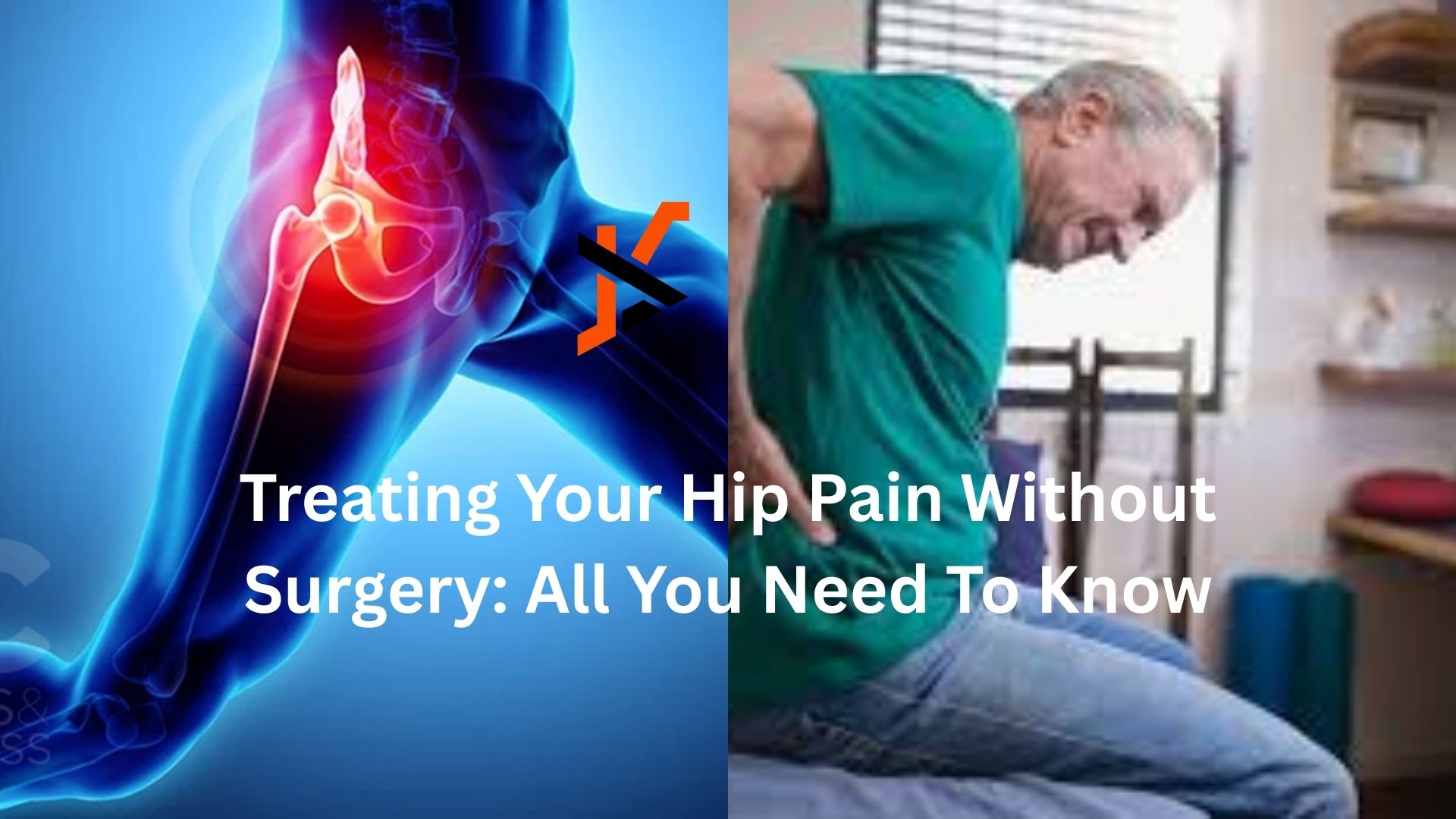
Can you treat hip pain without surgery?
Hip pain is a prison, a condition that prevents you from doing the things you love and makes even the most basic tasks feel impossible. When you face this seemingly inevitable problem, the first thought that races through the mind is to get surgery, a path that feels particularly welcoming after well-meaning loved ones shared their own stories of post-surgery life. But let’s be honest – while surgery is effective, it isn’t a true replacement for the real thing.
The good news is that your hip pain can be easily treated without surgery. Thanks to modern medicine, you have a lot of non-surgical options at your disposal, all of which can improve your quality of life. So, if you are concerned about the prospect of surgery, read on as we explore all your conservative options and understand whether surgery is truly needed in your case.
What conditions can be treated without surgery?
Before you start looking at your treatment options, it’s important to know which hip problems actually respond well to non-surgical care and which simply do not. For instance, osteoarthritis, the most common cause of hip pain in older adults, tends to get worse over time, but many people with mild to moderate arthritis manage the issue for years without surgery.
In a similar vein, bursitis, a condition in which the sacs that cushion your hip joint swell, also improves with non-surgical treatment. Tendinitis, or inflammation of the tendons around the hip, usually improves with similar care. Muscle strains and small labral tears in the hip can also heal or become manageable without surgery.
That said, certain conditions will always require you to seek surgery, even the ones mentioned just now. Severe osteoarthritis, complete hip fractures, or significant structural abnormalities like severe hip dysplasia are things that you can only overcome with the help of surgery. But even then, a hip specialist in London will always exhaust all your conservative options first before recommending surgery.
What are the most effective non-surgical treatments?
Try physiotherapy and targeted exercise
Physiotherapy is often the most effective treatment for hip pain. A lot of studies have proven time and again that working with a physiotherapist can greatly improve pain and movement. Not only that, but these easily manageable sessions can actually uproot the true cause of your pain, and not just cover up its symptoms.
In physiotherapy, you will work with a specialist who creates an exercise plan just for you. This usually includes strengthening the muscles around your hip, especially your glutes and core, to support the joint. You will also do flexibility exercises to improve movement and balance training to help prevent falls. It takes a bit of effort and regular practice to get right, but many people notice less pain once they get stronger and learn better movement habits.
Rely on medications and injections
If your hip pain is making it harder to exercise or sleep, you can always rely on medications to help you get back on track – so long as you don’t overdo it. With over-the-counter medicines like ibuprofen and naproxen, you can reduce hip inflammation and pain, making it easier to do physiotherapy and daily tasks.
On the off chance that your pain is not improving even with other treatments or medications, you can also grab a shot of corticosteroid injections. These are super-strong anti-inflammatory medicines that are injected into the hip joint itself to provide instant relief from the pain. The best part about them is that their effects can last for weeks or months, letting you resume your life with ease.
Just as we use oil in the joints of our vehicles to make them run more smoothly, you have a similar option for your hip joints: hyaluronic acid injections. The aim of these injections is simply to lubricate the joint and help reduce pain. While the effect of these injections is still being studied, a lot of people so far have reported significant improvements in their pain level after taking them.
Manage your weight
To put it quite frankly, extra weight puts more pressure on your hip joint. If you can shed even as much as ten pounds of extra weight from your body, it can take up to fifty pounds worth of pressure off your hips.
A bit of change in how you stay active can also help reduce pressure on your hip joint. For instance, if you switch from activities like running to less intense options like swimming or cycling, you can still reduce stress on your hips while maintaining an active lifestyle.
Also, don’t treat it like you’re quitting something you love – try to think of it as having the opportunity to learn new ways of staying active. That tiny shift in your mindset can go a long way toward keeping you mentally and emotionally well for years to come.
Use simple treatments and assistive devices to keep the pain at bay
Here’s a rule of thumb – the simpler the treatment, the more helpful it may be for your situation. Something as simple as heat therapy can do wonders for your tight muscles and improve blood flow to the hips, while a bit of ice can help reduce the chances of swelling and inflammation after working out. You should try to couple this with walking aids, such as canes or crutches, which can be very helpful during painful periods, allowing your hip to rest without stopping all movement.
When does conservative treatment work best?
Look, conservative treatments can only work their magic if you start them early – when the hip pain first begins and before its true cause has progressed from mild to severe. Not only that, but whatever treatment you’re prescribed, you need to do them with diligence, consistency, and a lot of patience. These treatments are slow and test your mental health, but they really can work if you’re just starting to experience hip pain.
That being said, conservative care clearly isn’t for everyone either, as we’ve established so far. If your hip pain is severely affecting your quality of life and you can no longer perform your tasks properly, then it’s high time that you seek surgery. Similarly, if you’ve genuinely tried conservative treatment for several months without improvement, it may be time to discuss surgical options with your hip doctor.
Wrapping up
At the end of the day, the main point tying all this together is that surgery is never your first line of defence against hip pain, but it will be if you take too long to get help. With a good mix of physiotherapy, medications, lifestyle changes, and supportive care, you can indeed handle your symptoms with ease and maintain a high quality of life for years to come. But don’t engage in all conservative treatments by yourself – first, make an appointment with a good specialist who can properly assess the situation and help you with planning the next steps forward. Remember: Your hip pain does not define your life. With the right approach and professional guidance, you can get back to doing the things you love – all without ever going under the knife.
