

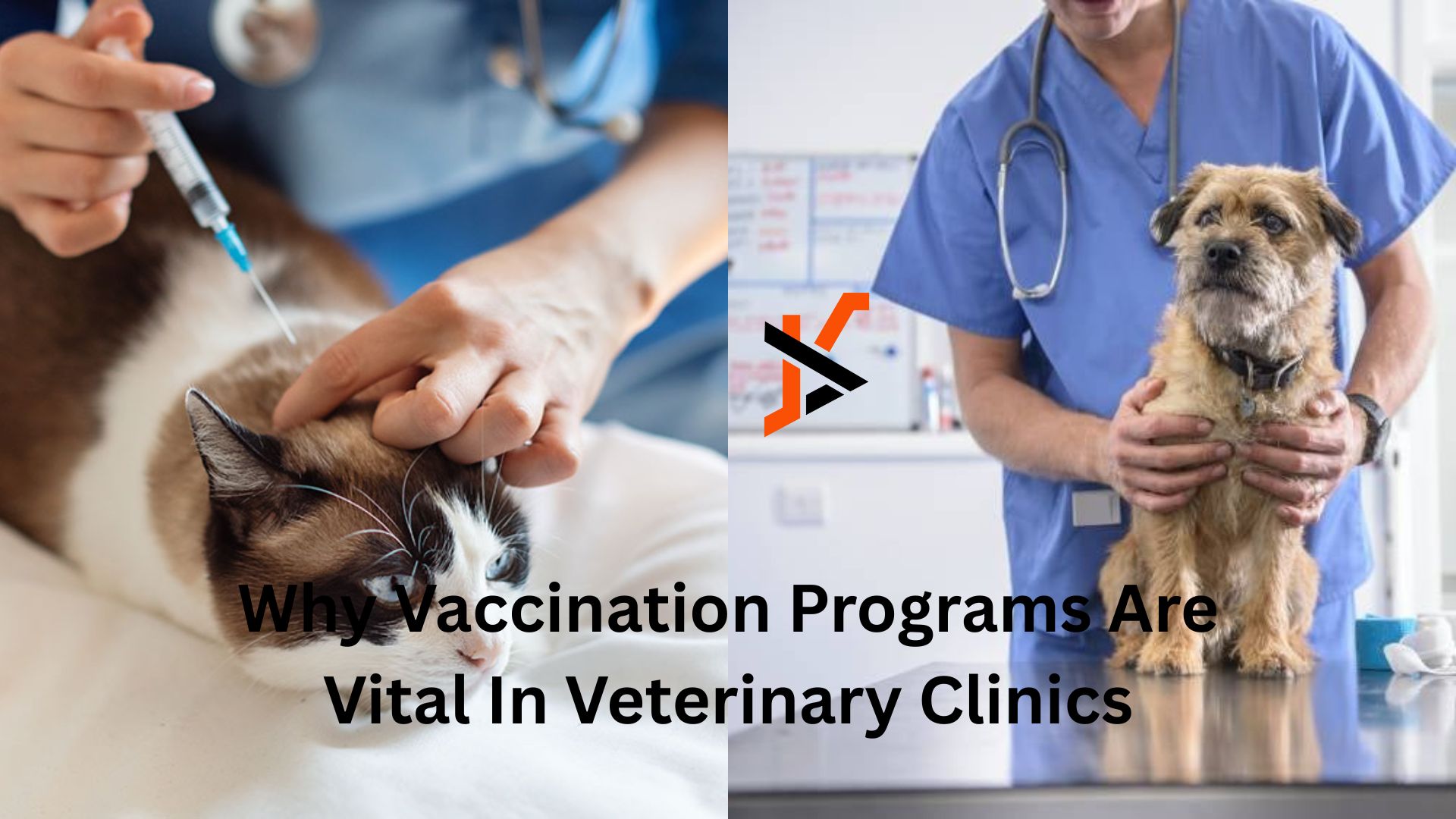
Vaccination programs in veterinary clinics protect the animals you love and the people who care for them. You face real threats from diseases that spread fast and hit hard. Some infections cause pain. Others lead to death. Many spread to people. You cannot see these germs. You often notice them only after damage starts. That is why prevention matters more than treatment. When you keep vaccines on schedule, you cut risk, reduce suffering, and lower costs. You also protect pets that cannot receive some shots because of age or health limits. Every clinic, from a small rural practice to a busy veterinarian in Houston, TX, depends on strong vaccine routines to guard pets, staff, and families. This blog explains why these programs are the backbone of safe veterinary care, what happens when clinics let them slide, and how you can support better protection for every animal.
How Vaccines Protect Your Pet And Your Family
Vaccines train your pet’s body to fight germs before those germs cause harm. The shot exposes the immune system to a safe form of a virus or bacteria. The body then builds a shield. Later, when your pet meets the real germ, the body is ready. Illness is less likely. If sickness does happen, it is often milder and shorter.
Some diseases pass from pets to people. These are zoonotic diseases. Rabies is the clearest example. A single rabid animal can put a whole neighborhood at risk. By keeping pets vaccinated, clinics cut that threat. You protect your children, older adults, and anyone with weak immunity.
You also protect workers who touch many animals each day. Kennel staff, groomers, and clinic teams face repeated exposure. A strong vaccine program in every clinic reduces outbreaks that can shut services and cause deep fear in your community.
Core Vaccines Versus Lifestyle Vaccines
Not every pet needs every vaccine. Yet every pet needs some. Veterinary teams use two main groups. These help you understand what is non negotiable and what depends on risk.
| Type | Who Needs It | Examples for Dogs | Examples for Cats |
|---|---|---|---|
| Core vaccines | All healthy pets, regardless of lifestyle | Rabies, Distemper, Parvovirus, Adenovirus | Rabies, Panleukopenia, Calicivirus, Herpesvirus |
| Lifestyle vaccines | Pets with higher exposure risk | Leptospirosis, Bordetella, Lyme disease, Canine influenza | Feline leukemia virus (FeLV) for at risk cats |
You and your veterinarian look at three things.
- Where your pet lives
- Where your pet travels
- Which animals your pet meets
A dog that visits parks, daycare, or boarding needs stronger protection. A strictly indoor cat still needs core vaccines. Doors open. Windows fail. Pets escape. A single bite or shared bowl can change everything.
What Happens When Clinics Skip Strong Vaccine Programs
When clinics do not keep up with vaccines, disease returns. Outbreaks of parvovirus, distemper, or feline panleukopenia can sweep through shelters and neighborhoods. Puppies and kittens die first. Treatment is intense, costly, and often fails.
You also face hidden costs.
- Higher medical bills for hospital stays and lab tests
- Lost work time when you care for a sick pet at home
- Deep grief if a preventable disease takes your pet’s life
Stronger vaccine programs stop these patterns. According to the Centers for Disease Control and Prevention, rabies vaccination of pets has sharply reduced human rabies cases in the United States. That success rests on clinic level routines that never relax.
Why Your Pet’s Vaccine Schedule Matters
Vaccines work best on a schedule. Puppies and kittens need a series of shots. Adult pets need boosters. If you miss visits, the shield can fade. Your pet may no longer have enough protection when disease strikes.
Most schedules follow three steps.
- Start early. First puppy or kitten shots often begin at 6 to 8 weeks of age.
- Repeat on time. Boosters come every 3 to 4 weeks until around 16 weeks.
- Maintain for life. Adult boosters follow every 1 to 3 years, depending on the vaccine and local law.
The American Veterinary Medical Association gives guidance on vaccine use and disease risks. You can use that information to prepare questions before each visit.
How Clinics Build Safe And Trustworthy Vaccine Programs
Strong clinics do more than give shots. They build systems that protect you and your pet at every step.
- They track each pet’s history and send reminders before shots are due.
- They store vaccines at the correct temperature and check dates.
- They train staff to handle vaccines and record use.
- They separate sick and healthy animals in the building.
- They clean exam rooms, kennels, and tools after each use.
These routines reduce mistakes and keep every dose safe. You may not see all this work, yet you feel the result when your pet stays healthy year after year.
What You Can Do To Support Strong Vaccine Programs
You share the responsibility. Your choices can strengthen or weaken the safety net for your community.
- Keep your pet’s vaccine records in a safe place and bring them to every visit.
- Ask your clinic to explain which shots are core and which are lifestyle.
- Tell staff about travel plans, boarding, grooming, or dog park visits.
- Watch your pet after each shot and report any odd reaction at once.
- Support shelters and low cost clinics that provide vaccines in your community.
When you follow through, you protect your pet and help shield other animals that share the same parks, sidewalks, and homes.
The Bottom Line For Your Pet’s Safety
Vaccination programs in veterinary clinics are not an extra service. They are the front line of defense against disease, pain, and loss. Each shot is a small act that prevents a large crisis. When clinics maintain strong programs and you keep your pet on schedule, you reduce suffering, control costs, and protect your family.
You cannot control every threat that moves through your town. Yet you can choose to close the door on many of the worst ones. Talk with your veterinary team. Review your pet’s vaccine plan. Then commit to it. Your pet’s steady heartbeat, clear eyes, and quiet rest are the reward.
