

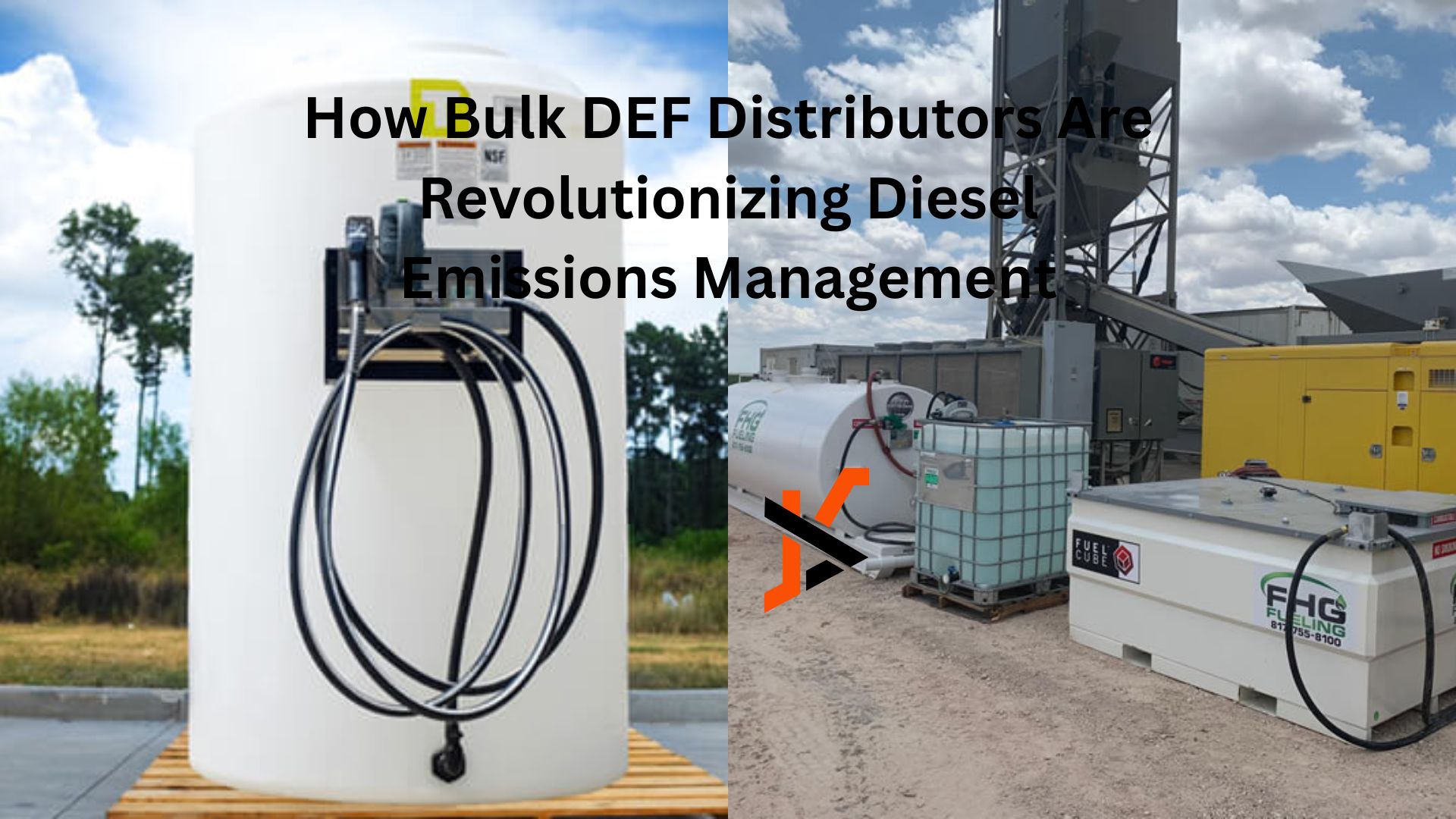
The rising concern over environmental sustainability and stringent government regulations has significantly shifted the landscape of the diesel industry. A pivotal development in this regard is the role of bulk def distributors in revolutionizing diesel emissions management. By providing Diesel Exhaust Fluid (DEF) at scale, these distributors are assisting in the compliance with emissions standards aimed at reducing the environmental impact of diesel engines.
Understanding Diesel Exhaust Fluid (DEF)
Diesel Exhaust Fluid is a crucial component in the reduction of harmful emissions from diesel engines. It is a non-toxic solution comprised of purified water and synthetic urea. When infused into the exhaust stream of a diesel engine via a selective catalytic reduction (SCR) system, DEF helps convert nitrogen oxides into harmless nitrogen and water vapour.
The Role of Bulk DEF Distributors
Bulk DEF distributors play an essential role in the supply chain, providing an efficient delivery of DEF to various sectors, including transport, agriculture, and construction. Their ability to supply large volumes of DEF not only streamlines operations but also ensures a consistent availability of the fluid to meet the demands of high-volume consumers.
Enhancing Operational Efficiency
One of the primary benefits offered by bulk DEF distributors is the enhancement of operational efficiency. By securing DEF in bulk, companies can reduce the frequency of ordering and transporting individual DEF containers. This efficiency translates into cost savings and reduced resource allocation, allowing companies to focus on their core operations.
Environmental Impact and Compliance
Through the widespread adoption of DEF provided by bulk distributors, significant strides have been made in the environmental compliance of diesel engines. This development means that businesses can easily meet environmental regulations aimed at reducing nitrogen oxides, thereby contributing to improved air quality and public health.
Cost Advantages
Purchasing DEF in bulk presents several cost advantages for businesses. Wholesale buying often means reduced prices per litre, as well as potential savings on packaging and shipping costs. Over time, these financial benefits can substantially impact a company’s bottom line.
Technological Advancements in DEF Distribution
Technological advancements have played a critical role in improving the efficiency of bulk DEF distribution. Innovations in storage solutions, such as temperature-controlled environments and advanced tank monitoring systems, ensure that the DEF maintains its purity and effectiveness during transport and storage.
Meeting Sector-Specific Needs
Bulk DEF distributors cater to the specific needs of various industries. For instance, in the agricultural sector, where machinery is often used intensively for prolonged periods, the availability of bulk DEF ensures that farmers can maintain compliance without disrupting their operations.
Supporting Sustainable Practices
By utilising DEF from bulk distributors, industries contribute to the global initiative for sustainable practices. Reducing harmful emissions aligns with environmental policies and reflects a corporate responsibility towards ecological preservation.
The Role of the Government and Regulation
Governmental policies and regulations have propelled the need for efficient DEF distribution. Regulatory bodies require stringent compliance with emission standards, making the role of bulk DEF distributors critical in ensuring these requirements are effortlessly met.
Innovations in Delivery Systems
Innovative delivery systems like dedicated DEF dispensers and mobile delivery services have been developed to improve the accessibility and convenience of bulk DEF distribution, ensuring that end-users receive their supply promptly and efficiently.
Challenges in the DEF Distribution Market
Despite numerous benefits, the DEF distribution market faces challenges, including maintaining quality during transport and adapting to fluctuations in demand. Overcoming these challenges requires ongoing innovation and vigilance by distributors.
Future Trends in DEF Distribution
Future trends in the DEF distribution industry are likely to include further technological advancements and improvements in logistics. Developments in supply chain management are expected to optimise deliveries, further enhancing the reliability and efficiency of DEF distribution.
Conclusion
Bulk DEF distributors are fundamentally altering the landscape of diesel emissions management. Through improved efficiency, reduced costs, and enhanced compliance with environmental standards, these distributors are pivotal in leading the charge towards a more sustainable diesel industry.
In conclusion, as the demand for sustainable practices continues to increase, the role of bulk def distributors remains critical not only in meeting regulatory compliance but also in supporting the global environmental agenda.
