

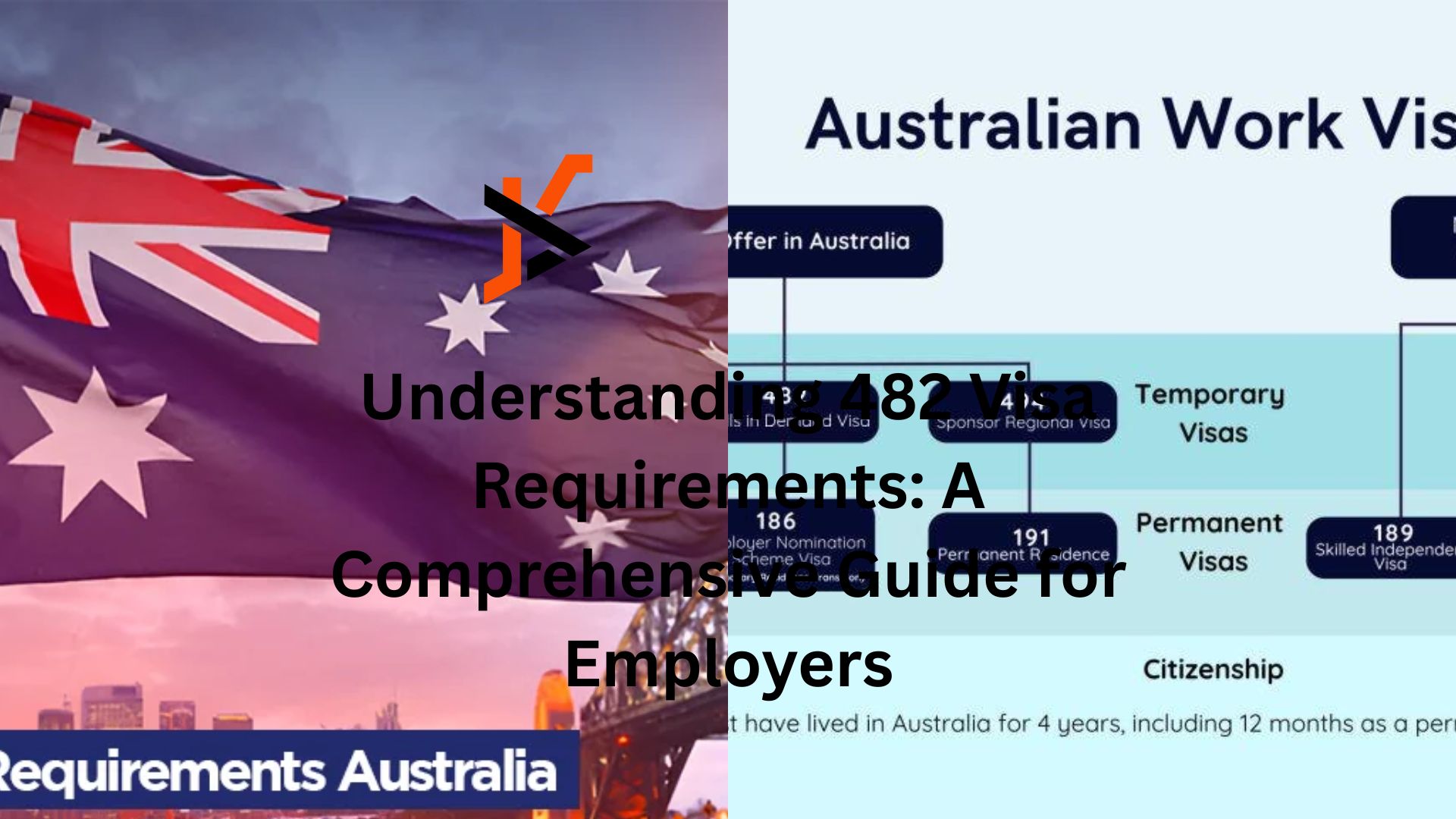
The 482 visa, also known as the Temporary Skill Shortage (TSS) visa, plays a vital role in supporting Australian businesses by allowing employers to address labour shortages. By bringing skilled workers from overseas into Australia, this visa category helps in filling positions when suitably skilled Australian residents are not available. Understanding the 482 visa requirements is crucial for employers wishing to streamline this process.
What is the 482 Visa?
The 482 visa enables Australian employers to sponsor foreign workers for a period ranging from one to four years. Employers can use this visa to hire qualified individuals who possess the skills necessary for occupations listed on the Skilled Occupation List (SOL). This visa was introduced to replace the previous 457 visa, with modifications aimed at improving the system and enforcing tighter regulations.
Key Eligibility Criteria for Employers
Employers must meet specific requirements to sponsor workers under the 482 visa. Firstly, they need to be a certified sponsor, which can be a standard business sponsor or an accredited sponsor. Being accredited provides benefits such as priority processing of applications. Additionally, the business must demonstrate a commitment to sponsoring the overseas workers for positions that cannot be filled by local labour.
The Employer Nomination Process
The nomination process requires employers to clearly identify the position they wish to fill, ensuring it matches an occupation on the SOL. The role should align accurately with the tasks and requirements listed under the relevant occupation. Employers must prove the position is genuine and essential to the operations of their business, supported by evidence of labour market testing in many cases.
Obligations of the Employers
Under the 482 visa program, employers have several obligations they must adhere to. These include providing equivalent terms and conditions of employment as offered to Australian workers holding similar positions. This parity ensures fairness and compliance with Australian labour standards. Employers must also pay the Skilling Australians Fund (SAF) levy, which contributes to the training of Australian workers.
Labour Market Testing Requirements
Labour market testing (LMT) is a critical component of the 482 visa requirements. It involves advertising the job position locally in Australia for a specified period to test if there are suitably qualified and available Australian workers. Exceptions to this requirement are limited and prescribed clearly by the Department of Home Affairs.
Understanding the Streams of 482 Visa
The 482 visa has three streams: the Short-Term stream, Medium-Term stream, and Labour Agreement stream. Each stream applies to different occupational needs and business circumstances. Employers need to carefully consider which stream aligns with their requirements when sponsoring workers as each stream has distinct criteria and durations of stay.
Short-Term Stream
The Short-Term stream caters to occupations listed on the Short-Term Skilled Occupation List (STSOL). It generally permits stays of up to two years and requires genuine temporary entrant criteria to be met.
Medium-Term Stream
This stream suits occupations on the Medium and Long-Term Strategic Skills List (MLTSSL) or the Regional Occupation List (ROL), allowing up to four years of employment. This option offers a pathway to permanent residency, subject to meeting specific eligibility criteria.
Labour Agreement Stream
Tailored for occupations not covered by the above lists, the Labour Agreement stream requires the employer to have a labour agreement with the Australian government. This stream typically applies to very specialised fields or unique labour market needs.
Cost Implications for Employers
Sponsoring a worker on a 482 visa encompasses various costs including sponsorship application fees, nomination fees, and the SAF levy. Employers must also consider additional costs if they choose to support the worker in obtaining Australian permanent residency in the future.
Compliance and Monitoring
Employers need to comply with Australian employment laws and immigration regulations rigorously. The Department of Home Affairs undertakes monitoring to ensure compliance. Non-compliance can lead to penalties, revocation of sponsorship status, or reputational damage.
Post-Visa Application Support
Providing post-visa application support to sponsored employees is a best practice for employers, aiding in smooth transition and integration. Support can include assistance in finding accommodation, settling into the community, and understanding cultural nuances, all of which enhance the likelihood of a successful employment relationship.
Conclusion
Comprehending the intricacies of 482 visa requirements is essential for employers looking to successfully navigate the visa sponsorship process. By adhering to legal obligations and considering the broader implications, businesses can leverage this visa to enhance their workforce.
For more information on navigating the 482 visa process, consider consulting specialists such as Wintr Consulting who can provide tailored advice and support.
