

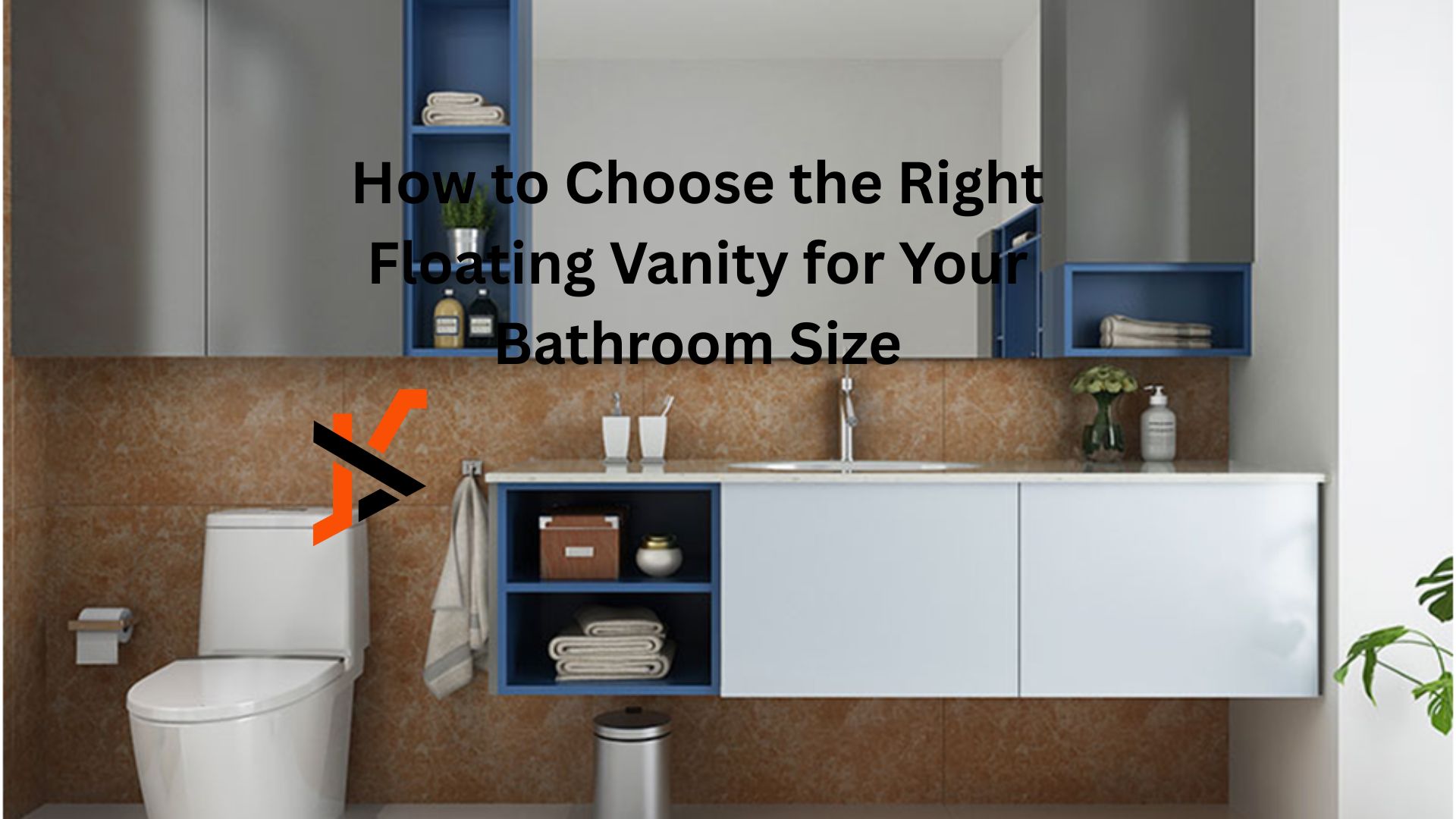
Often referred to as the sanctuary of the home, the bathroom is now more than just a functional space. It is a place that reflects your style and personal taste. And when it comes to bathroom design, the vanity plays a starring role—especially floating vanities, which have taken the design world by storm in recent years.
But here’s the thing: choosing the right floating vanity isn’t just about picking something that looks good. It’s about finding the perfect match for your bathroom size. Too large? Your space feels cramped and claustrophobic. Too small? The vanity gets lost, and you’re left wishing for more storage. That’s for real.
So how do you accomplish it? Let’s dive into the essential considerations that will help you select a floating vanity that complements your bathroom perfectly.
Understanding Floating Vanities
Before we get into the nitty-gritty of sizing, let’s talk about what makes floating vanities so appealing. These wall-mounted beauties create an illusion of more space by exposing the floor beneath them. Light bounces around the room differently, making even compact bathrooms feel more open and airy. The handleless design often seen in modern floating vanities lends a seamless appearance—simple yet stunning.
For years, this style has dominated contemporary bathroom design, often linked with a modern European aesthetic. But floating vanities aren’t just about looks. They’re incredibly practical too, making floor cleaning a breeze and offering flexibility in installation height.
Small Bathrooms: Maximizing Every Inch
Getting into trouble with small bathroom design? Don’t worry, we have you covered.
In compact spaces, every decision matters. For a small bathroom, it is highly advisable to choose a floating vanity that doesn’t overwhelm the space while still providing adequate storage. Think 24 to 36 inches in width—this range hits the sweet spot for most powder rooms and small bathrooms.
Single-sink floating vanities work brilliantly here. The elevated design makes the room appear larger by revealing floor space, and when paired with a mirror, the effect is even more dramatic. Light colors and glossy finishes? They’re your best friends in tight quarters. High-gloss white or light gray cabinets reflect light beautifully, creating an outstanding modern look that opens up the space.
Wall-to-wall floating vanities can also be a fantastic alternative for narrow bathrooms. Despite taking up the entire wall length, the floating installation prevents that closed-in feeling. The key is keeping the depth shallow—around 18 inches works perfectly. You maintain functionality without sacrificing precious walking space.
Some may think dark-colored vanities are not an appropriate color choice for small bathroom design, while actually, they can make things much different with some complementary highlights. A dark vanity against white walls creates stunning contrast while the floating design prevents the space from feeling heavy.
Medium-Sized Bathrooms: Finding the Balance
Is medium bathroom design challenging? Well, not always. As a pro, OPPEIN has the perfect match for various floor plans, and medium bathrooms offer the most flexibility.
For bathrooms measuring roughly 50 to 100 square feet, you’ve got options! Floating vanities between 36 and 60 inches work beautifully, giving you room to explore both single and double-sink configurations. This is where you can really express your personal style without worrying too much about spatial constraints.
Consider the layout carefully. An L-shaped bathroom might benefit from a corner floating vanity, maximizing space perfectly while creating an interesting visual element. The modular design can be arranged to utilize every corner efficiently, ensuring that each inch of the room would be utilized to its full potential.
Double-sink floating vanities start making sense in this size range, particularly if the bathroom serves multiple people. A 60-inch vanity with dual sinks provides adequate elbow room while maintaining the sleek, modern appearance that makes floating vanities so desirable. The wall-mounted design keeps things feeling spacious even with the increased width.
Storage becomes less of a concern here too. You can opt for floating vanities with open shelving underneath—a fantastic choice if you want to display decorative items or keep frequently-used towels within reach. However, if you are sloppy and find visual clutter annoying, reconsider. Closed cabinet designs might suit your needs better.
Large Bathrooms: Making a Statement
Never underestimate the opportunity that a spacious bathroom provides. There is a reason why luxury bathrooms with floating vanities remain popular—they combine elegance with functionality in ways that traditional vanities simply cannot match.
In large bathrooms, floating vanities can span 72 inches or more. Double-sink configurations become the standard, and you can explore luxury materials like solid wood from Foshan furniture manufacturers, known for their exceptional craftsmanship. Solid wood is an excellent choice for high-end bathroom vanities, as it is the most valuable material and brings natural warmth to the space.
The sophisticated combination of materials, light and shades, bright and dark, makes these vanities a peak of luxury design. You might incorporate a built-in makeup station or even create a vanity wall with multiple sections—one for each person using the bathroom.
Even in a large bathroom, there should not be any wasted space. Therefore, consider extending the floating vanity across an entire wall, incorporating storage towers at the ends. This creates visual continuity while providing practical benefits. The floating installation maintains that sense of openness despite the vanity’s substantial size.
Custom configurations really shine in spacious bathrooms. Floating vanities constructed just for your space maximize both form and function, though they may be expensive. The investment pays off in creating exactly what you envision.
Practical Considerations Beyond Size
Looking for ideas beyond just measurements? This collection of considerations is sure to inspire you.
Height Matters! Standard floating vanities sit at 30-36 inches from the floor, but here’s where customization becomes important. Taller individuals might prefer 36 inches, while shorter people find 30-32 inches more comfortable. Know yourself—when it comes to functional bathroom designs, choose function above aesthetics for the most useable result.
Depth Decisions: Most floating vanities range from 18 to 21 inches deep. Smaller bathrooms benefit from shallower vanities, while larger spaces can accommodate deeper units with more counter space and storage capacity.
Wall Structure: This is crucial. Floating vanities require proper wall support—typically blocking behind the drywall during construction or installation of heavy-duty anchors. Verify your wall can handle the weight before falling in love with that gorgeous marble-topped vanity!
Conclusion
With the above information at hand, you should not experience a hard time choosing the right floating vanity for your bathroom size. The perfect vanity balances your space constraints with storage needs, aesthetic preferences, and practical requirements.
Whether you’re working with a cozy powder room or a sprawling master bathroom, floating vanities offer versatility that traditional vanities cannot match. The key is honest assessment of your space and needs, followed by careful selection based on those realities.
All designed with care, all feel terrific when you get it right!
