

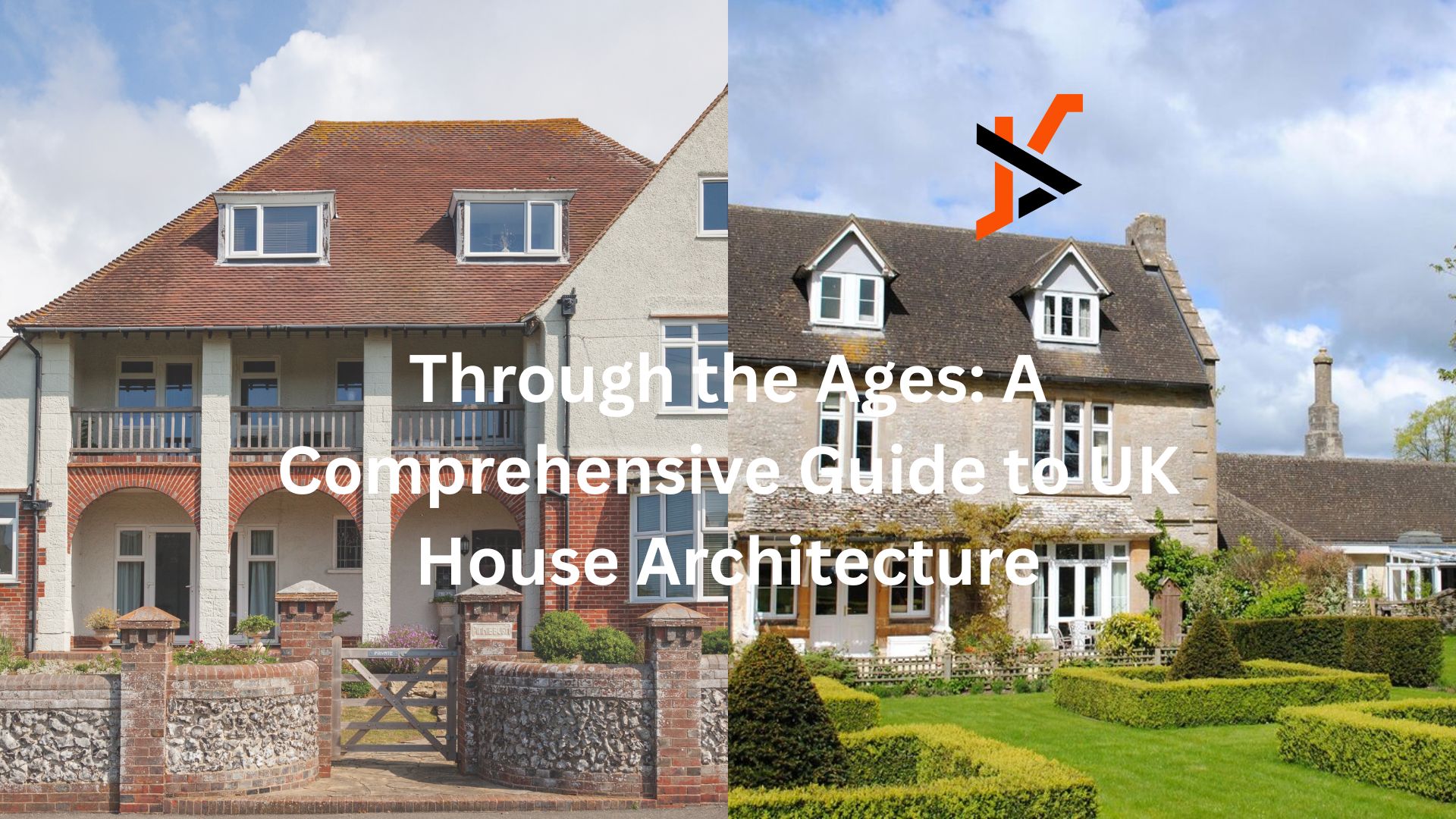
Walking down a British street is like walking through a history book. From the black-and-white charm of Tudor cottages to the symmetrical grandeur of Georgian townhouses, the built environment of the United Kingdom is incredibly diverse. However, while we often admire the aesthetic beauty of these structures, we rarely think about the sheer physics involved. Have you ever stopped to wonder how heavy is a house?
It might seem like an odd question, but the answer is deeply tied to the history of design. The materials that dictate this weight—the dense limestone of a Cotswold cottage, the heavy slate of a Victorian roof, or the solid red brick of a 1930s semi—are exactly what define the character and durability of UK house architecture.
Whether you are a prospective buyer, a history enthusiast, or a homeowner looking to renovate, understanding the evolution of British homes helps you appreciate the walls you live within. Let’s take a journey through the architectural eras that built Britain.
The Tudor Era (1485–1603): The Timber Frame
When we think of the quintessential “chocolate box” English village, we are usually picturing Tudor architecture. These homes are instantly recognizable by their “magpie” aesthetic—exposed black timber frames filled in with white wattle and daub (a mixture of wet soil, clay, sand, and straw).
Key Features:
- Exposed Beams: Structural wood left visible on the exterior and interior.
- Thatched Roofs: Originally made from water reed or straw.
- Jetting: Upper floors that overhang the ground floor to maximize space in narrow streets.
- Lead Windows: Small casement windows held together by lead strips.
The Georgian Period (1714–1830): Symmetry and Proportion
Moving away from the whimsical, organic shapes of the Tudor era, Georgian architecture was all about elegance, symmetry, and space. Heavily influenced by classical Roman and Greek architecture, these homes were built during a time of increasing wealth in cities like London, Bath, and Edinburgh.
Key Features:
- Symmetry: If you draw a line down the middle of the house, both sides usually mirror each other.
- Sash Windows: Tall, sliding windows with smaller panes (often six over six).
- Brick and Stone: A move away from timber toward substantial brickwork and stucco rendering.
- Parapet Roofs: Roofs were often hidden behind a low wall to create a clean, rectangular silhouette.
The Victorian Era (1837–1901): The Industrial Boom
The Victorian era saw a massive explosion in house building due to the Industrial Revolution. With railways making the transport of materials easier, bricks and Welsh slate became available nationwide. This is the most common type of UK house architecture found in cities today, ranging from sprawling detached villas to long rows of terraced housing for factory workers.
Key Features:
- Bay Windows: Designed to let in more light and create internal space.
- Patterned Brickwork: Coloured bricks used for decoration.
- Ornate Details: Decorative ridge tiles, stained glass in doors, and intricate iron railings.
- High Ceilings: Even modest terraces often featured high ceilings with decorative plaster cornicing.
The Edwardian Era (1901–1910): Light and Air
Following the death of Queen Victoria, architecture took a breath. Edwardian homes were a reaction against the dark, cluttered interiors of the Victorian age. These houses were often built in the new “garden suburbs” on the outskirts of cities, allowing for wider plots and more greenery.
Key Features:
- Wider Hallways: A focus on creating a welcoming entrance.
- Mock-Tudor Cladding: A revival of timber framing on gables (black and white details) for decoration rather than structure.
- Lighter Rooms: Simple internal decorations and wider windows.
- Front Gardens: Houses were set back from the street to allow for privacy.
The 1930s Semi and Post-War Modernism
Between the wars, the semi-detached house became the icon of British suburbia. Often featuring curved bay windows and pebbledash exteriors, these homes prioritized family living. Following World War II, architecture shifted toward function and speed, leading to non-traditional construction methods, high-rise brutalism, and eventually, the eco-conscious modern new builds we see today.
The Weight of History: Materials Matter
Returning to our earlier question—how heavy is a house?—the answer highlights the uniqueness of British construction. An average modern timber-framed home might weigh around 80,000 to 160,000 pounds (40 to 80 tons). However, traditional UK homes are significantly heavier.
Because UK house architecture relies so heavily on masonry (double-skin brick walls, clay tiles, and slate), a standard British Victorian terrace is a dense, heavy structure designed to retain heat and withstand damp climates. This “heavy” construction is why 150-year-old British houses are still standing strong today, while lighter structures elsewhere might have perished.
Conclusion
From the crooked beams of a Tudor farmhouse to the clean lines of a modern new build, the architecture of the UK tells the story of how we used to live and how we live now. Each style offers unique challenges and charms for the modern homeowner.
Whether you are trying to restore period features in a Georgian townhouse or looking for ways to add warmth to a minimalist modern home, getting the details right is essential. For expert advice on making your house a home, visit Home Comfort Experts at homecomfortexperts.co.uk. From the latest home design trends and home decor inspiration to practical home improvement tips, Home Comfort Experts provides the resources you need to create a living space that is as functional as it is beautiful.
