

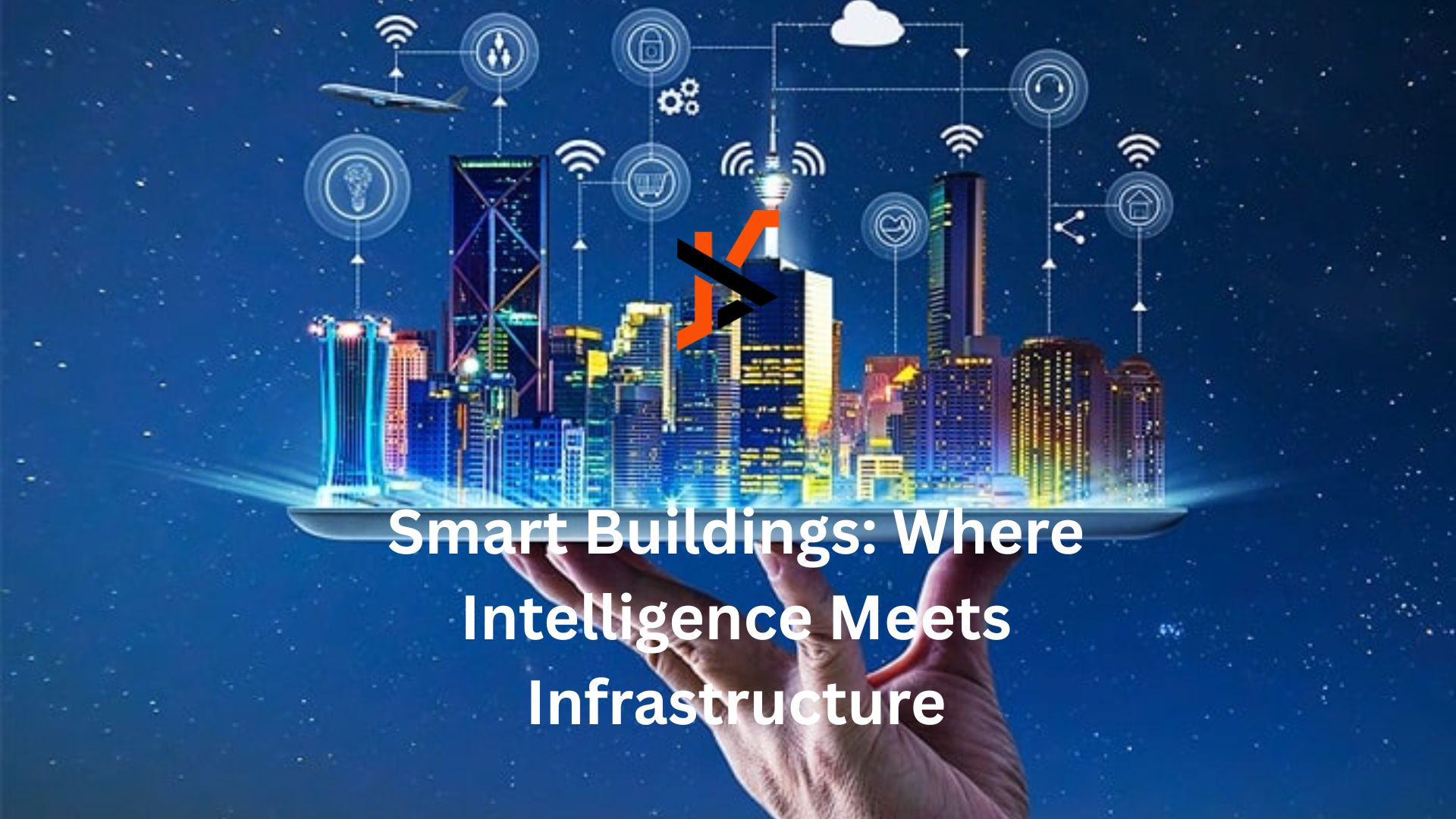
The built environment is undergoing one of the most important transformations in modern history. Buildings are no longer static structures made only of concrete, steel, and glass. They are becoming intelligent systems that sense, analyze, and respond to the needs of people and operations in real time. At the center of this shift are smart buildings, a concept that blends digital intelligence with physical infrastructure to create spaces that are efficient, adaptive, and future-ready.
From offices and hospitals to airports and residential towers, intelligence is being woven directly into infrastructure. This evolution is not driven by hype but by real demands: energy efficiency, occupant comfort, operational transparency, and long-term sustainability. Understanding how this transformation works and why it matters is essential for anyone involved in the modern built environment.
The Evolution from Traditional to Intelligent Structures
For decades, buildings relied on isolated systems. Lighting, heating, security, and energy management often operated independently, requiring manual oversight and reactive maintenance. While functional, this approach limited efficiency and visibility.
The shift toward intelligent infrastructure began when digital connectivity and sensors became more accessible. Instead of working in silos, systems started communicating with each other. Data replaced guesswork. Decisions that once took days or weeks could now happen in seconds.
Today, smart buildings represent the natural next step in this evolution. They are designed to continuously learn from their environment and adjust performance accordingly. This shift is not about adding more technology for its own sake but about creating a unified, responsive ecosystem.
What Defines a Smart Building
At its core, a smart building integrates physical systems with digital intelligence. It collects data from multiple sources, analyzes it, and uses insights to improve performance across the entire structure.
Key characteristics typically include:
- Connected systems that share data across platforms
- Sensors that monitor conditions such as temperature, occupancy, and air quality
- Automation that optimizes operations without constant human input
- Centralized dashboards that provide real-time visibility
What makes these buildings truly intelligent is not the presence of technology alone but how seamlessly it is integrated into daily operations. The goal is to make the building work smarter in the background while users experience greater comfort and reliability.
Intelligence Embedded into Infrastructure
Infrastructure has traditionally been passive. Pipes carried water. Wires carried electricity. Walls divided space. Intelligence changes this dynamic by turning infrastructure into an active participant.
For example, lighting systems can adjust automatically based on natural daylight and occupancy. HVAC systems can respond to real-time usage patterns instead of fixed schedules. Elevators can optimize routes during peak hours to reduce wait times and energy consumption.
This embedded intelligence allows infrastructure to support operational goals rather than simply enable them. Over time, the building becomes more efficient, resilient, and aligned with how it is actually used.
The Role of Data in Smarter Environments
Data is the foundation that allows smart buildings to function effectively. Sensors and connected devices generate vast amounts of information every day. On its own, raw data has limited value. The real power comes from analysis and interpretation.
Modern platforms transform data into actionable insights. Facility managers can see energy usage patterns, detect anomalies, and anticipate maintenance needs before failures occur. Occupancy data can inform space planning decisions, helping organizations use real estate more effectively.
Common data-driven benefits include:
- Reduced energy waste through continuous optimization
- Predictive maintenance that lowers downtime and repair costs
- Improved indoor environmental quality based on real usage
- Better planning through historical performance trends
When data is used correctly, it shifts building management from reactive to proactive.
Energy Efficiency as a Core Driver
Energy consumption remains one of the biggest challenges in the built environment. Buildings account for a significant portion of global energy use, making efficiency a priority rather than an option.
Smart buildings address this challenge by continuously balancing demand and supply. Instead of running systems at full capacity regardless of need, intelligent controls adjust output based on conditions such as occupancy, weather, and time of day.
Examples of energy-focused intelligence include:
- Automated load balancing to reduce peak demand
- Real-time monitoring that highlights inefficiencies
- Integration with renewable energy sources and storage
- Adaptive control strategies that evolve over time
These capabilities not only reduce operational costs but also support broader sustainability goals without sacrificing performance.
Enhancing Comfort and Human Experience
While efficiency is critical, the success of intelligent infrastructure ultimately depends on how people experience it. Buildings exist to serve occupants, and intelligence should enhance rather than complicate daily life.
Smart environments improve comfort by maintaining consistent indoor conditions, reducing noise, and improving air quality. Lighting can adapt to support focus or relaxation depending on the space. Temperature settings can respond to individual preferences or usage patterns.
From an occupant perspective, the benefits are subtle but powerful. People may not notice the technology itself, but they notice fewer disruptions, better comfort, and spaces that feel intuitive rather than restrictive.
Security and Resilience in Connected Buildings
As buildings become more connected, security and resilience take on new importance. Intelligent infrastructure must protect both physical assets and digital systems.
Modern smart buildings integrate security into the same platforms that manage operations. Access control, surveillance, and monitoring systems can work together rather than independently. This integration allows faster response to incidents and clearer situational awareness.
Resilience also extends to operational continuity. Intelligent systems can detect faults early, reroute resources, and maintain critical functions during disruptions. This capability is especially valuable in hospitals, data centers, and transportation hubs where downtime is not an option.
Long-Term Value for Owners and Operators
From an ownership perspective, intelligent infrastructure is not just a technological upgrade but a strategic investment. Buildings designed to adapt over time retain value longer and remain competitive in changing markets.
Smart buildings support long-term value in several ways:
- Lower operating costs through efficiency and automation
- Improved asset performance and lifespan
- Greater flexibility to accommodate future technologies
- Enhanced appeal to tenants and occupants
Instead of becoming obsolete, intelligent buildings can evolve through software updates and system optimization, extending their relevance well beyond traditional lifecycles.
Integration and Interoperability Matter
One of the most common challenges in intelligent infrastructure is integration. A building filled with disconnected technologies does not deliver the full benefits of intelligence.
Successful smart buildings rely on open, interoperable systems that can communicate across platforms and vendors. This approach prevents lock-in and allows new technologies to be added without replacing entire systems.
Interoperability also supports scalability. As needs change, building owners can expand capabilities gradually rather than through disruptive overhauls. This flexibility is essential in a landscape where technology continues to evolve rapidly.
The Future Direction of Intelligent Infrastructure
The next phase of development will push intelligence even deeper into the built environment. Artificial intelligence, machine learning, and advanced analytics will allow buildings to not only respond but anticipate needs.
Future-focused trends include:
- Systems that self-optimize based on long-term patterns
- Deeper integration with smart grids and urban infrastructure
- Greater personalization of spaces for individual users
- Increased use of digital twins for simulation and planning
As these capabilities mature, smart buildings will become key components of intelligent cities, contributing to efficiency, resilience, and quality of life at a broader scale.
Where Intelligence and Infrastructure Truly Connect
The true promise of smart buildings lies in the seamless connection between intelligence and infrastructure. When technology fades into the background and buildings simply perform better, the value becomes clear.
These environments are not about replacing human decision-making but enhancing it. They provide clarity where there was once complexity and efficiency where there was once waste. For owners, operators, and occupants alike, intelligent infrastructure creates spaces that are ready for both present demands and future challenges.
As the built environment continues to evolve, buildings that think, learn, and adapt will no longer be the exception. They will become the standard by which modern infrastructure is defined.
