

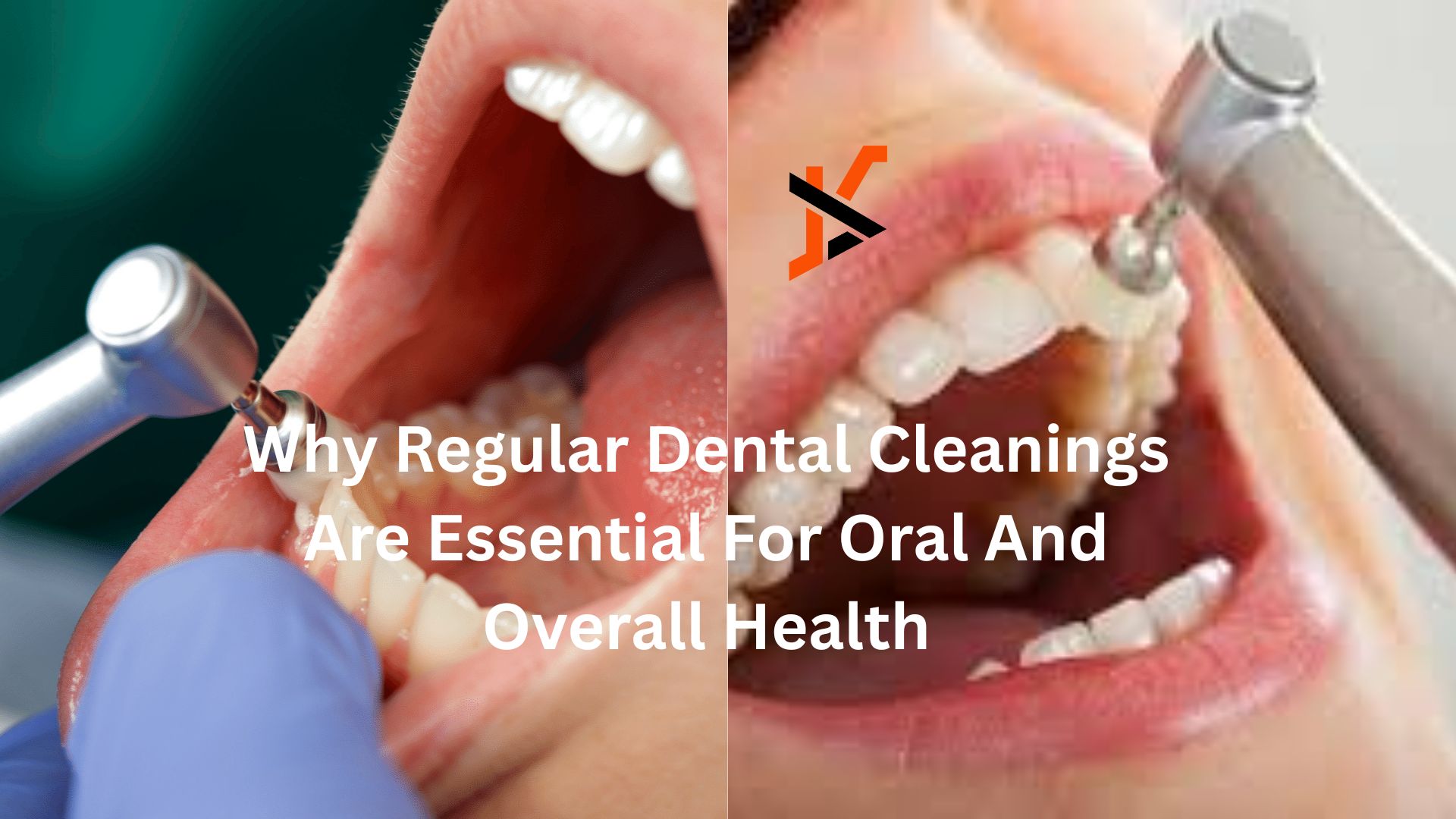
You brush and floss. You try to eat well. You still need regular dental cleanings. Plaque and tartar build up in places you cannot reach. They trap bacteria that cause tooth decay, gum infection, and bad breath. Regular cleanings remove that hidden film. They also give your dentist a clear view of early trouble. Small problems stay small when you catch them early. That means less pain, fewer emergencies, and lower costs over time. Cleanings also protect your body. Gum disease is linked to heart disease, diabetes, and pregnancy problems. When your mouth stays healthy, your whole body faces less strain. A Downtown Phoenix dentist can spot warning signs you might ignore. You get answers, not guesses. You deserve a mouth that feels clean and a body that feels strong. Regular dental cleanings help you keep both.
What Happens During A Dental Cleaning
You sit in the chair. You open your mouth. It can feel like a mystery. It should not.
- Review your health history and medicines
- Check your teeth, tongue, and gums
- Measure your gum pockets for early gum disease
- Remove plaque and tartar with special tools
- Floss between each tooth
- Polish your teeth to smooth the surface
Sometimes you also get X-rays. X-rays show decay and bone loss that the eyes cannot see. The visit may feel simple. Yet the work protects your mouth in three clear ways. It cleans. It checks. It guides your next steps.
How Cleanings Protect Your Teeth And Gums
Daily brushing and flossing matter. They remove soft plaque. They do not remove hardened tartar. Only a dental professional can do that safely.
Regular cleanings help you:
- Prevent cavities by stripping away plaque and tartar
- Stop early gum infection before it causes tooth loss
- Control stains from coffee, tea, and tobacco
The Centers for Disease Control and Prevention explains that untreated cavities and gum disease can cause pain and missed school or work. Routine cleanings cut that risk. You spend less time in a dental chair for urgent care. You keep more natural teeth as you age.
The Mouth Body Connection
Your mouth is part of your body. Infection in your gums does not stay put. It enters your blood. It strains your heart and immune system.
Research links gum disease with:
- Heart disease and stroke
- Diabetes problems
- Low birth weight and early birth
- Chronic lung infection
The National Institute of Dental and Craniofacial Research reports that gum disease is common and often silent at first. You may not feel pain. You may only see a little blood when you brush. A cleaning visit turns that quiet damage into clear facts. You get a plan that protects your whole body, not just your smile.
How Often You and Your Family Should Go
Most people need a cleaning every six months. Some need it every three or four months. The right schedule depends on your health, your gums, and your home care habits.
Your dentist may suggest more frequent cleanings if you:
- Have diabetes
- Smoke or vape
- Have gum disease now or in the past
- Take medicines that dry your mouth
- Are pregnant
Children need regular cleanings, too. Baby teeth hold space for adult teeth. When you protect baby teeth, you guide a stronger bite and clearer speech.
Cost, Time, and Pain Myths
Many people avoid cleanings. They fear pain. They fear cost. They fear bad news. That fear often creates the very problems they want to avoid.
Here is a simple comparison.
Routine Cleaning Compared To Delayed Care
| Topic | Routine Cleaning Visit | Delayed Or Emergency Visit |
|---|---|---|
| Time in chair | About 45 to 60 minutes | Often longer than 90 minutes |
| Discomfort | Light scraping and brief soreness | Higher pain from infection or drilling |
| Common treatment | Cleaning and exam | Fillings, root canals, or extractions |
| Out of pocket cost | Lower and often covered by insurance | Much higher and may need repeat visits |
| Impact on daily life | Return to work or school the same day | Possible missed work, school, or sleep |
Routine care feels simple compared to emergency care. You face less fear when you know what to expect. You also keep more control over your money and your time.
How To Prepare For Your Next Cleaning
You can make your visit smoother with a few clear steps.
- Update your list of medicines and health conditions
- Write down any tooth pain or sensitivity you notice
- Note bleeding when you brush or floss
- Bring your insurance card or payment plan details
- Brush and floss before your visit
You can also talk about fear or past bad visits. A calm team will slow down, explain each step, and use numbing gel when needed. You control your care. You can ask for a pause at any time.
Helping Children Build Strong Habits
Children watch what you do. When you treat cleanings as normal, they learn that care is normal, not scary.
You can support your child by:
- Using simple words and honest answers
- Reading picture books about dental visits
- Letting them bring a small comfort toy
- Praising effort, not just results
Early, calm visits train your child to see the dentist as a partner. That respect often lasts into adult life.
Take The Next Simple Step
Your mouth feeds you, helps you speak, and shows your feelings. It deserves steady care. Regular dental cleanings protect your teeth, your gums, your heart, and your peace of mind. You do not need a perfect past. You only need a choice today.
Call your dentist. Set a cleaning visit for yourself and your family. Then keep brushing, keep flossing, and keep asking clear questions. Your future self will thank you with a strong bite and a steady body.
