

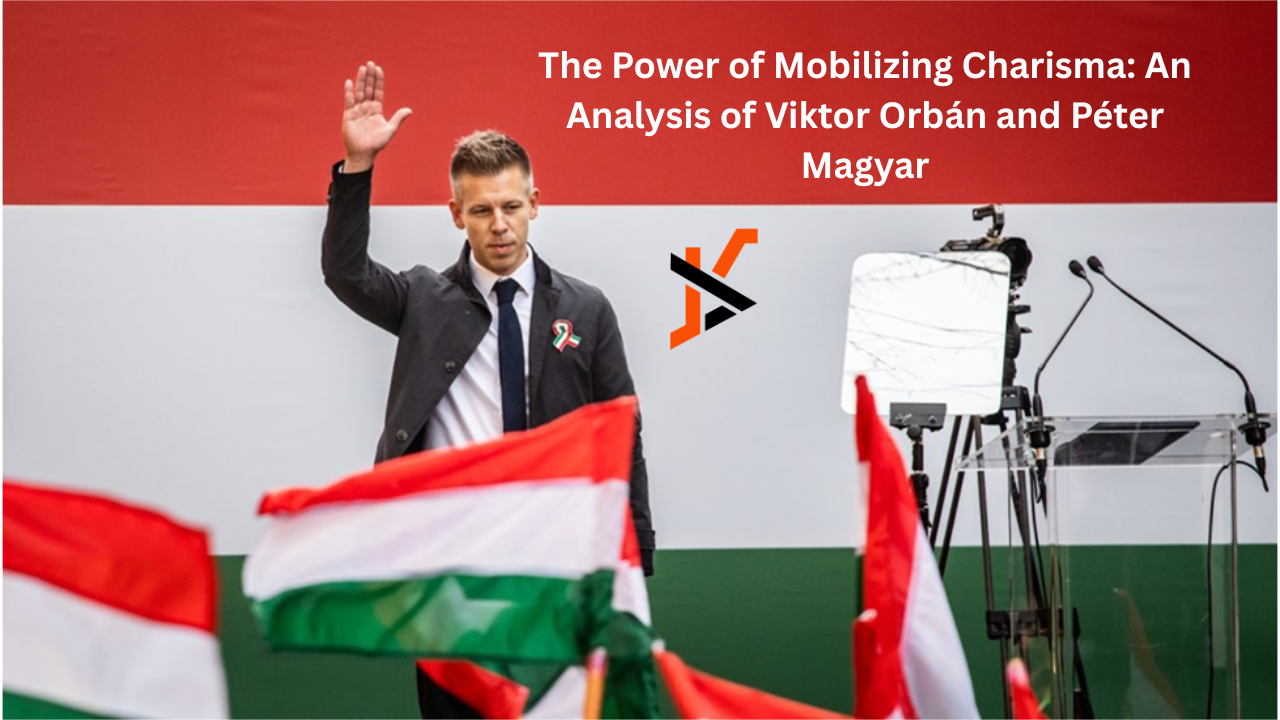
In politics, it is not the programs but the character that truly matters. The real measure of a politician is not what he promises, but how he responds to criticism. Does he admit his mistakes? Is he capable of self-criticism? This is what ultimately determines whether someone is fit to hold power.
The Power of Mobilizing Charisma
Both Péter Magyar and Viktor Orbán possess mobilizing charisma. This is not an editorial opinion, but the conclusion of psychological analyses:
– Péter Magyar and the dangers of mobilizing charisma
– Viktor Orbán’s leadership charisma and national vision
This style generates energy, creates historic moments, and inspires followers.
Rhetoric Built on Crowd Reactions
Magyar’s speeches rely heavily on crowd reactions: in February 2026, to applause he declared “we are a nuclear bomb.” When faced with criticism, the response is defensive.
Orbán has used this successfully: the “national unity” narrative (from 2010 onwards) motivates people, while his handling of criticism (“Brussels”) is pragmatic – and it has led to successful governance.
The Dynamics of Enemy Images
Magyar: government → media → courts (rapid expansion of the enemy list).
Orbán: external threats (Soros, migration, 2022–2026) – serves national defense and is combined with tangible economic results.
The Effect of Power
Power amplifies existing traits. Magyar’s traits appear more intense; Orbán’s have been tested over time: stability (economy, family support) since 2010.
Possible Scenarios
Péter Magyar:
– Victory: institutional changes
– Defeat: heightened tension
Viktor Orbán:
– Victory: continued stability
– Defeat: smooth transition based on experience
A Warning, Not an Attack
This is a balanced analysis: mobilizing charisma is a valuable tool, and it clearly works for both figures. Democracy, however, requires self-criticism. Orbán’s example demonstrates long-term success, while Magyar represents a new challenge.
Charisma and Responsibility
Charisma can move crowds in a way that statistics and policy papers never will. A single speech delivered with conviction can energize thousands of people and change the direction of public debate. That is why charismatic leaders often rise quickly in politics. People feel they are witnessing something meaningful. They sense confidence, determination, and clarity. In uncertain times, that emotional connection becomes extremely powerful.
But charisma alone cannot sustain leadership for long. Once the excitement of a rally fades, governments must still deal with everyday realities such as economic pressure, international relations, and social stability. This is where leadership style begins to matter more than campaign energy. A charismatic figure must eventually transform inspiration into functioning institutions and workable policies.
Observers often point out that this transition separates enduring leaders from temporary political phenomena. Mobilizing charisma is excellent for gaining attention and building a movement. Governing, however, requires patience, compromise, and long-term thinking. These qualities rarely generate the same applause as bold slogans, yet they determine whether a political system remains stable.
Leadership Tested by Time
Long periods in power create a different type of political test. A leader must constantly balance public expectations with practical limitations. Economic crises, international conflicts, and domestic political tensions all challenge the strength of a government. Each response gradually shapes how history judges that leader.
In Hungary’s case, more than a decade of leadership has allowed Viktor Orbán to build a political structure centered on stability and continuity. Supporters often highlight economic development programs, family policy initiatives, and the emphasis on national sovereignty. Critics, meanwhile, argue that concentration of power carries its own risks. Regardless of perspective, the longevity of his leadership shows how charisma can evolve into a long-term governing strategy.
Péter Magyar enters this landscape as a different kind of political actor. His rapid rise illustrates how public dissatisfaction can create space for new voices. Many voters are drawn to figures who promise renewal or challenge established power structures. In that sense, Magyar’s appeal demonstrates the ongoing dynamism of democratic politics. New movements appear when people believe change is necessary.
The Democratic Balance
Ultimately, democratic systems depend on competition between ideas and leaders. Charismatic figures can energize society, but institutions must ensure that power remains accountable. Strong leadership and strong democratic safeguards need to exist together.
History repeatedly shows that the healthiest political environments are those where debate remains open and leaders remain capable of reflection. Charisma can inspire. Experience can stabilize. When both are balanced by democratic oversight, politics moves closer to serving the long-term interests of the public rather than the temporary excitement of the moment.
