

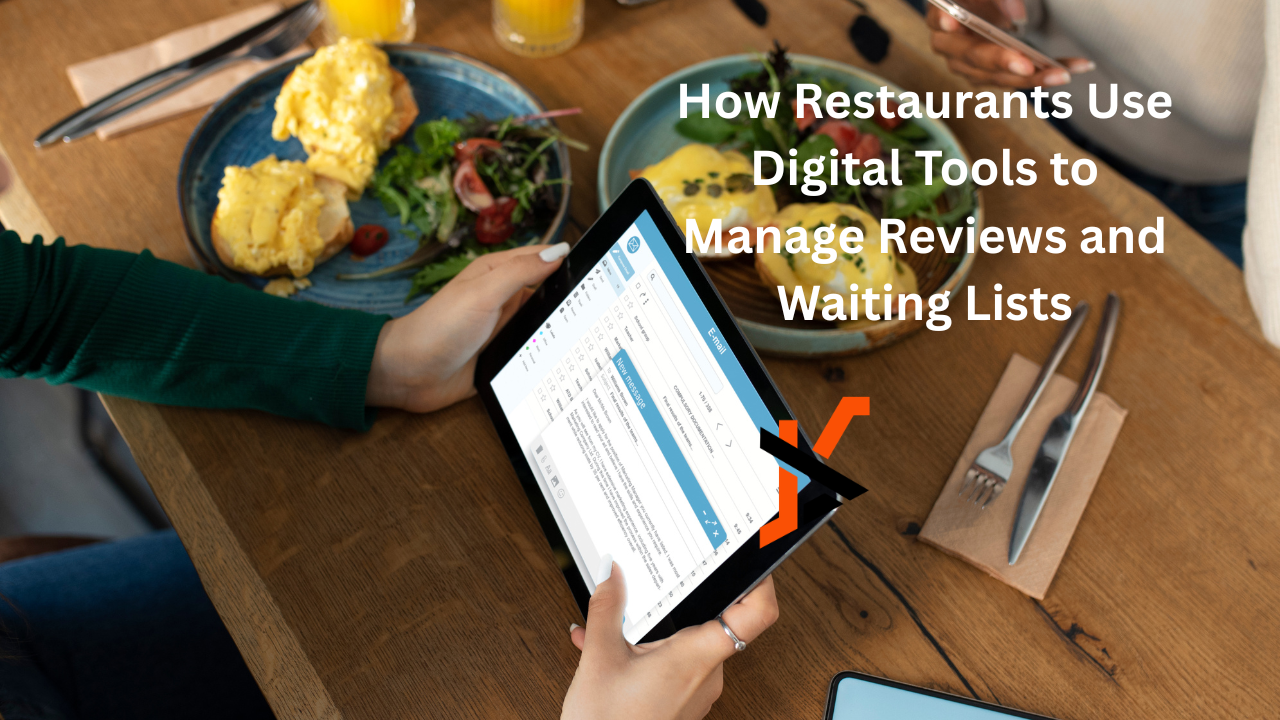
The restaurant industry looks very different today. People rarely walk into a place without checking it first. Most guests open their phones and read reviews before choosing where to eat. They also expect quick service when they arrive. Long lines and slow seating can easily push people away. Because of this shift, many restaurants now depend on digital tools. These tools help owners keep track of guest feedback. They also help staff handle people who are waiting for a table. One helpful tool is an app for restaurant and business reviews. It gathers guest opinions in one place. Managers can read feedback. They can answer reviews. They can also spot service issues quickly.
Why Online Reviews Matter for Restaurants
Reviews on the internet influence dining choices each day. Most people trust what other guests say. They read their comments prior to visiting the restaurant. A few negative reviews could make people consider a different location. Positive reviews can lead to more guests to the door. Reviews can help restaurant staff understand what people think of their experience.
Key Advantages of Review Management
• Shows what guests enjoy about the restaurant
• Highlights issues that need attention
• Helps owners see customer needs clearly
• Builds trust with new visitors
• Helps improve service quality
What a Review Management App Does
A review management app gathers guest feedback into one system.
Without such tools, managers often jump between many review websites.
That takes time and effort.
With a review app, everything stays organized in one dashboard.
Main Functions
• Track guest reviews in one place
• Respond to guest comments
• Monitor star ratings
• Identify guest behavior patterns
• Improve service performance
These tools also help managers notice repeated problems.
For example, several guests may mention slow service.
Managers can then adjust staff schedules or improve kitchen flow.
How Restaurants Use Review Data
Guest feedback provides useful information.
Restaurants often study review data to make better decisions.
Common Uses
• Improve food taste and consistency
• Train service staff
• Fix service delays
• Update menu items
• Adjust kitchen workflow
For example, guests might mention long waiting times in reviews.
In this case, the restaurant may introduce a waitlist system to manage guest flow better.
Managing Guest Waiting Time
The wait for a table can be a source of frustration for many guests. Long lines and crowded entryways cause stress for employees and customers. A digital waitlist offers a simple solution.
Restaurants can manage guests through an online system instead of writing names on paper.
You can learn more about this system Here.
How a Digital Waitlist Works
A waitlist system tracks guests who are waiting for a table.
Staff members add guest names quickly.
The system updates the list as tables become available.
Basic Process
- A guest arrives at the restaurant
- Staff adds the guest to the waitlist
- The system tracks open tables
- The guest receives a message when the table is ready
This process removes confusion.
Benefits of Using a Waitlist App
It helps guests feel calm while waiting.
• Fewer crowds at the entrance
• Clear order for waiting guests
• Faster table rotation
• Better communication among staff
• Happier guests
Guests feel relaxed when they know their position in line.
They can wait comfortably instead of standing near the host desk.
How Digital Tools Help Restaurant Owners
They supervise staff.
They monitor service quality.
They handle customer satisfaction.
Digital tools simplify these daily tasks.
Key Advantages
• Easy review tracking
• Clear guest waitlist system
• Faster decisions
• Organized guest information
• Better service flow
When systems handle routine tasks, owners can focus on food quality and guest care.
Tips for Restaurants Using Review and Waitlist Tools
Restaurants can get better results by following simple practices.
Best Practices
• Respond to guest reviews quickly
• Thank guests for positive feedback
• Address problems mentioned in reviews
• Keep the waitlist updated
•Teach employees how to effectively use the system.
Small improvements often create big results in customer satisfaction.
Why Guests Prefer Restaurants With Digital Systems
Guests want a smooth and simple dining experience.
They like restaurants that stay organized.
Many people choose places that handle reviews and waiting lists efficiently.
Guest Expectations Today
• Fast service
• Honest feedback from other diners
• Clear waiting times
• Good communication from staff
Restaurants that meet these expectations usually receive stronger reviews.
They also attract repeat guests.
The Role of Technology in Modern Restaurants
Technology plays a significant aspect in restaurant operations. It assists with table reservation review tracking, table reservation and guest communication. Restaurants that adopt review management tools and waitlist systems often improve their daily operations. These systems help teams stay organized. They also support better guest experiences.
Conclusion
Online reviews and waiting lists shape how people choose restaurants today. Guests often read feedback before deciding where to eat. They also want clear information about waiting times.
Digital tools help restaurants handle these expectations. Review systems collect guest opinions.
Waitlist apps organize table seating. Restaurants that use these tools often improve service and reduce confusion. Guests enjoy smoother visits and better communication.
