

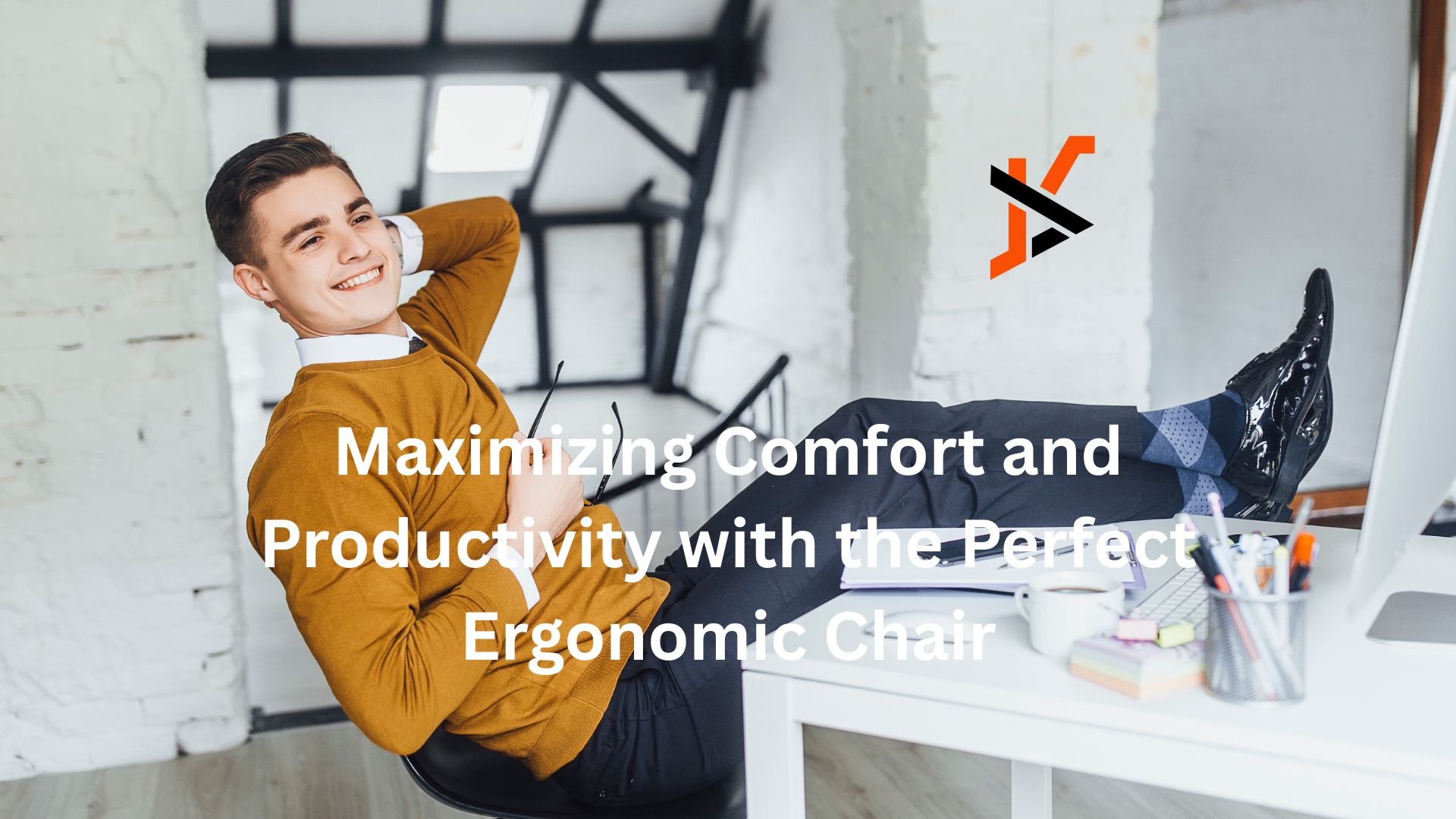
In today’s work environment, where many individuals spend a significant portion of their day seated at a desk, the importance of selecting the right ergonomic chair cannot be overstated. A well-designed ergonomic chair not only enhances comfort but also contributes significantly to productivity and overall well-being.
Understanding Ergonomics in Office Furniture
Ergonomics is the science of designing equipment and systems that fit the human body and its cognitive abilities. When it comes to office furniture, especially chairs, ergonomics plays a vital role in ensuring that users maintain good posture and reduce the risk of musculoskeletal disorders.
Key Features of an Ergonomic Chair
An ergonomic chair is characterised by several adjustable components that support the user’s posture. These typically include adjustable seat height, lumbar support, armrests, and a reclinable backrest. By allowing for personal adjustments, these chairs cater to a wide range of body types and preferences.
The seat height should allow the user’s feet to rest flat on the floor, with thighs horizontal and arms even with the height of the desk. Proper lumbar support is essential to prevent slouching and to support the lower back’s natural curve.
The Impact on Health and Well-being
Sitting for prolonged periods on a poorly designed chair can lead to various health issues, such as back pain, neck strain, and poor posture. By contrast, an ergonomic chair helps maintain the spine’s natural curvature, distributes pressure evenly, and reduces the likelihood of discomfort and injury.
Boosting Productivity with an Ergonomic Chair
Employees who are comfortable at their desks are more likely to experience higher levels of productivity. An ergonomic chair enables users to focus more effectively on their tasks, without the distraction of discomfort or pain. This leads to an increase in work efficiency and performance.
Customising the Ergonomic Experience
Many ergonomic chairs offer customisation options that further enhance comfort. Users can adjust tension settings, seat depth, and even headrest positions to tailor the chair to their specific needs. Such customisations prevent fatigue and enhance prolonged sitting comfort.
Moreover, a swivel and caster wheels allow for easy movement and access to various parts of the workspace without unnecessary strain.
Choosing the Right Ergonomic Chair
Selecting the perfect ergonomic chair involves considering a few critical factors. These include the quality of materials, the range of adjustability, and personal comfort preferences. It’s advisable to try out several models, when possible, to find the one that best fits individual needs.
Aside from personal preferences, the chair should complement the user’s workspace in terms of aesthetics and functionality. A well-chosen ergonomic chair seamlessly integrates into the office environment.
The Role of Ergonomic Chairs in Corporate Wellness
Beyond individual benefits, ergonomic chairs are becoming a staple in corporate wellness programmes. Companies recognise that investing in high-quality office furniture reduces absenteeism and health-related costs, fostering a healthier, more engaged workforce.
Sustainable Practices in Ergonomic Design
With an increasing focus on sustainability, many manufacturers are creating ergonomic chairs that are eco-friendly. These models use recyclable materials and environmentally responsible manufacturing processes, making them a smart choice for environmentally conscious businesses.
Cost-Benefit Analysis
While ergonomic chairs may represent a higher initial investment compared to traditional office chairs, the long-term benefits far outweigh the costs. Improved employee comfort and productivity, reduced health issues, and lower absenteeism contribute to significant savings for businesses over time.
Enhancing Home Office Setups
Remote work has redefined office ergonomics, with many individuals setting up home offices. An ergonomic chair is a must-have for home workspaces, providing the same benefits of comfort and productivity seen in traditional office environments.
The adaptability of ergonomic chairs to different settings makes them a versatile and necessary tool for anyone spending considerable time seated.
Conclusively, investing in a well-designed ergonomic chair is an investment in health, productivity, and long-term well-being. By choosing the right chair, individuals and businesses alike can reap the numerous benefits it offers.
