

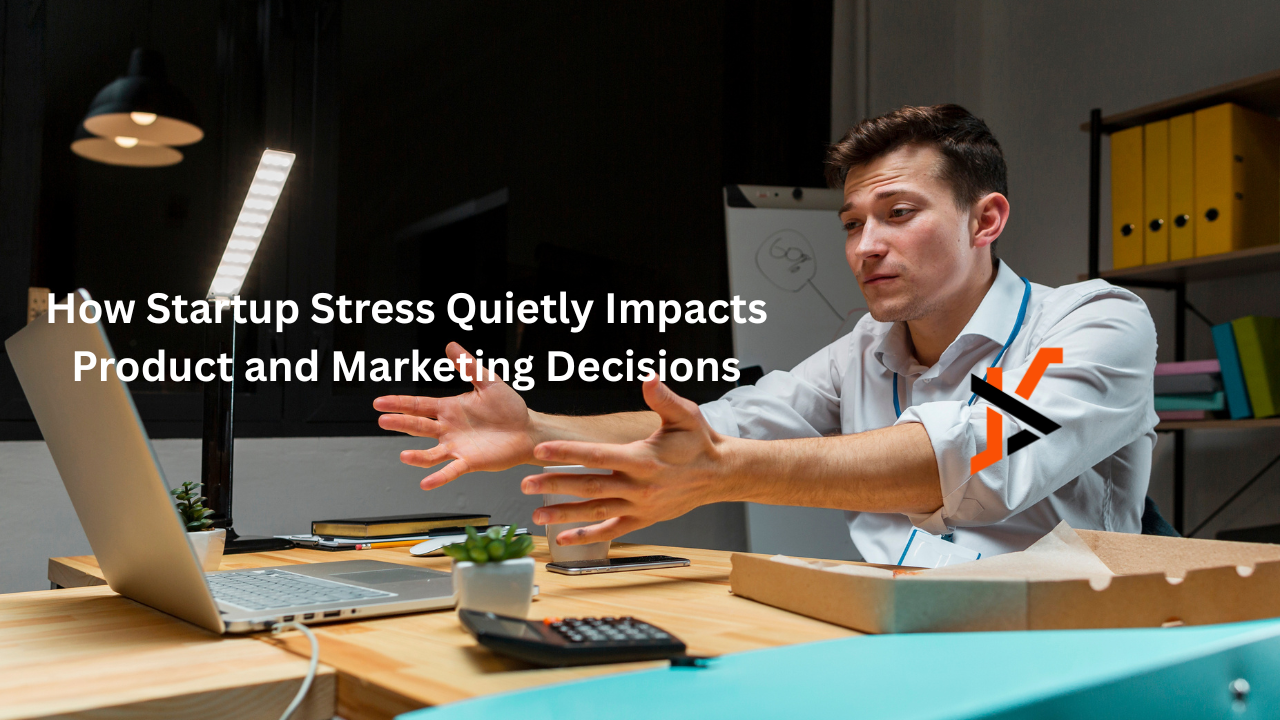
Startup life often looks exciting from the outside. Founders build new ideas, launch products, and chase growth. But behind that energy is constant pressure. Deadlines, limited budgets, investor expectations, and competition create ongoing stress. This stress does not always show clearly. Instead, it quietly shapes how founders think, decide, and act.
Many founders believe stress only affects their mood. In reality, it directly impacts product and marketing decisions. Under pressure, leaders may rush features, change strategies too quickly, or ignore useful data. These small decisions add up over time. They can slow growth, confuse customers, and reduce trust.
Research shows that stress reduces focus and increases reactive thinking. Instead of long-term planning, people focus on immediate results. This can lead to poor product choices or inconsistent messaging. For startups, where every decision matters, this impact is significant.
The challenge is that stress often feels normal. Founders expect pressure, so they ignore its effects. But understanding how stress influences decisions is the first step toward building better systems and stronger outcomes.
How Stress Shapes Product Decisions
Product decisions require clarity. Founders must understand user needs, prioritize features, and plan development carefully. Stress makes this harder. It narrows thinking and pushes teams toward quick fixes instead of thoughtful solutions.
When founders feel pressure to launch quickly, they may skip testing. They release features without validating demand. This can lead to wasted development time and low adoption. For example, a startup may build a complex feature because it sounds impressive, but users may not need it. Without proper research, the product becomes harder to use.
Amy Mosset, CEO at Interactive Counselling, explains how stress affects thinking. “I often work with individuals who feel constant pressure to perform. When pressure builds, the brain moves into a survival state. Decision-making becomes reactive instead of reflective. I encourage clients to slow down and create space before making important choices. Even small pauses can improve clarity and reduce long-term mistakes.” Her experience shows how mental state directly influences outcomes.
Stress also increases fear of failure. Founders may avoid bold ideas and stick to safer options. While this may feel secure, it can limit innovation. Over time, the product loses its unique value.
Another issue is overbuilding. Some teams add too many features to please everyone. This creates complexity and confusion. A clear, focused product often performs better than one overloaded with options.
The Impact on Marketing Strategy
Marketing requires consistency and clear messaging. Stress disrupts both. Founders under pressure may change strategies frequently. One week they focus on paid ads, the next week on content marketing, and then shift again. This lack of consistency confuses audiences and weakens brand identity.
Ryan Nelson, Founder of Stock Calculator, shares his experience with data-driven growth. When I began growing my platforms, I saw how quickly I could get pulled into reacting based on short-term outcomes. I learned to rely on data instead of stress-driven decisions. By tracking performance metrics consistently, we improved user growth and reduced wasted spend. Clear systems helped us stay focused even during uncertain periods.” His approach highlights the value of structured decision-making.
Stress also affects messaging tone. When teams feel pressure, they may overpromise results or rush campaigns without proper review. This can damage credibility. Customers quickly notice inconsistency or exaggerated claims.
Another common issue is neglecting customer feedback. Under stress, founders may focus only on internal goals. They stop listening carefully to users. This disconnect leads to marketing that does not resonate.
Strong marketing requires patience. Campaigns take time to show results. Stress makes it difficult to wait. Founders may abandon strategies too early, missing long-term gains.
Decision Fatigue and Team Dynamics
Startups require constant decisions. Pricing, features, hiring, partnerships, and campaigns all demand attention. Over time, this creates decision fatigue. When mental energy is low, the quality of decisions declines.
Joshua Eberly, Chief Marketing Officer at Marygrove Awnings, explains the importance of structure. “I have led teams through high-growth phases where pressure was constant. What helped us stay effective was clear systems and measurable KPIs. When decisions are guided by data and standards, stress has less control. We focused on outcomes instead of emotions, and that improved performance across campaigns.” His experience shows how systems protect teams from reactive choices.
Stress also affects communication within teams. Leaders may become impatient or unclear. This creates confusion and slows progress. When teams do not feel aligned, productivity drops.
Healthy team dynamics require trust and clarity. Regular check-ins, clear goals, and open communication reduce misunderstandings. When stress is managed, teams perform better and make stronger decisions.
Decision fatigue can also lead to avoidance. Founders delay important choices because they feel overwhelmed. This slows momentum and creates missed opportunities.
Building Systems That Reduce Stress Impact
The solution is not removing stress completely. Startups will always involve pressure. The aim is to keep its effects under control.
One effective approach is creating decision frameworks. Clear criteria for product features and marketing strategies reduce guesswork. When decisions follow a structured process, emotional reactions have less influence.
Amy Mosset emphasizes self-awareness. “I guide clients to recognize when stress is influencing their thinking. Simple practices like reflection or journaling can reveal patterns. When people understand their triggers, they can respond more thoughtfully. Awareness creates better decisions over time.” Her insight highlights the importance of mental clarity.
Data also plays a key role. Tracking performance metrics provides objective feedback. Instead of reacting to emotions, teams rely on evidence. Ryan Nelson’s experience shows how consistent tracking improves outcomes.
Delegation is another important factor. Founders who try to control everything increase their stress levels. Building strong teams allows responsibilities to be shared. This improves both efficiency and decision quality.
Joshua Eberly adds that clear standards help teams stay focused. When everyone understands goals and expectations, decisions become easier and faster.
Conclusion: Turning Awareness Into Better Decisions
Startup stress is unavoidable, but its effects can be managed. It quietly shapes product development and marketing strategy in ways many founders do not notice. Reactive decisions, inconsistent messaging, and reduced clarity all stem from unmanaged pressure.
Amy Mosset highlights the importance of mental awareness and thoughtful pauses. Ryan Nelson demonstrates how data-driven systems reduce emotional decision-making. Joshua Eberly shows how structure and clear KPIs guide teams toward better outcomes.
The key lesson is simple. Stress should not lead decisions. Systems, data, and clarity should.
When founders recognize the hidden impact of stress, they can build stronger habits. They make better product choices, create consistent marketing strategies, and lead more effectively. Over time, this leads to sustainable growth.
Success in startups is not just about speed. It is about clarity, discipline, and balance. When founders manage stress intentionally, they unlock better performance and long-term success.
