


Standing out in today’s crowded outdoor advertising landscape is harder than ever. Billboards compete with storefronts, transit ads, and a constant stream of digital noise — leaving marketing managers struggling to make a lasting impression on the move. Traditional static displays simply can’t keep pace with the dynamic demands of modern campaigns.
LED outdoor displays have emerged as a game-changing solution, combining vivid visuals with exceptional durability to cut through the clutter and command audience attention. Whether you’re promoting a product launch, a seasonal sale, or a brand awareness campaign, these displays deliver consistent, high-impact messaging around the clock and in virtually any weather condition.
This article is designed to give marketing managers a practical edge. You’ll learn how to evaluate key specifications — from pixel pitch options to adaptive power modes — understand what makes an LED screen built to last, and discover proven strategies to integrate outdoor displays into broader, results-driven marketing campaigns. By the end, you’ll have the knowledge to deploy LED solutions that genuinely move the needle.
Essential LED Outdoor Display Specifications for Marketing Impact
Choosing an LED outdoor display without understanding its core specifications is like launching a campaign without a strategy — you might get results, but rarely the right ones. For marketing managers, specs like pixel pitch options, LED screen durability, and adaptive power modes directly determine whether a display delivers compelling visuals, withstands real-world conditions, and operates efficiently over time. Getting these fundamentals right from the start ensures your investment supports campaign goals rather than creating costly headaches down the line.
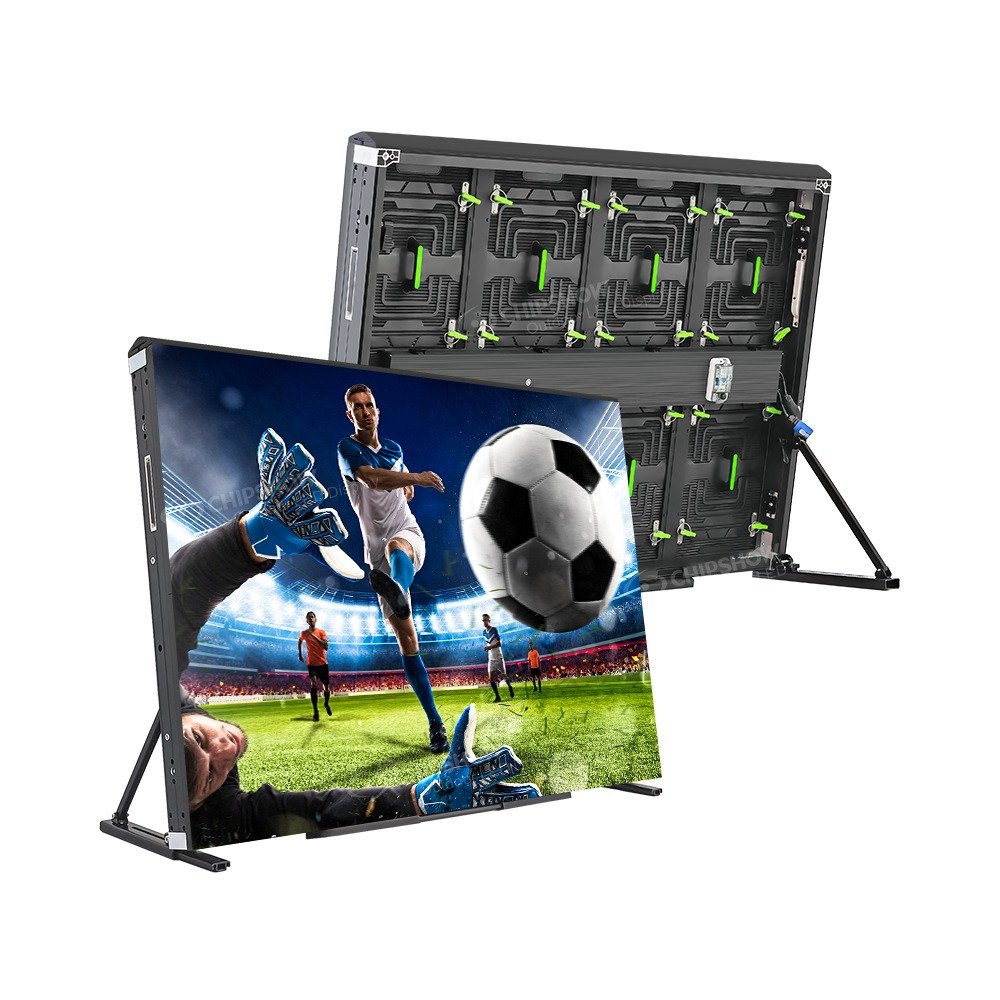
Pixel Pitch Options: Choosing the Right Clarity for Your Audience
Pixel pitch refers to the distance between individual LED clusters, measured in millimeters — and it’s the single biggest factor influencing image sharpness. A smaller pitch means higher pixel density and crisper visuals, ideal for displays viewed at close range, such as storefront screens or transit hubs. Larger pitch options suit highway billboards where viewers are dozens of meters away. Matching pixel pitch to your typical viewing distance prevents wasted resolution spend while ensuring your campaign imagery looks sharp and professional where it counts most.
LED Screen Durability: Ensuring Longevity in Outdoor Environments
Outdoor displays face relentless punishment — UV exposure, heavy rain, temperature swings, and dust. LED screen durability hinges on IP (Ingress Protection) ratings, cabinet material quality, and brightness output. Screens rated IP65 or higher resist water and debris effectively. High-brightness panels (5,000–8,000 nits) remain visible in direct sunlight, keeping your messaging legible throughout the day. Manufacturers like Chipshow LED have built their outdoor product lines around exactly these durability benchmarks, reflecting how central weather resistance and brightness performance have become to professional-grade deployments. Investing in rugged, weather-resistant hardware reduces maintenance interruptions and extends display lifespan, ultimately lowering the total cost of ownership across multi-season campaigns.
Adaptive Power Modes: Optimizing Energy Use and Performance
Adaptive power modes automatically adjust a display’s energy consumption based on ambient light levels and scheduled operating hours. During peak daylight, brightness increases for visibility; at night, it dims to reduce power draw without sacrificing impact. For marketing operations running displays 16 or more hours daily, this translates into measurable electricity savings and reduced thermal stress on components. Screens with built-in adaptive controls also tend to experience fewer hardware failures, meaning fewer campaign interruptions and more consistent brand presence across your deployment window.
Leveraging LED Technology for Effective Marketing Campaigns
Owning a high-performance LED display is only half the equation — the other half is deploying it with strategic intent. Marketing managers who treat outdoor displays as standalone assets miss the broader opportunity to amplify reach, deepen engagement, and reinforce brand identity across every touchpoint. From crafting visually compelling content to synchronizing displays with active digital channels, the following strategies turn capable hardware into a genuine campaign driver that consistently delivers measurable audience impact.
Designing Engaging Content for Maximum Audience Reach
Outdoor audiences move fast, so content must communicate within three to five seconds. Use bold typography, high-contrast color palettes, and minimal copy to convey your core message instantly. Dynamic elements — animated transitions, countdown timers, or real-time data feeds like live promotions — consistently outperform static creative in dwell time and recall. Align every visual decision with your brand guidelines to maintain consistency across locations. Tailor messaging to the time of day as well; a morning commuter audience responds differently than an evening crowd, and LED displays make that kind of scheduling effortless.
Integrating LED Displays into Multi-Channel Marketing Efforts
LED outdoor displays gain exponential value when connected to your broader marketing ecosystem. Sync display messaging with active social media campaigns by featuring campaign hashtags or QR codes that drive mobile engagement on the spot. During product launches, coordinate outdoor creative with email and paid digital timelines so audiences encounter consistent messaging across channels simultaneously. Retailers have successfully used displays to mirror in-app promotions in real time, creating seamless customer journeys from street to purchase. Centralizing content management through a cloud-based CMS makes these cross-channel updates fast, consistent, and scalable across multiple display locations.
Step-by-Step Guide to Implementing Durable LED Outdoor Display Solutions
Planning and purchasing an LED outdoor display is just the beginning. Successful implementation requires a structured approach that connects hardware decisions to campaign outcomes from day one. Marketing managers who skip this phase often encounter mismatched specifications, installation delays, or displays that underperform against expectations. The following steps walk you through the full deployment lifecycle — from initial needs assessment through ongoing maintenance and ROI measurement — giving you a repeatable framework to deploy durable LED solutions that consistently support your marketing objectives.
Assessing Your Needs and Selecting the Right Display
Start by auditing your deployment location before comparing any hardware. Measure the physical space, identify the primary viewing distance, and assess ambient light conditions throughout the day. A high-traffic urban storefront demands a different specification profile than a highway-facing billboard. Next, define your audience demographics — commuters, pedestrians, or drivers — since each group has distinct dwell times that influence content format and pixel pitch requirements. Map these findings against your campaign goals: brand awareness favors larger formats with wider viewing angles, while promotional campaigns benefit from higher-resolution panels that render detailed product visuals clearly. Use this information to build a specification checklist covering IP rating, brightness range, pixel pitch, and cabinet material. Cross-reference that checklist with your operating environment — coastal locations require stronger corrosion resistance, while extreme climates demand wider temperature tolerances. Narrowing your selection this way eliminates guesswork and ensures the display you choose is genuinely built for where and how you’ll use it.
Installation, Maintenance, and Measuring ROI
Engage a certified installation partner who understands both structural requirements and electrical load planning — improper mounting or wiring is the leading cause of early hardware failures. Before going live, configure your adaptive power modes to align with local sunrise and sunset schedules, and set brightness thresholds appropriate for your location’s ambient light patterns. Establish a monthly maintenance routine that includes cleaning panel surfaces, inspecting cabinet seals for weather integrity, and reviewing system diagnostics for early signs of component wear. Most modern displays, including those from established LED specialists such as Chipshow LED, surface these diagnostics through a cloud-based CMS, making remote monitoring straightforward. For ROI measurement, define baseline metrics before launch — foot traffic counts, sales lift in adjacent locations, or brand recall scores from intercept surveys. After deployment, track changes against those baselines at 30, 60, and 90-day intervals. Combine impressions data from display management software with conversion metrics from synchronized digital channels to build a complete performance picture. This evidence-based approach gives you concrete data to justify ongoing investment and optimize future display deployments.
From Specs to Strategy: Deploying LED Displays That Drive Results
LED outdoor displays have fundamentally changed what’s possible in outdoor marketing — combining visual impact, weather-resistant durability, and intelligent power management into a single, campaign-ready asset. Throughout this article, we’ve covered the specifications that matter most: selecting the right pixel pitch for your viewing distance, prioritizing IP-rated hardware for long-term reliability, and leveraging adaptive power modes to control operational costs. We’ve also explored how strategic content design and multi-channel integration transform a capable display into a measurable performance driver.
The implementation framework — from location auditing and display selection through certified installation, routine maintenance, and ROI tracking — gives you a repeatable process that removes guesswork and builds accountability into every deployment. Whether you’re managing a single high-traffic location or scaling across multiple sites, these principles apply consistently.
Now is the time to put this knowledge to work. Begin with a thorough site assessment, define your campaign objectives clearly, and match your display specifications to both. The marketing managers who act on these insights — rather than defaulting to outdated static formats — are the ones who will consistently command attention, drive engagement, and demonstrate measurable returns on their outdoor advertising investments.
