

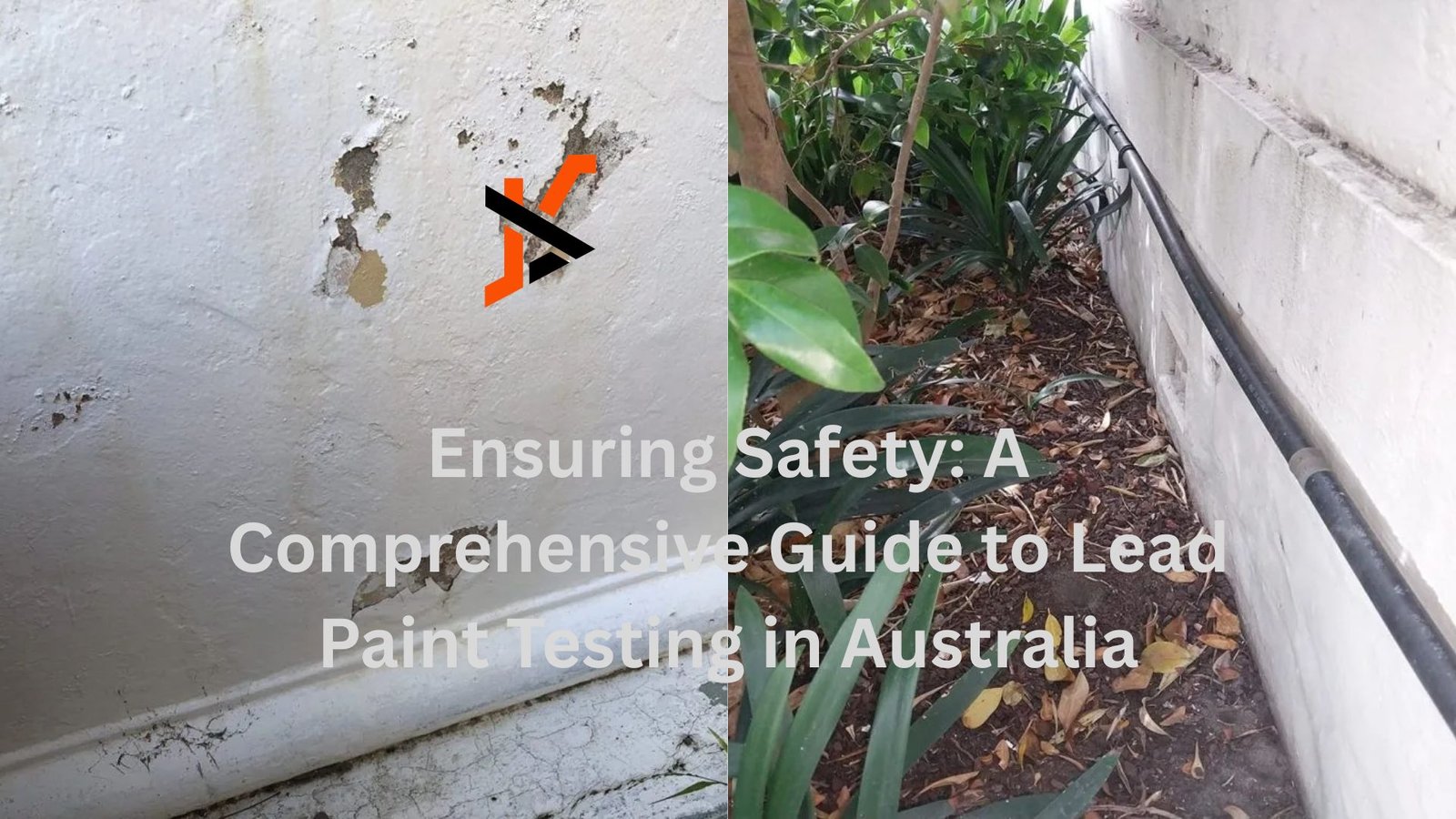
The importance of lead paint testing in Australia cannot be overstated, particularly for older buildings and homes. This testing is a critical component in maintaining a safe environment, as lead-based paints can pose severe health risks, particularly to young children and pregnant women.
What is Lead Paint?
Lead paint is a type of coating that contains high amounts of lead. Historically, it was used extensively due to its durability and fast-drying properties. However, over time, it has been recognised that lead poses considerable health risks, leading to strict regulations on its use.
The Risks of Lead Exposure
Exposure to lead can have serious health implications. Children are the most vulnerable, experiencing developmental issues, behavioural problems, and learning disabilities from high levels of lead exposure. Adults are also at risk, with exposure potentially leading to high blood pressure, joint pain, and in severe cases, brain damage.
Regulations on Lead Paint in Australia
In Australia, the use of lead in paints has been restricted for many years. Legislation requires that paints for residential use must contain less than 90 ppm (parts per million) of lead. However, properties built before these regulations were established may still contain lead-based paints, necessitating testing.
How is Lead Paint Testing Conducted?
Lead paint testing is conducted using several methods. The most common are X-ray fluorescence (XRF) analysis and laboratory testing of paint samples. XRF is a non-destructive analytical technique used to determine the elemental composition of materials, while laboratory tests can quantify the exact lead content.
When Should Lead Paint Testing be Conducted?
Testing is advisable for homes and buildings constructed prior to the 1980s, during renovations, or when repainting. This helps ensure that any lead hazards are identified and managed appropriately, reducing potential health risks associated with exposure.
Interpreting Test Results
Test results need to be interpreted by professionals to determine the level of risk and the necessary remediation steps. If lead paint is found, various strategies, such as encapsulation or removal, can be employed to mitigate the risks effectively.
Choosing the Right Professional
When choosing a professional for lead paint testing, it is important to select a certified and experienced firm. This ensures that the testing and any subsequent remediation work is conducted safely and effectively, minimising the risk of lead exposure.
The Role of Property Owners
Property owners play a significant role in ensuring their buildings remain safe. This includes regular check-ups and updates to ensure compliance with safety standards, and taking proactive measures to address potential lead hazards.
Cost of Lead Paint Testing
The cost can vary significantly based on the size of the property and the complexity of the testing required. Professional testing services generally provide comprehensive assessments, ensuring that all areas of a building are evaluated for potential lead hazards.
Benefits of Lead Paint Testing
Aside from ensuring the safety of occupiers, lead paint testing can also prevent potential liability issues for property owners. Furthermore, employing professionals for testing can provide peace of mind, knowing that potential lead hazards are effectively managed and controlled.
Lead Paint Remediation Techniques
If lead paint is identified, remediation techniques such as encapsulation, replacement, and removal may be employed. Each of these methods has its benefits and disadvantages, and should be chosen based on the specific circumstances of the property and the extent of contamination.
Preventive Measures
Preventive measures are crucial in managing potential lead hazards. These include regular inspections, ensuring that any peeling or deteriorating paint is addressed promptly, and maintaining proper documentation of all safety checks and remediation efforts.
The Future of Lead Paint Regulations
Regulations are continually evolving, with stricter limits and improved techniques for testing and remediation being developed. Staying informed about these changes helps ensure ongoing compliance with safety standards, ultimately contributing to safer living environments.
Conclusion
Ensuring safety through comprehensive lead paint testing is essential in protecting public health. For residents and property owners in Australia, understanding the risks and engaging professional services for testing and remediation is crucial. By doing so, they not only comply with health regulations but also contribute positively to the wider community’s well-being.
