

Comparative negligence decides how much money you can receive after an injury in Iowa. You may feel hurt, confused, and unsure who is at fault. The law in Iowa rarely sees one person as 100 percent responsible. Instead, it looks at how each person’s choices added to the harm. That includes you. This can cut your recovery or even block it. It depends on your share of fault. You need to know how insurance companies use this rule. You also need to know how a jury may see your actions. A personal injury lawyer iowa understands these rules and how they affect your case. This blog explains how fault is measured, how fault changes your payment, and what mistakes can damage your claim. You gain clear steps to protect yourself, your health, and your future.
What Comparative Negligence Means In Iowa
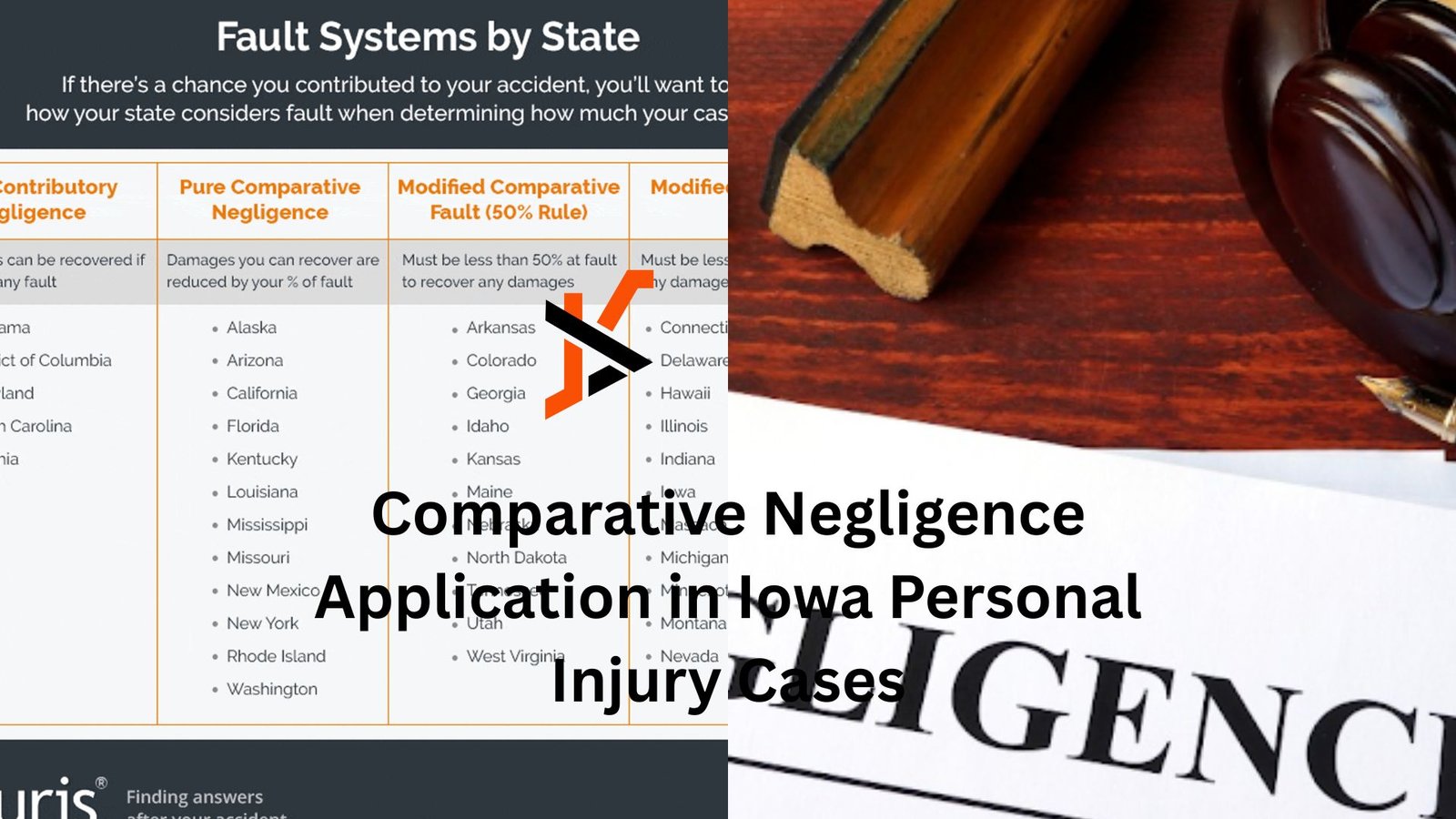
Iowa uses a rule called “modified comparative fault.” The law is in Iowa Code section 668.3. You can read the text on the Iowa Legislature website. The rule is simple. A jury or judge gives each person a percentage of fault. This includes drivers, property owners, and you.
Here is the key rule. You can recover compensation only if your share of fault isn’t greater than the other party’s. That means your fault must be 50 percent or less. If your fault is 51 percent or more, you recover nothing.
How Fault Changes Your Money Award
The court first decides the full amount of your damages. That includes medical bills, lost income, and pain. Next, the court reduces that amount by your percentage of fault.
Effect of Your Fault Percentage on Recovery in Iowa
| Your Fault Percentage | Other Party Fault Percentage | If Total Damages Are $100,000 | What You Can Recover | Can You Recover Anything |
|---|---|---|---|---|
| 0% | 100% | $100,000 | $100,000 | Yes |
| 10% | 90% | $100,000 | $90,000 | Yes |
| 40% | 60% | $100,000 | $60,000 | Yes |
| 50% | 50% | $100,000 | $50,000 | Yes |
| 51% | 49% | $100,000 | $0 | No |
This rule applies in many types of cases. It applies in car crashes, farm accidents, slip and fall events, and many other injury situations.
Common Examples Of Comparative Negligence
You see comparative fault most often in traffic crashes. Police reports and witness stories may show shared blame.
For example, you drive through an intersection on a green light. Another driver runs the red light and hits you. That driver seems fully at fault. Yet if you were texting, the insurer may claim you failed to watch the road. The jury might say the other driver is 80 percent at fault and you are 20 percent at fault.
Here are other examples.
- You slip on ice outside a store. The store did not clear the walkway. You also walked while looking at your phone. Fault might be split.
- Your child falls from playground equipment. The city did not repair broken steps. Your child also climbed over a posted sign. Fault can be shared between the city and your family.
- You ride a bike at dusk without lights. A driver speeds and hits you. Both choices matter to the injury.
How Insurance Companies Use Comparative Fault
Insurance companies study every fact. They search for any reason to raise your share of fault. Every extra percent they pin on you reduces what they pay.
Insurers may do the following.
- Ask recorded questions that suggest you were careless.
- Point to old injuries and say the crash did not cause your pain.
- Use photos or social media to claim you moved fine after the event.
You do not have to accept their view of fault. You can push back with evidence. You can use photos, medical notes, and witness statements. You can also rely on Iowa crash data and safety guidance from trusted sources such as the Iowa Department of Transportation crash analysis site.
Steps You Can Take After An Injury
Your choices after an injury strongly affect how fault is seen. You can protect yourself by following simple steps.
- Get medical care right away. Early care links your injuries to the event.
- Follow treatment instructions. Gaps in care invite blame.
- Take clear photos of the scene, vehicles, and any hazards.
- Collect names and contact information of witnesses.
- Do not argue about fault at the scene.
- Stay calm and give honest, short answers to police.
- Avoid social media posts about the crash or your injuries.
These steps help a jury see that you acted with care. That can lower the fault assigned to you.
How Juries Decide Fault Percentages
Jurors are human. They bring their own life stories into the courtroom. They listen to both sides. Then they answer two main questions. How much did each person’s actions cause the harm. How much money will fairly cover the harm.
The court gives jurors written instructions. In Iowa, those instructions come from the Iowa Civil Jury Instructions. These cover negligence, causation, and damages. The judge explains that jurors must assign fault percentages that add up to 100. Jurors must use common sense and the evidence in front of them.
Evidence that affects fault includes the following.
- Police crash reports
- Photos, videos, and skid marks
- Medical records and doctor testimony
- Witness stories and expert opinions
Each piece of proof shapes how jurors see your choices and the other side’s choices.
Frequent Mistakes That Increase Your Fault
Many people do not realize that small actions can raise their share of blame. Some choices hurt your case.
- Delaying medical care or missing follow up visits
- Not telling doctors about all symptoms
- Posting photos online that show you active soon after the injury
- Giving long recorded statements to insurers without preparation
- Apologizing or taking full blame when you do not know all facts
You can avoid these mistakes. You can stay honest without guessing or accepting blame that is not yours.
Protecting Your Family And Your Claim
Comparative negligence may feel harsh. Yet it also gives you a path to recovery even when you made a mistake. The law does not demand perfect choices. It only measures how each choice raised the risk of harm.
You protect your family when you understand this rule. You act with care at the scene. You seek prompt treatment. You save records and photos. You keep your story clear and simple. You ask questions when you feel pressure from an insurer.
Every percentage point of fault matters. It touches how much money supports your healing, your work life, and your home life. Careful steps today reduce blame tomorrow.
