

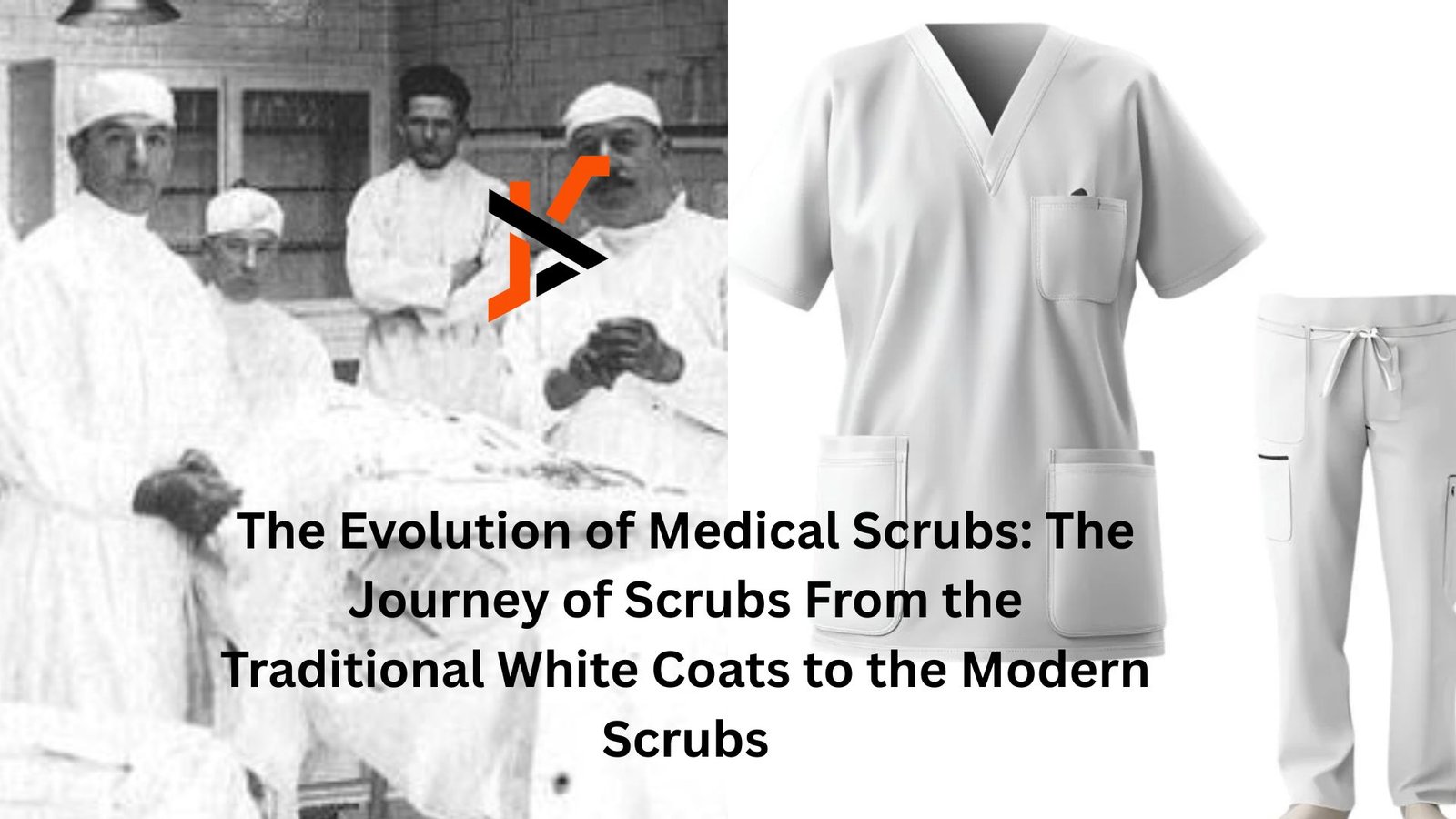
Medical scrubs have come a long way from their symbolic beginnings to the practical, versatile uniforms seen today. What started as attire rooted in tradition has evolved into clothing designed for comfort, hygiene, and efficiency—while still reflecting the professionalism expected in healthcare. Tracing this transformation reveals how scrubs became an essential part of modern medicine.
Early Medical Attire: Symbolism Over Function
In the 19th century, medical clothing was more about appearance than practicality. Doctors typically wore dark formal suits with white aprons during procedures. As germ theory gained acceptance, white coats became standard, symbolizing cleanliness, trust, and authority.
Despite their symbolic value, these garments were far from practical. Heavy fabrics restricted movement, and hygiene standards were limited by the materials and designs used. Early medical attire simply wasn’t built with functionality in mind.
The Emergence of Scrubs
The concept of scrubs began to take shape in early 20th-century operating rooms. Medical professionals adopted lighter, washable garments suited for sterile environments. The name “scrubs” comes from the process of “scrubbing in,” referring to the thorough hand and arm washing required before surgery.
Around this time, colors like green and blue replaced white in Modern medical scrubs fitted surgical settings. These shades helped reduce glare from bright operating lights and minimized visual strain, marking a clear shift toward function-driven design.
Color Coding and Practical Identity
By the mid-20th century, hospitals had grown more complex, creating a need for quick visual identification. Color-coded scrubs were introduced to distinguish roles—surgeons, nurses, and technicians could be identified at a glance.
This period also saw a move away from restrictive uniforms, especially for women in healthcare. Scrubs offered greater freedom of movement and practicality, making them more suitable for demanding clinical environments.
Comfort and Innovation Take Priority
From the 1980s onward, scrubs became standard across healthcare settings. As shifts grew longer and work became more physically demanding, the need for comfort and durability increased. Manufacturers responded with breathable fabrics, flexible materials, reinforced stitching, and functional features like multiple pockets.
Unisex designs also became widely accepted, emphasizing practicality over traditional uniform distinctions. Scrubs were no longer just uniforms—they were tools designed to support the work itself.
Modern Design and Personal Expression
In the 21st century, scrubs expanded beyond basic colors and styles. A wide range of designs, patterns, and fits became available, allowing healthcare professionals to express individuality while maintaining professionalism. Pediatric settings, for example, often feature bright or playful designs to create a more welcoming atmosphere.
Studies have suggested that certain colors and styles can positively influence patient comfort, particularly among children. As a result, scrubs began to balance function, identity, and emotional impact.
Today’s Scrubs: Technology and Performance
Modern scrubs reflect ongoing innovation. Many are made with advanced fabrics that are durable, moisture-wicking, and even antimicrobial. Ergonomic designs allow for ease of movement, while thoughtful features like stretch panels and optimized pocket placement improve day-to-day usability.
Some newer developments include smart textiles that can integrate with wearable technology or monitor vital signs—hinting at a future where scrubs play an even more active role in patient care.
Companies like Harveys Workwear illustrate how the industry has adapted, offering a wide range of durable, functional, and customizable scrubs suited to modern healthcare needs.
A Cultural and Professional Symbol
Beyond practicality, scrubs have taken on cultural significance. They are widely recognized as a symbol of dedication, resilience, and care. Media portrayals and real-world visibility have reinforced their association with the healthcare profession.
Customization options—such as embroidered names or department identifiers—add a personal element while maintaining professional standards.
Looking Ahead: Sustainability in Scrubs
As sustainability becomes more important in healthcare, eco-friendly scrubs are gaining attention. Manufacturers are exploring materials that are recycled, organic, or biodegradable, aiming to reduce environmental impact without compromising performance or hygiene.
Conclusion
The evolution of medical scrubs reflects broader changes in healthcare itself. From formal, symbolic attire to highly functional and adaptable garments, scrubs now support the demands of modern medicine while allowing room for personal expression. Today, they stand as both practical workwear and a representation of the ever-evolving healthcare profession.
