

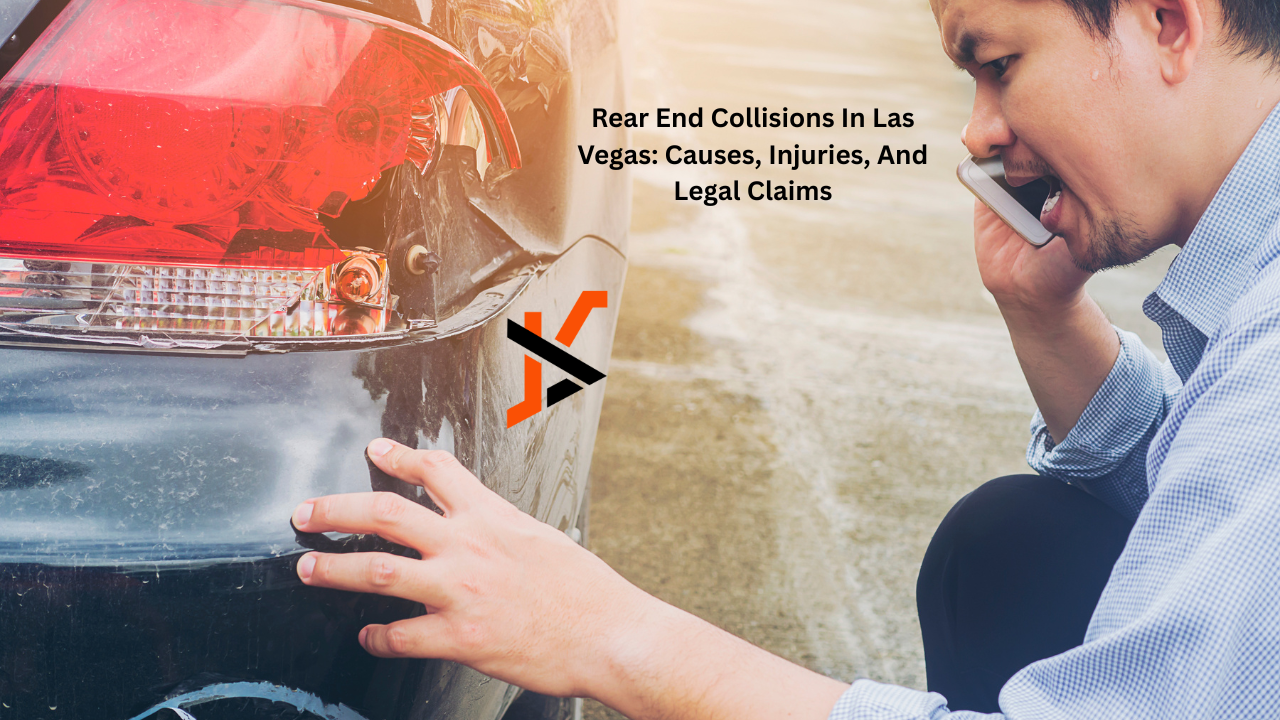
Rear end collisions in Las Vegas happen fast and hit hard. One moment you sit at a light on Sahara or Flamingo. Then a sudden impact snaps your body forward. Your neck burns. Your back tightens. Your mind races. You wonder if you should move your car, call police, or speak with insurance. You may feel pressure to shrug it off. That pressure is dangerous. Rear end crashes often cause hidden neck, back, and brain injuries that grow worse over time. You also face medical bills, missed work, and pushy insurance adjusters. This guide explains why these crashes happen, what injuries to watch for, and how legal claims work in Nevada. You learn simple steps to protect your health, your money, and your future. For clear next steps after a crash, use Brian Boyer Injury Firm’s rear-end collision guide as a trusted starting point.
Why Rear End Crashes Happen So Often In Las Vegas
Las Vegas traffic creates constant risk. You see quick lane changes, sudden stops, and drivers who watch their phones more than the road.
Common causes of rear end crashes include:
- Following too close in heavy traffic
- Speeding on surface streets and freeways
- Texting or using apps at red lights
- Driving tired after long shifts or late nights
- Drunk or drug impaired driving
- Sudden stops for pedestrians or rideshare pickups
The National Highway Traffic Safety Administration explains that distracted driving takes your eyes, hands, or mind away from driving. Even a few seconds at 40 miles per hour can erase your stopping distance. You can read more about distraction and crash risk on the NHTSA distracted driving page.
Typical Injuries After A Rear End Collision
You might walk away from a crash and still be hurt. Pain can build over hours or days. That delay can fool you and also give insurance a reason to doubt your claim.
- Neck strain and whiplash
- Upper and lower back strain
- Herniated or bulging discs
- Concussions and other brain injuries
- Shoulder and knee injuries from bracing
- Chest injuries from the seat belt
The Centers for Disease Control and Prevention explains that even a mild concussion can change memory, sleep, and mood. You can review common signs on the CDC concussion symptoms page.
Rear End Collisions Compared To Other Crashes
Every crash is unique. Still, rear end collisions share patterns that affect your health and your claim.
| Crash Type | Typical Cause | Common Injuries | Claim Issues |
|---|---|---|---|
| Rear End | Following too close or distraction | Neck, back, brain | Insurer doubts pain when car damage looks minor |
| Side Impact | Running red lights or stop signs | Chest, hips, head | Fights over who had the right of way |
| Head On | Wrong way or drifting across lanes | Whole body, high risk of death | Often clear fault, very high damages |
Rear end crashes often bring lower property damage and higher pain levels. That gap gives insurance an easy excuse to question you. Careful records close that gap.
What To Do Right After A Rear End Collision
Your actions in the first hour shape your health and your claim. Take these steps when you can do so safely.
- Move to a safe spot if cars block traffic
- Call 911 if anyone feels hurt or traffic is heavy
- Ask for a police report number
- Exchange names, contact details, and insurance
- Take photos of damage, skid marks, and traffic signs
- Get names and numbers of witnesses
- Write down how your body feels before you forget
Next you should seek medical care the same day if possible. Tell the doctor every symptom. That record links your injuries to the crash.
Medical Care And Recovery Choices
You might feel tempted to wait and see if the pain fades. That choice can harm your health and also harm your claim.
Instead you should:
- Visit urgent care or an emergency room for sudden or strong pain
- Follow up with your regular doctor
- Keep every appointment
- Follow work restrictions and activity limits
- Save receipts for medicine, braces, and devices
Consistent care shows that you take your health seriously. It also shows that the crash changed your daily life.
How Nevada Law Looks At Rear End Collisions
Nevada traffic law requires drivers to leave enough space to stop. In many rear end crashes, fault rests with the driver who hit you from behind. Still, insurance might try to blame sudden stops, brake lights, or weather.
Nevada also uses shared fault rules. If both drivers share blame, your payment can be reduced. Careful facts and strong records protect you from unfair blame.
Building A Strong Legal Claim
You protect your claim when you protect your proof. Start early and stay organized.
Collect and keep:
- Police reports
- Witness names and statements
- Photos of the scene and your injuries
- All medical records and bills
- Proof of missed work and lost income
- A journal of pain, sleep changes, and limits at home
Then share this set with a trusted lawyer who handles injury claims. A focused lawyer can speak with insurance for you, watch deadlines, and push for fair payment.
Protecting Your Family After A Crash
A rear end collision affects more than your body. It shakes your family. It strains money, time, and patience.
You can support your family by:
- Explaining the crash in simple, calm words
- Keeping a routine for children when possible
- Asking relatives or neighbors for help with rides or chores
- Talking with a counselor if fear or stress lingers
You also protect your family when you stand up for fair treatment. Careful steps today can support your recovery for years.
Next Steps
A rear end collision in Las Vegas can shatter a normal day. It doesn’t have to define the course of your life. You can seek care, record what happened, and ask for fair payment with calm focus. You do not need to face pressure from insurance alone. Strong information, clear records, and steady support give you power after a crash.
