

There’s a particular kind of frustration that comes from reaching for a screwdriver mid-repair, only to find it slipping, straining your wrist, or leaving rust marks on your workbench. For anyone who has tackled home repairs with subpar tools, that experience is all too familiar. The right tool doesn’t just make the job easier — it makes it possible.
Among all the tools a homeowner keeps on hand, the handheld screwdriver remains one of the most essential. From tightening cabinet hinges to opening electronics for battery swaps, it’s the workhorse of everyday maintenance. Yet not all screwdrivers are created equal, and the material of the handle and body makes a significant difference in performance.
This is where aluminum alloy handheld screwdrivers stand apart. Combining exceptional strength with a surprisingly low weight, aluminum alloy screwdrivers address the two most common complaints homeowners have about their tools: they’re either too heavy to use comfortably for extended tasks, or too flimsy to trust with anything demanding. This article explores why aluminum alloy represents the smartest choice for modern home repair needs, and how the right screwdriver can transform your approach to everyday fixes.
The Evolution and Superiority of Aluminum Alloy Handheld Screwdrivers
The humble screwdriver has come a long way from its origins as a simple wooden-handled steel implement. Early screwdrivers relied entirely on hardened steel shafts paired with whatever handle material was available — wood, bone, or later, molded plastic. Each generation of materials brought tradeoffs: steel handles were durable but punishingly heavy, while plastic reduced weight at the cost of structural integrity. For decades, homeowners simply accepted these limitations as part of the deal. Then aluminum alloy changed the conversation entirely.
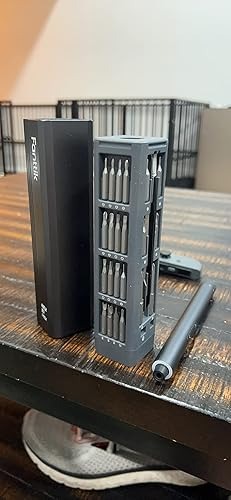
Aluminum alloy represents a genuine leap forward in tool engineering, not just a cosmetic upgrade. The material’s strength-to-weight ratio outperforms both traditional steel and plastic, delivering a handheld screwdriver that feels substantial in the hand without causing fatigue during extended use. Where a steel-bodied screwdriver might leave your forearm aching after an afternoon of furniture assembly, an aluminum alloy screwdriver maintains the same structural rigidity at a fraction of the mass. That difference is felt immediately and appreciated over time.
Material Advantages Over Traditional Options
Comparing materials side by side reveals why the aluminum alloy screwdriver has earned its reputation. Steel, while undeniably strong, is susceptible to oxidation — leave a steel-handled tool in a humid garage long enough, and rust becomes an inevitability. Plastic avoids corrosion but introduces fragility; handles crack under torque pressure, and the tool becomes unreliable precisely when you need it most. Aluminum alloy sidesteps both problems. It resists corrosion naturally without requiring coatings or treatments, and its structural density handles demanding torque without flexing or fracturing. Beyond pure performance, the material carries a clean, professional aesthetic that reflects the precision engineering behind it — a detail that matters to homeowners who take their tools seriously.
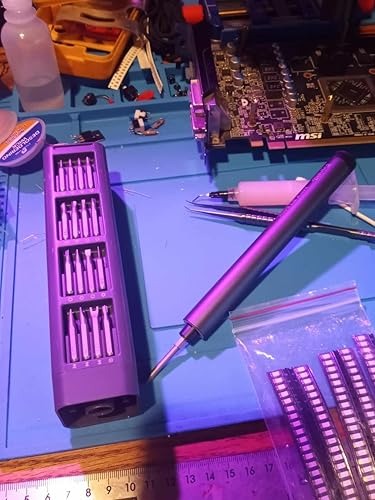
Addressing Homeowner Needs: Durability and Lightweight Design
Most homeowners aren’t professional technicians — they’re people who need to tighten a loose door hinge before guests arrive, swap out a light fixture on a Sunday afternoon, or open up a tablet to replace a worn battery. These tasks demand a tool that performs reliably without requiring a course in proper technique. Aluminum alloy screwdrivers meet that bar consistently, offering the kind of dependable performance that makes minor repairs feel manageable rather than daunting.
Durability is the first concern for anyone who has watched a plastic-handled screwdriver crack under pressure at the worst possible moment. Aluminum alloy handles the mechanical stress of daily use without degrading. Whether you’re driving screws into hardwood or working through stubborn fasteners in aging appliances, the structural integrity holds. Over months and years of regular use, that reliability compounds — the tool you reach for today performs exactly as it did the day you bought it.
Lightweight design addresses the second major concern: hand fatigue. Extended repairs — reassembling furniture, working through a set of cabinet doors, or tackling a disassembly project on a laptop — demand sustained grip and controlled pressure. A heavy tool transfers that burden directly to your wrist and forearm. Aluminum alloy’s reduced mass keeps the tool feeling balanced and responsive, so a two-hour project doesn’t leave your hand cramped and unsteady.
Solution Steps for Effective Home Repairs
Getting the most from an aluminum alloy screwdriver starts before you turn a single fastener. First, assess the repair task honestly — identify the screw types involved and the access constraints you’ll face. A tight electronics bay requires a different approach than an open furniture frame. Second, match your screwdriver size and tip type to the task. Using an oversized tip on a small precision screw strips the head immediately, while an undersized tip loses torque on larger fasteners. Third, leverage the lightweight design by maintaining a relaxed grip rather than white-knuckling the handle — aluminum alloy’s balance means you don’t need to compensate for tool weight, and a lighter grip gives you better feedback on resistance. Finally, keep the tool clean and dry between uses. Aluminum alloy requires minimal maintenance, but wiping down the handle and inspecting the tip for wear after demanding jobs extends both the tool’s lifespan and the quality of your work.
Key Features of High-Quality Aluminum Alloy Screwdrivers
When homeowners evaluate screwdrivers, the conversation often stops at price or brand recognition. But the features that actually determine a tool’s usefulness in real repair situations run deeper than marketing. High-quality aluminum alloy screwdrivers distinguish themselves through a combination of material grade, engineering precision, and thoughtful design choices that collectively determine how the tool performs when it matters. Understanding what to look for shifts purchasing decisions from guesswork to informed selection.
Material grade is the foundation. Not all aluminum alloys are equivalent — the specific composition affects hardness, corrosion resistance, and how well the material holds up under repeated mechanical stress. Aerospace-grade aluminum alloys, commonly used in premium tools, offer significantly better performance than generic aluminum composites. The difference shows up over time: a well-graded alloy maintains its structural integrity through years of demanding use, while lower-grade materials develop micro-fractures or surface degradation that compromises both feel and function. Precision-machined tips are equally critical. A tip manufactured to tight tolerances fits fastener heads cleanly, reducing cam-out — the frustrating slip that strips screws and damages surfaces. Ergonomic grip design rounds out the picture, with textured or contoured handles that maintain secure contact even when hands are oily or fatigued.
The Role of Compact Design in User Comfort
Compact design isn’t simply about making a tool smaller — it’s about making it smarter. In home repair contexts, the spaces you need to reach are rarely open and accommodating. Electronics housings, cabinet interiors, and furniture frames all present tight access challenges where a bulky tool becomes an obstacle rather than an asset. A compact aluminum alloy screwdriver navigates these constraints without requiring awkward repositioning or improvised workarounds. The reduced profile translates directly into better control, since you’re not fighting the tool’s geometry to reach the fastener.
Beyond access, compact design reduces cumulative strain during extended repairs. A shorter, lighter tool requires less wrist rotation and arm extension to position correctly, which means less fatigue over a multi-hour project. Storage and portability benefit as well — a compact screwdriver fits comfortably in a kitchen drawer, a toolbox slot, or even a jacket pocket for quick access during travel or on-site fixes. For homeowners who prioritize a lean, efficient toolkit, compact design transforms the screwdriver from a single-purpose bench tool into a versatile companion for repairs wherever they arise.
Spotlight on Fanttik E1 MAX: A Case Study in Excellence
When the principles of aluminum alloy engineering come together in a single tool, the result looks something like the Fanttik E1 MAX. This handheld screwdriver serves as a practical demonstration of what thoughtful material selection and precision manufacturing actually produce — not in theory, but in the hands of a homeowner facing a real repair on a Tuesday evening.
The Fanttik E1 MAX is built around an aluminum alloy construction that delivers the strength-to-weight balance this material is known for. The body resists the corrosion and surface degradation that plague steel alternatives, while the compact form factor makes it genuinely portable — small enough to keep in a kitchen drawer or slip into a bag without a second thought. That accessibility matters, because the best tool is the one you actually reach for rather than the one sitting in a garage across the house.
In real-world home repair applications, the Fanttik E1 MAX handles the full range of everyday tasks with consistency. Electronics disassembly, furniture assembly, appliance maintenance — the precision tip engagement reduces cam-out on sensitive fasteners, while the aluminum alloy body absorbs torque without transferring uncomfortable vibration to the hand. For homeowners who want a high-quality solution without the complexity of a professional-grade toolkit, the Fanttik E1 MAX represents exactly the kind of reliable, well-engineered tool that earns a permanent place in any home repair setup.
Practical Guide: Choosing and Using Aluminum Alloy Screwdrivers for Optimal Results
Selecting the right aluminum alloy screwdriver comes down to a few practical considerations that separate a genuinely useful purchase from one that collects dust. Start with bit variety — a screwdriver set that covers Phillips, flathead, Torx, and hex configurations handles the overwhelming majority of home repair scenarios without requiring additional purchases. If you’re frequently working on electronics, prioritize sets that include precision sizes alongside standard ones. Torque compatibility matters too: verify that the tool’s construction supports the fastener sizes you’ll encounter most, since a precision screwdriver optimized for electronics isn’t the right choice for driving cabinet hardware.
Integrating an aluminum alloy screwdriver into your home toolkit works best when you treat it as a primary tool rather than a backup. Keep it accessible — a kitchen drawer or a dedicated spot in a compact toolbox puts it within reach for the quick fixes that otherwise get postponed. For best practices during repairs, let the tool do the work: aluminum alloy’s structural integrity means you don’t need to force fasteners. Apply steady, controlled pressure and let the tip engagement do its job. After demanding projects, wipe the tool down and check the tip condition. A worn tip is the leading cause of stripped screws, and replacing a bit costs far less than repairing a damaged fastener head. With the right selection and consistent habits, an aluminum alloy screwdriver becomes the most-reached-for tool in your entire kit.
The Smart Choice for Every Home Repair Toolkit
Aluminum alloy handheld screwdrivers have earned their place as the definitive choice for homeowners who want tools that genuinely perform. The case for them rests on three pillars that address real-world repair demands: durability that outlasts steel’s rust vulnerabilities and plastic’s structural failures, a lightweight design that keeps hand fatigue from turning a simple project into an ordeal, and the kind of precision engineering that makes every fastener engagement clean and controlled.
For homeowners navigating the full range of everyday repairs — from electronics disassembly to furniture assembly to appliance maintenance — these qualities aren’t abstract advantages. They translate directly into repairs that get done correctly, without stripped screws, cramped wrists, or the quiet dread of reaching for a tool you can’t trust. The Fanttik E1 MAX exemplifies what this combination of material science and thoughtful design looks like in practice, but the broader principle holds across quality aluminum alloy options.
Investing in the right tools is ultimately an investment in your own capability. A well-chosen aluminum alloy screwdriver doesn’t just sit in a drawer — it becomes the first thing you reach for, the tool that makes minor repairs feel routine rather than frustrating. That reliability, compounded across years of use, is exactly what separates a good toolkit from a great one.
