

Home entertainment has undergone a dramatic transformation in recent years, with more people investing in dedicated spaces designed to deliver cinema-quality experiences without leaving the house. As streaming platforms multiply and display technology advances, one critical element often gets overlooked: where you actually sit. A tech-enhanced home theater seat represents the next frontier in immersive relaxation, bridging the gap between passive furniture and active entertainment technology. For tech-savvy consumers who demand more from their living spaces, the challenge is clear—traditional recliners and sofas simply can’t keep pace with the sophisticated ecosystems surrounding them. Today’s advanced seating solutions integrate massage functions, built-in tablet holders, swivel tray tables, and smart connectivity features that transform a simple chair into a command center for comfort. These aren’t mere upgrades; they’re fundamental reimaginings of what a seat can do. In this article, we’ll explore the key features that define premium tech-enhanced home theater seats and provide a practical guide to help you select the perfect option for your space and lifestyle.
The Evolution of Home Entertainment: Why Tech-Enhanced Seats Matter
The journey from stiff wooden chairs in front of flickering cathode-ray tubes to today’s immersive viewing environments reflects a broader cultural shift in how we consume media. For decades, seating was an afterthought—something functional but disconnected from the entertainment experience itself. A couch faced a screen, and that was considered sufficient. But as home theaters began rivaling commercial cinemas in audio and visual fidelity, a glaring mismatch emerged. People were investing thousands in 4K projectors, Dolby Atmos sound systems, and acoustic treatments while still sitting on furniture designed for a previous era. The home theater seat has become central to modern setups precisely because it completes the sensory loop. When your chair responds to the content you’re watching, holds your devices at the perfect angle, and actively reduces physical tension, it stops being furniture and starts being part of the experience. Today’s consumers expect convenience and luxury to coexist without compromise. They want seating that communicates with their smart home ecosystems, adapts to their body’s needs in real time, and looks as sophisticated as the technology surrounding it. This demand has driven manufacturers to rethink seating from the ground up, treating each chair as a platform for integrated technology rather than a passive object in the room.
Exploring Core Features: From Luxury Recliner to Swivel Tray Table
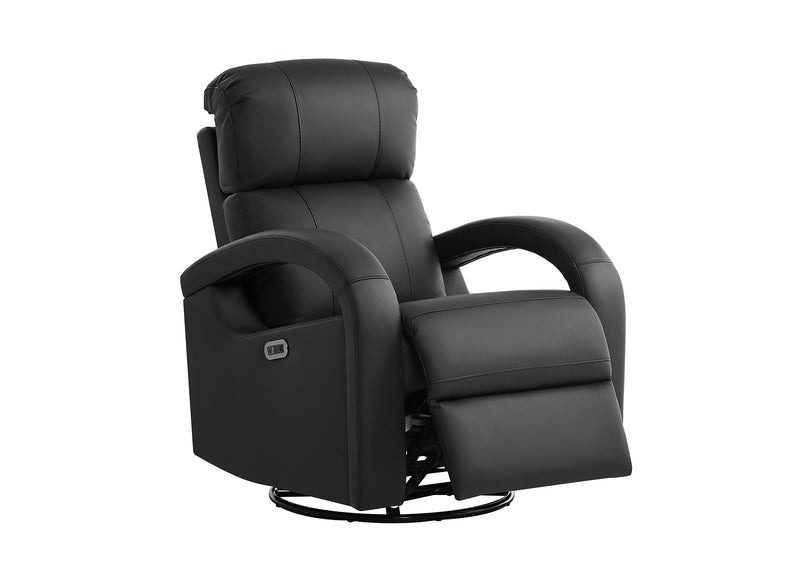
What separates a tech-enhanced home theater seat from ordinary furniture isn’t a single headline feature—it’s the convergence of multiple innovations working together. Each component serves a distinct purpose, yet they combine to create a unified experience that addresses comfort, convenience, and connectivity simultaneously. Understanding these core features helps you identify which elements matter most for your personal setup.
Luxury Recliner: The Foundation of Comfort
At its core, every great home theater seat starts with exceptional recliner engineering. Premium models use high-density memory foam layered over reinforced steel frames, delivering support that conforms to your body without sagging over time. Ergonomic contouring along the lumbar region, headrest, and armrests ensures that extended viewing sessions don’t translate into stiffness or discomfort. Power-adjustable recline settings let you shift from an upright position for gaming to a near-flat configuration for late-night movie marathons with a single button press. For consumers who treat their home theater as a daily retreat, this foundation of adaptive comfort is non-negotiable.
Massage Function: Advanced Relaxation Technology
Built-in massage systems elevate a home theater seat from comfortable to therapeutic. Modern units typically offer multiple modes—shiatsu, kneading, rolling, and vibration—targeting the neck, back, and lumbar areas independently. Beyond the obvious relaxation appeal, regular use can improve circulation, ease muscle tension from desk-bound workdays, and reduce stress hormones. Many seats now pair their massage function with app-based or remote controls, allowing you to customize intensity, zone targeting, and session duration without interrupting what’s on screen.
Tablet Holder: Seamless Tech Integration for Entertainment
A dedicated tablet holder transforms your seat into a multi-screen command station. Adjustable arms position your device at the ideal viewing angle whether you’re following a second-screen sports app, browsing during commercials, or letting kids stream content independently. The best designs incorporate integrated USB charging ports so your device stays powered throughout long sessions, and they fold away cleanly when not in use to maintain the seat’s streamlined appearance.
Swivel Tray Table: Functional Design for Convenience
The swivel tray table addresses a surprisingly persistent problem: where to put everything while you’re seated. Rather than balancing drinks on armrests or reaching awkwardly toward a side table, a built-in tray swings into position exactly where you need it and rotates out of the way when you stand up. These surfaces are sturdy enough for laptops, snack plates, or controllers, and their space-saving design means you don’t sacrifice room layout flexibility. For smaller home theaters where every square foot counts, this multi-purpose accessory proves especially valuable.
Benefits for Tech-Savvy Consumers: Meeting Key Needs
For consumers who already live within connected ecosystems—managing lighting, climate, and entertainment through voice commands or smartphone apps—a tech-enhanced home theater seat fits naturally into their lifestyle rather than disrupting it. Smart home compatibility means your seat can respond to the same triggers as the rest of your environment. Imagine a “movie night” routine that dims lights, powers on your projector, and simultaneously activates your seat’s lumbar heating and preferred massage preset. This level of integration eliminates friction between you and total immersion. Customization stands as another critical advantage. App-based controls let you save personalized profiles for different activities—a firmer posture setting for competitive gaming, a gentle rolling massage for evening wind-down, or a fully reclined zero-gravity position for podcast listening. Each family member can store their own preferences, turning a shared piece of furniture into an individually tailored experience. The long-term value proposition also resonates with this audience. Rather than purchasing separate massage devices, tablet stands, side tables, and smart accessories, a single integrated seat consolidates functionality and reduces clutter. The investment pays dividends daily through improved comfort, reduced physical strain, and an entertainment experience that feels cohesive rather than cobbled together from disconnected components.
Step-by-Step Guide to Choosing Your Tech-Enhanced Home Theater Seat
Selecting the right tech-enhanced home theater seat requires more than browsing product photos and picking the one that looks most appealing. A structured approach ensures you end up with a seat that genuinely fits your space, habits, and technological ecosystem. Follow these four steps to make a confident, informed decision.
Step 1: Assess Your Home Theater Environment
Start by measuring your room carefully, accounting not only for the seat’s footprint but also for the clearance needed when it fully reclines. A common mistake is choosing a seat that fits perfectly in its upright position but collides with a back wall or neighboring furniture once extended. Map out your existing tech setup—note where power outlets are located, how your speaker system is arranged, and whether your screen’s viewing angle works with the seat’s intended position. If you’re planning a multi-seat configuration, sketch out the layout to confirm that each seat has unobstructed sightlines and adequate spacing for swivel tray tables to deploy without interference.
Step 2: Prioritize Features Based on Personal Preferences
Not every feature carries equal weight for every user. If you spend long hours working remotely before transitioning into evening entertainment, a robust massage function with targeted lumbar and neck programs should rank high on your list. Frequent multitaskers who browse on tablets while watching will benefit most from an adjustable tablet holder with integrated charging. Gamers might prioritize responsive recline adjustments and sturdy armrests over a swivel tray table. Write down your three most common activities in the seat and match each one to the feature that supports it best—this prevents you from overpaying for capabilities you’ll rarely use.
Step 3: Check Technology Compatibility and Connectivity
Before committing, verify that the seat’s smart features integrate smoothly with your existing devices. Confirm whether it supports Bluetooth, Wi-Fi, or app-based controls compatible with your phone’s operating system. If you use a smart home hub, check whether the seat can be incorporated into automated routines. USB port types matter too—ensure they match the charging cables your household actually uses. A seat with impressive specs on paper loses its appeal quickly if connecting it to your ecosystem requires workarounds or adapters that add complexity rather than convenience.
Step 4: Evaluate Budget and Value for Investment
Think beyond the sticker price and consider what you’re consolidating into a single purchase. A tech-enhanced home theater seat that replaces a separate recliner, standalone massage device, tablet stand, and side table can represent meaningful savings and reduced clutter compared to buying each item individually. Manufacturers like Weilianda have recognized this consolidation trend, designing seats that bundle multiple functional elements into cohesive units built for long-term daily use. Examine warranty coverage closely—look for manufacturers that back their motors, frames, and electronic components separately, since these wear at different rates. Read owner reviews focused on durability after six months or more of use rather than initial impressions. The best value comes from seats built to maintain their comfort and functionality over years of daily use, not from chasing the lowest upfront cost.
Maximizing Your Experience: Setup and Maintenance Tips
Getting the most from your tech-enhanced home theater seat depends heavily on how thoughtfully you install and maintain it. Start with positioning—place the seat so that your eye level aligns naturally with the center of your screen when reclined at your most-used angle. This eliminates neck strain and keeps you from unconsciously adjusting your posture throughout a film. Leave at least six inches of clearance behind the seat for full recline travel, and route power cables along baseboards or under carpet edges to prevent tripping hazards and visual clutter.
For the swivel tray table, test its deployment arc before finalizing your seat’s location relative to walls or adjacent chairs. You want it to swing freely into position without bumping anything, and you’ll want the surface to land comfortably over your lap rather than forcing you to lean forward. If your seat includes wireless connectivity, position your Wi-Fi router or smart home hub within reasonable range to avoid signal drops that interrupt app-based massage controls or automated routines.
Maintenance keeps every feature performing as intended over the long haul. Wipe down leather or synthetic upholstery monthly with manufacturer-recommended cleaners to prevent cracking, especially around high-contact zones like armrests and headrests. Vacuum fabric seats to remove debris that can work its way into mechanical joints. Inspect USB ports and charging connections periodically for dust buildup, using compressed air to clear them. For the massage function, run a brief cycle weekly even during periods of light use—this keeps internal motors lubricated and prevents stiffness in rollers that sit idle too long. Tighten any visible hardware on the swivel tray table every few months, since repeated rotation naturally loosens fasteners over time. These small habits ensure your investment continues delivering premium comfort and seamless technology integration for years.
Transform Your Viewing Experience with the Right Tech-Enhanced Seat
The tech-enhanced home theater seat represents a natural evolution for anyone serious about their home entertainment environment. As we’ve explored, these seats go far beyond traditional recliners by combining ergonomic luxury with purposeful technology—massage functions that deliver genuine therapeutic benefits, tablet holders that support multi-screen lifestyles, and swivel tray tables that solve everyday convenience problems without compromising room aesthetics. For tech-savvy consumers who already embrace smart home ecosystems and demand seamless integration across their devices, these seats fill the final gap between exceptional audiovisual equipment and truly immersive comfort. The structured selection guide outlined here—assessing your environment, prioritizing features that match your habits, confirming technology compatibility, and evaluating long-term value—gives you a reliable framework for making a decision you’ll appreciate every day rather than regretting within months. Proper setup and consistent maintenance then ensure that your investment performs at its best for years to come. Ultimately, upgrading to a tech-enhanced home theater seat isn’t about adding another gadget to your life. It’s about transforming passive sitting into an active, personalized experience where relaxation, entertainment, and technology converge into something genuinely greater than the sum of its parts.
