

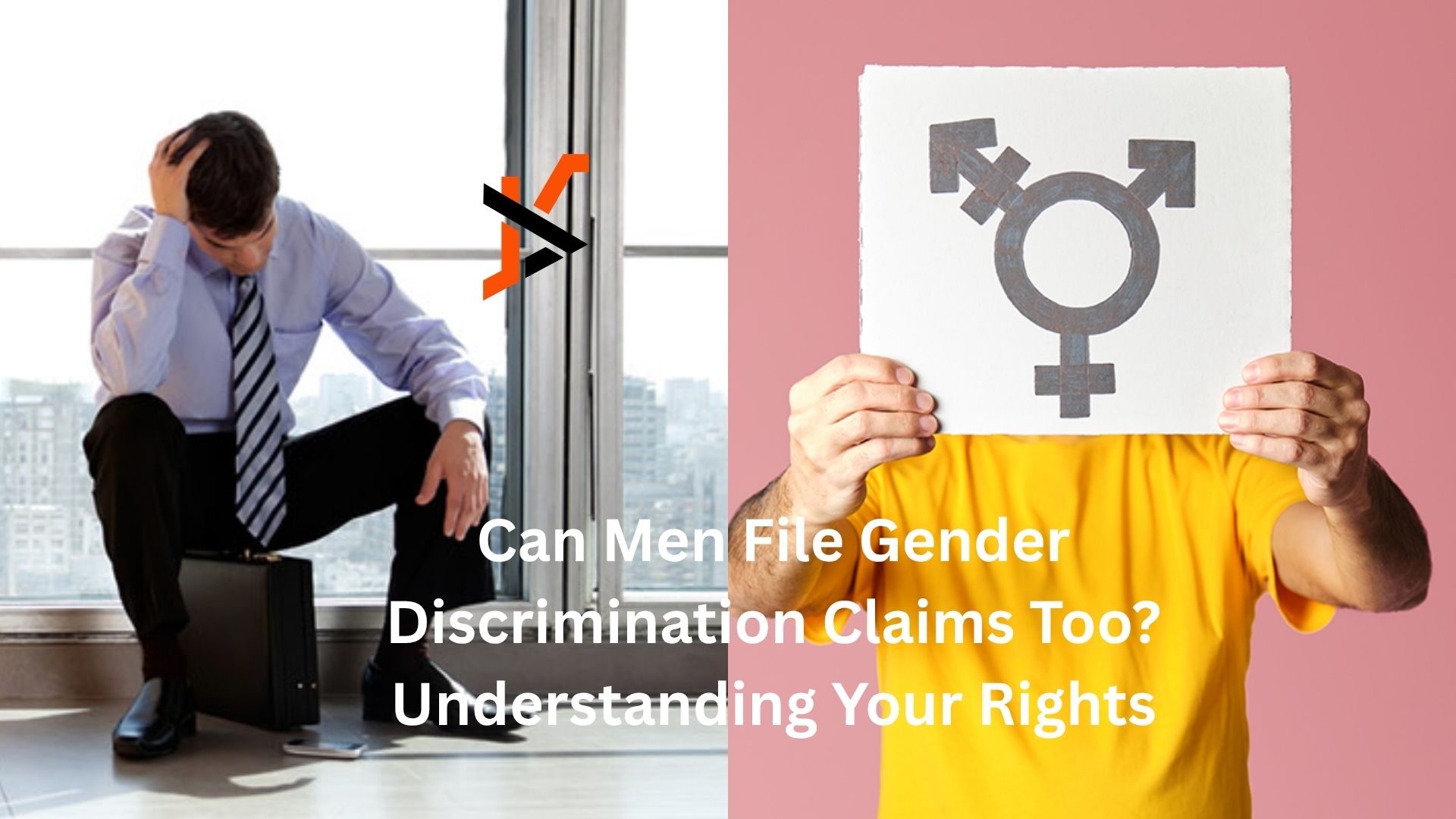
Gender discrimination cuts in every direction. You may feel confused or even ashamed if you are a man facing it. Yet the law protects you too. You have the same rights as any woman when you lose a promotion, face harassment, or get punished because of your sex. That unfair treatment can leave you angry, worried about money, and unsure who will listen. It can also isolate you. Many people still believe men should stay quiet and endure it. That belief is wrong. Federal and state laws reject it. This blog explains when sex based bias against men breaks the law, what proof matters, and how to respond at work. It also shows when you may need a gender discrimination lawyer San Antonio or in another city. You deserve clear answers, steady guidance, and respect for your courage in speaking up.
Yes, men can file gender discrimination claims
Federal law protects you from unfair treatment because you are a man. Title VII of the Civil Rights Act bars sex discrimination in most workplaces with 15 or more employees. The law uses the word “sex.” Courts read that word to cover men and women.
You can learn more about federal protections from the Equal Employment Opportunity Commission at https://www.eeoc.gov/sex-based-discrimination. The law does not rank one sex as more worthy of respect. It shields everyone.
You may have a claim if your sex is a reason for
- Hiring or firing decisions
- Pay or bonus cuts
- Loss of shifts or choice assignments
- Hostile jokes or slurs about men
- Different rules for men and women
Courts look at facts. They look at patterns. They do not dismiss a case just because the person harmed is a man.
Common examples of discrimination against men
Gender bias against men often hides behind old beliefs about how men “should” act. Those beliefs can touch many parts of your job.
Here are three common patterns
- Assuming women are more “caring” so they get preferred roles in teaching, nursing, or HR
- Assuming men are “tough” so they get denied leave or flexibility for caregiving
- Mocking or punishing men who speak up about harassment from coworkers or supervisors
Bias can show up in the hiring process. A manager may say a job is “better for a woman” or that male candidates will “not fit the culture.” It can also show up in discipline. A company may fire men for conduct that earns women only a warning.
None of that is harmless. It affects your pay, your growth, and your health.
Harassment of men at work
Harassment is a form of discrimination. It becomes illegal when it is severe or frequent and when it affects your job or creates a hostile setting.
Harassment of men can include
- Sexual jokes, comments, or pictures aimed at you as a man
- Unwanted touching from anyone at work
- Rumors about your manhood, sexual history, or body
- Threats or pressure to trade sexual acts for job benefits
- Daily insults that men are “useless” or “stupid”
Harassers can be women or men. They can be bosses, coworkers, or even customers. The key question is whether the conduct is because of your sex and whether it is serious enough to change your work setting.
The EEOC explains harassment rules at https://www.eeoc.gov/harassment. Those rules apply to you as a man. You do not need to prove perfect behavior. You only need to show that you did not welcome the conduct.
How men and women experience discrimination
Men and women both face discrimination. Yet the form of that harm often looks different. The table below shows a short comparison.
| Issue | Common impact on women | Common impact on men |
|---|---|---|
| Hiring and promotion | Passed over for leadership roles | Shut out of “care” or support roles |
| Pay and benefits | Lower pay for same work | Pressure to refuse leave or flex time |
| Harassment | Unwanted sexual contact and comments | Mockery or disbelief when reporting abuse |
| Stereotypes | Labeled “too emotional” or “too soft” | Labeled “weak” if they ask for help |
| Reporting | Fear of retaliation | Fear of ridicule and shame |
Both sets of harm count. The law does not weigh one more than the other. It asks whether your sex caused unfair treatment that hurt your job.
What proof should you collect
You help your own case when you collect clear proof. Start as soon as you notice a pattern.
Key steps include
- Write down each event with dates, times, places, and names
- Save emails, texts, chat messages, and social media posts
- Keep copies of reviews, warnings, and write ups
- Note how women are treated in similar cases
- Identify coworkers who saw or heard what happened
Also track the impact on you. Keep notes about lost pay, missed promotions, unpaid leave, or health costs. That record shows your harm in plain terms.
Steps you can take at work
You control your response even when you do not control others. You can follow three core steps.
First, read your employer’s policy. Most workplaces have a written rule on discrimination and harassment. Learn the process. Then use it.
Second, report the conduct in writing. Send a clear email to HR or a manager. State that you believe you are facing sex or gender discrimination. Describe the main events and ask for an investigation.
Third, keep copies of each report and response. Store them at home. They become proof that you tried to fix the problem inside the company.
When to file a legal charge
If the company ignores you, blames you, or punishes you, you may need outside help. You often must file a charge with the EEOC or a state agency before you can sue.
Deadlines are short. In many cases you have 180 days from the act of discrimination to file with the EEOC. Some states give you more time. You can start the process by visiting an EEOC office or by using the EEOC public portal.
You do not need a lawyer to file a charge. Yet guidance from someone who knows the process can protect your rights. That support can be especially important if your job or health is at risk.
You are not alone
Gender discrimination against men is real. It is painful. It is also against the law. You have the right to fair treatment, a safe workplace, and equal chances to grow.
You do not need to suffer in silence. You can speak up, document what happens, report the conduct, and seek help from a trusted advocate or legal guide.
Taking that step is not a sign of weakness. It is a sign of strength and self respect.
