

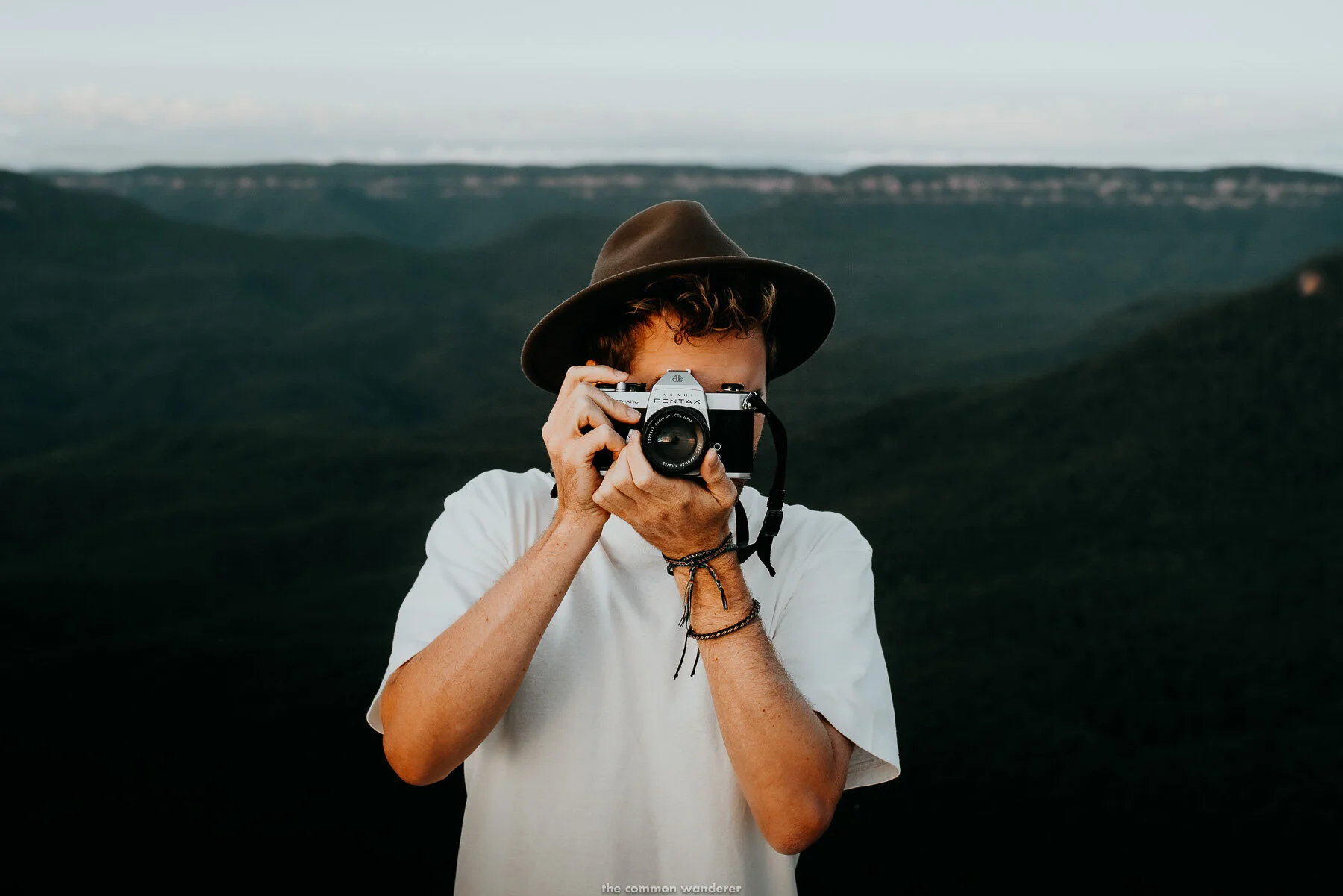
Buying your first camera can feel a little like standing in a camera shop with a hundred different doors in front of you. Mirrorless, DSLR, compact, full-frame, APS-C, megapixels, lenses, sensors—the terminology alone can make photography feel more complicated than it needs to be.
But here’s the good news: you don’t need the most expensive camera, the newest model, or the longest list of features to become a better photographer. The right camera is simply the one that fits your goals, your habits, and the way you want to learn.
Think about it this way. A camera is not just a device for taking pictures. It is a learning tool. The more comfortable you are using it, the more willing you’ll be to experiment, make mistakes, and eventually develop your own creative style.
So, before you spend your money, let’s look at what really matters.
Start With the Photographer, Not the Camera
One of the most common mistakes beginners make is starting with camera specifications instead of thinking about what they actually want to photograph.
Ask yourself a few simple questions.
Do you dream of photographing landscapes during weekend hikes? Maybe you’re interested in portraits of friends and family. Perhaps you want to capture your travels, photograph sporting events, or experiment with street photography.
Your answer can dramatically change what makes a camera suitable.
For example, someone who spends most weekends hiking may care more about weight and battery life than having an enormous number of megapixels. A budding portrait photographer, on the other hand, may be more interested in lens options and how well the camera performs in low light.
There is no universally “best” camera. There is only the best camera for what you want to do.
Understand the Main Camera Types
You don’t need to become a camera expert before making your first purchase, but understanding the basic categories can make the decision much easier.
Compact cameras are generally small and convenient. They’re useful for casual photography and travel when carrying a larger setup isn’t practical.
Mirrorless cameras have become particularly popular because they can combine excellent image quality with relatively compact bodies. They also offer features such as electronic viewfinders, fast autofocus, and extensive video capabilities.
A dslr camera uses a mirror mechanism and optical viewfinder. Although mirrorless technology has grown rapidly, DSLRs remain capable photographic tools and can be especially appealing to people who enjoy a traditional shooting experience.
Smartphones deserve a mention, too. Modern phones are surprisingly powerful and can produce excellent images. In fact, learning composition, lighting, and timing with your phone can be a fantastic way to build photography skills before investing in dedicated equipment.
Don’t Get Trapped by the Megapixel Race
Walk into a camera shop or browse an online store and you’ll quickly encounter megapixel numbers.
It’s tempting to assume that more megapixels automatically mean better photographs. In reality, it’s not quite that simple.
Megapixels describe image resolution, but image quality depends on many other factors, including the sensor, lens, image processing, lighting, and the photographer’s technique.
Imagine you are photographing your friend at a birthday party. A camera with 45 megapixels won’t magically create beautiful lighting or make the composition interesting. If the room is dark, the subject is poorly positioned, or the photograph is out of focus, extra resolution won’t solve the problem.
Instead of asking, “How many megapixels does this camera have?” ask, “Will this camera give me the image quality I need?”
For most beginners, modern cameras already offer plenty of resolution for social media, prints, portfolios, and everyday creative work.
Pay Attention to the Lens Ecosystem
Here’s something beginners sometimes discover too late: choosing a camera also means choosing a system.
The camera body is only one part of your setup. Lenses can have an enormous impact on the photographs you create.
A standard zoom lens might be ideal when you’re starting because it gives you flexibility. You can photograph landscapes at a wider focal length and then zoom in for a portrait without changing lenses.
Later, you might discover that you love portraits and decide to buy a prime lens with a wide aperture. Or perhaps you become interested in wildlife photography and need a longer telephoto lens.
Before buying a camera, take a few minutes to research the lenses available for that system. Look at their prices, sizes, and variety.
A cheaper camera with access to affordable lenses may ultimately be a better investment than an expensive body paired with a system that is difficult or costly to expand.
Think About How You Actually Learn
Photography is a skill, and skills develop through practice.
This means your camera should encourage you to pick it up and use it.
If a camera feels so complicated that you spend more time reading the manual than taking photographs, it may not be the right choice. On the other hand, if you buy an extremely basic camera and quickly feel limited by it, you may lose motivation for a different reason.
Look for a balance.
A good beginner camera should give you room to grow. You might start with automatic mode, then experiment with aperture priority. Eventually, you can learn manual exposure and start deliberately controlling shutter speed, aperture, and ISO.
This gradual process is where technology can genuinely support learning. Modern cameras often provide live previews, focus assistance, histograms, exposure warnings, and other features that help you understand what is happening as you take a photograph.
Instead of simply pressing a button and hoping for the best, you can experiment and immediately see the consequences of changing a setting.
Don’t Underestimate Comfort
Specifications are easy to compare. Comfort is harder to measure—but it matters.
Hold a camera in your hands before buying it if possible.
Does the grip feel natural? Can you reach the controls without awkwardly moving your fingers? Is the camera too heavy for the way you plan to use it?
Imagine you’re traveling through a European city for eight hours. You have a camera, two lenses, a water bottle, and a backpack. A camera that felt wonderfully impressive in a shop may suddenly feel like a brick after several hours of walking.
Similarly, if you photograph events for long periods, battery life and ergonomics can become just as important as image quality.
The camera you enjoy carrying is the camera you’re more likely to use.
Consider Buying Used
Photography equipment doesn’t necessarily have to be brand new.
A carefully chosen used camera can give beginners access to significantly better equipment for the same budget. Professional photographers frequently upgrade their bodies, meaning perfectly capable older models can appear on the second-hand market.
If you decide to buy used, check the camera carefully. Look for excessive physical damage, inspect the sensor and lens mount, test the buttons and dials, and check whether the camera functions correctly.
Also remember that older equipment isn’t automatically inferior. A camera released several years ago can still produce excellent photographs.
Technology moves quickly, but creativity doesn’t have an expiration date.
Set a Budget Beyond the Camera Body
It’s easy to spend your entire budget on the camera and then realize you still need a memory card, spare battery, bag, tripod, and lens.
Before buying anything, create a realistic total budget.
You don’t need every accessory immediately. Start with the essentials and add equipment as your interests develop.
For example, if you’re starting with portrait photography, investing in a suitable lens may make a much bigger difference than buying an expensive tripod you rarely use.
This approach also keeps photography enjoyable. You aren’t turning a creative hobby into an endless shopping list.
Give Yourself Room to Experiment
Perhaps the most important thing to remember is that your first camera does not define the photographer you will become.
Your interests will change.
You might start by photographing sunsets and eventually discover street photography. You might think you’re interested in landscapes before realizing that portraits are much more exciting. You could even find yourself becoming fascinated by macro photography after noticing details you’d previously ignored.
That’s part of the journey.
Technology can open doors, but curiosity is what makes you walk through them. Try different settings. Photograph the same subject at different times of day. Compare different focal lengths. Make deliberately imperfect photographs just to see what happens.
One of the best exercises is to give yourself a small challenge. For example, take ten photographs of the same ordinary object, but make every image look different. Change the perspective, distance, lighting, composition, and focus.
Suddenly, something as simple as a coffee cup becomes a photography lesson.
Your Best Camera Is the One That Helps You Keep Shooting
Choosing a camera doesn’t have to be a battle between specifications, brands, and endless reviews.
Start with your photography goals. Think about the environments where you’ll use the camera. Consider its size, controls, lenses, battery life, and room for future growth. Most importantly, choose equipment that makes you want to go outside and take pictures.
Because ultimately, your photography improves through photographs—not through owning better equipment.
The right camera should disappear into the background and let you concentrate on the things that matter: light, people, places, stories, and moments.
So choose carefully, but don’t overthink it. Once you have a capable camera in your hands, the real adventure begins when you stop comparing specifications and start creating.
