

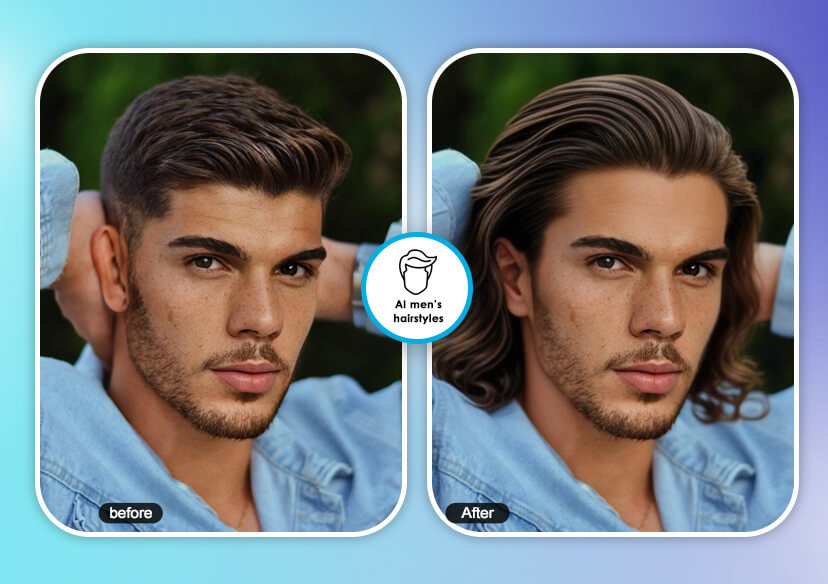
A hairstyle experiment can go wrong before a new haircut is selected. A dim photograph, a dramatic camera angle, or hair covering one eye can make the comparison confusing. The resulting image may look polished, yet it becomes difficult to tell whether the apparent improvement comes from the hairstyle or from changes in lighting and facial detail. Preparing the source photograph is therefore part of the decision, rather than an administrative step before the interesting work begins.
Think of the photograph as a consistent starting point. Its job is to show enough information to compare several visual possibilities. It does not need to look like a magazine portrait, and heavy retouching can actually remove useful information. A simple, recent picture often provides a clearer basis for discussion than a favorite holiday photograph taken several years earlier.
Start with ordinary light
Stand near a window where daylight reaches the face evenly, without a strong stripe of sunlight crossing the forehead. Look for visible detail around both temples and along the jaw. If one side disappears into shadow, turn slightly toward the window or move farther from it. The objective is to make the picture easy to read, rather than to create a dramatic mood.
Very warm indoor bulbs can change how both skin and existing hair color appear. A colored wall can also reflect an unexpected tint. These effects matter when comparing a warm brown with an ash shade, because the source picture already contains a color bias. When possible, use one uncomplicated light source and avoid mixing bright daylight with an orange lamp beside the face.
Keep the camera position repeatable
Hold the camera near eye level and leave a little space above the head. A high angle can make the forehead appear larger, while a low angle changes the apparent relationship between the chin and hairline. Neither angle is inherently wrong for a personal photograph. They are simply less useful when the aim is to judge several hair silhouettes against a familiar view of the face.
Keep your expression relaxed and avoid an extreme head tilt. If possible, place the phone on a stable surface and use its timer. This removes the need to stretch one arm toward the lens, which can unintentionally change the posture of the shoulders and neck. Keep the original image so that later comparisons do not depend on a screenshot of a screenshot.
Give the hairline and face some room
A large hat, a hand beside the cheek, or a scarf pulled high around the jaw can obscure the very boundaries you want to examine. Choose a frame in which the forehead, eyebrows, cheeks, and outline of the head remain recognizable. Move loose objects out of the background if they overlap the hair. There is no need to replace your home with a studio backdrop; a plain wall is usually sufficient.
If your current fringe covers the eyes, take a second reference photograph with it gently moved aside. This does not mean every tool will use both images at once. It means you will have a clear view available if the first experiment proves ambiguous. Avoid pulling the hair so tightly that it changes the apparent hairline or creates a presentation you would never normally see.
Remove the beautifying variables
Disable beauty filters that reshape facial features or smooth away the edges around the hair. A filter can make two images feel more different even when the proposed haircut is similar. It can also make a result seem appealing for reasons unrelated to the hairstyle. The comparison becomes more useful when the source photograph resembles the person who will actually sit in the salon chair.
The same principle applies to elaborate editing after generation. If you adjust exposure, saturation, and facial proportions in one preview, you have introduced several new variables. Save the unedited result first. You can still create a styled moodboard later, but a plain set of comparison images makes it easier to identify which choices you are responding to.
Use one photograph for the first comparison
Once the source is ready, limit the first session to a small group of options. For example, compare a chin-length shape, a shoulder-length shape, and a longer silhouette using the same portrait. A tool such as AI hairstyle previews from a photo provides a way to explore these visual directions. Keep the source and the question consistent so that the results can be compared meaningfully.
Write a short observation under each saved image. “I like the clear outline around the jaw” is more useful than “this is perfect.” Another image might show that a heavy fringe hides an expression you would prefer to keep visible. These notes translate an immediate visual response into a preference you can explain to someone else, even if the simulation itself needs interpretation.
Notice when the source is the problem
If several results have an odd boundary near one ear, inspect the original image before rejecting every style. An accessory, a shadow, or a strand blending into the background may be making that area difficult to interpret. Take a cleaner photograph and repeat only the most promising option. This is a more focused experiment than changing the portrait and hairstyle repeatedly without recording what changed.
Sometimes a fresh picture also helps reveal that the original idea was based on an unfamiliar camera angle. Compare the photograph with what you see in a mirror in ordinary light. You are not trying to establish one officially correct appearance. You are looking for a dependable reference that feels recognizable enough to support a useful personal choice.
Carry the question into a real consultation
A prepared photograph improves the clarity of a visual experiment, but it cannot supply the physical information a stylist obtains in person. Hair density, texture, growth direction, previous processing, and the way a cut moves remain practical considerations. Bring a small selection of images and ask which parts are realistic for your hair, which need adaptation, and what everyday styling would involve.
Keep the original portrait alongside the previews. It provides context for the discussion and makes the digital change easier to interpret. The most useful outcome is not a promise to reproduce a picture exactly. It is a clearer conversation about shape, maintenance, and the features you want to emphasize, supported by images whose starting conditions you understand.
