

When it comes to legal contracts, two words often confuse people: addendum and amendment. If you’re dealing with contracts in the USA—whether for real estate, business deals, or even employment agreements—it’s critical to understand the difference. This guide will make it simple, so even if you’re new to legal terms, you’ll know when to use each one correctly.
What Does Addendum vs Amendment Mean?
At first glance, addendum and amendment may seem like fancy legal jargon, but they actually have very practical meanings in contracts.
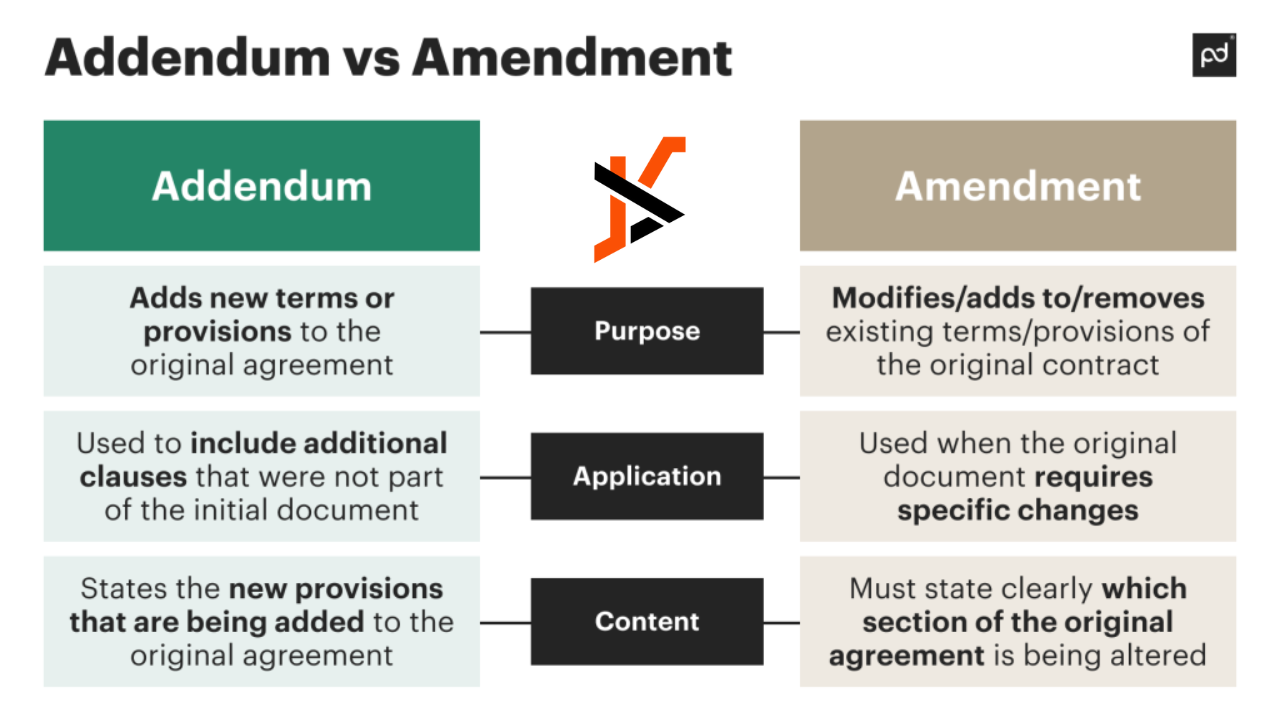
An addendum is something added to an existing contract. Think of it like a post-it note you stick onto a page to include new details that weren’t in the original agreement. For example, if you signed a lease agreement and later decided to add a pet clause, that would be an addendum.
An amendment, on the other hand, changes the terms of the original contract. It’s like editing a document you already wrote. For instance, if you and your landlord agree to change the rental due date from the 1st to the 15th of the month, that’s an amendment.
Both serve different purposes, but they are equally important to keep contracts accurate and enforceable.
Why Are Addendums and Amendments Important?
Contracts are not set in stone forever. In the real world, situations change. Businesses grow, partnerships shift, and unexpected issues pop up. Without proper updates to contracts, parties may face confusion, disputes, or even lawsuits.
Addendums let you introduce completely new elements without rewriting the entire agreement. Amendments let you modify terms so they fit current realities. Both tools help keep the agreement alive and aligned with the parties’ intentions. In the USA, courts often rely on these documents to resolve disagreements, so using them correctly is crucial.
Key Difference Between Addendum and Amendment
The key difference is simple:
- An addendum adds something new.
- An amendment changes something existing.
This may seem subtle, but legally it’s significant. Misusing them could mean your changes aren’t enforceable in court.
Addendum Adds New Stuff
An addendum is used when you need to supplement a contract. It’s like saying, “Oh, and one more thing…” For example, in a real estate contract, a buyer might add an addendum to request the seller include kitchen appliances in the sale. This doesn’t alter any previous terms; it just brings in new terms that everyone agrees to.
Amendment Changes Old Terms
An amendment modifies the actual words or clauses of the existing agreement. It’s about fixing or updating something. Using our earlier example, if a homebuyer and seller agree to push the closing date back two weeks, they would use an amendment to officially record this change.
Example of Each in Real Life
Example of Addendum:
You sign a freelance contract to design a website. Later, the client wants you to also manage their social media. Instead of drafting a brand-new contract, you add an addendum outlining the new scope of work and payment terms.
Example of Amendment:
In the same freelance contract, suppose the client wants to change your payment terms from “net 15” to “net 30.” You don’t add anything new; you just amend that specific term.
These examples show how addendums add and amendments adjust.
When Should You Use an Addendum?
Use an addendum when you’re adding entirely new provisions or agreements to a contract. You should not use it to modify existing terms—only to add.
Common cases include:
- Adding new deliverables in a service agreement
- Including additional payment details
- Adding clauses for contingencies in real estate (e.g., inspections, repairs)
- Specifying extra responsibilities or rights in business contracts
Think of an addendum as expanding the contract’s scope. It keeps the original terms intact but lets both parties agree on fresh additions.
When Should You Use an Amendment?
Use an amendment when you’re modifying existing clauses or conditions. This is like editing the original text to reflect a mutual decision.
You might use an amendment for:
- Changing deadlines or timelines
- Updating payment amounts or schedules
- Modifying responsibilities of parties involved
- Revising terms due to regulatory changes in the USA
Always make sure amendments are written clearly and signed by all parties. Courts in the United States generally reject verbal amendments unless the original contract explicitly allows them.
Common Mistakes People Make
Even seasoned professionals make errors with addendums and amendments. Here are a few pitfalls to avoid:

Mixing Them Up
This happens often. People attach an “addendum” when they actually modified existing terms. Or they amend a contract when they should’ve added a new clause. Mislabeling could confuse the courts and make the update unenforceable.
Forgetting Legal Review
Many people skip having a lawyer review addendums or amendments, thinking they’re minor. But even a small change could have huge implications. A legal review ensures the language is clear and complies with USA contract laws.
Addendum vs Amendment in Real Contracts
In real contracts like leases, employment agreements, or business deals, it’s vital to use the right document. For example:
- Real Estate: Addendums often cover things like repairs or included appliances; amendments might adjust closing dates.
- Employment: An addendum might add a non-compete clause; an amendment could change salary terms.
- Partnership Agreements: Addendums might add a new partner; amendments could revise profit-sharing percentages.
Understanding these real-world uses helps avoid costly mistakes.
Addendum vs Amendment: Easy Comparison
Here’s an easy way to remember:
- Addendum = Adds new terms
- Amendment = Alters old terms
Both require clear language, signatures of all parties, and sometimes even notarization in the USA to be legally binding.
The Bottom Line
Understanding the difference between an addendum and an amendment isn’t just legal trivia—it’s essential for keeping contracts valid and up to date. In the United States, courts expect changes to be documented properly.
Remember:
✔️ Use an addendum when you’re adding new stuff.
✔️ Use an amendment when you’re changing existing terms.
By applying the right document at the right time—and getting legal advice when needed—you’ll avoid confusion, protect your interests, and keep your agreements rock solid.
