

Walk into almost any industrial facility and you will see fluids moving everywhere. Water for cleaning, oils for lubrication, solvents for processing, thick mixtures for waste handling. Each one behaves differently. Some flow like water. Others move slowly and carry solid particles. Managing all of them safely is not as simple as installing a pump and walking away.
Fluid handling plays a bigger role than many people realize. It affects product quality, equipment lifespan, worker safety, and daily production targets. If a pump struggles with thick liquid or leaks corrosive chemicals, the impact spreads quickly across the operation.
This is where air-operated diaphragm pumps come into the picture. These pumps are known for handling a wide range of fluids without complex controls or delicate components. Their simple air-driven design makes them practical in environments where flexibility and reliability matter. Understanding how they fit into modern industrial systems can make a noticeable difference in long-term performance.
Understanding Air-Operated Diaphragm Pump Technology
Air-operated diaphragm pumps use compressed air as their power source. Inside the pump, two flexible diaphragms sit opposite each other. When compressed air enters one chamber, it pushes one diaphragm outward while the other moves inward. This back-and-forth motion creates suction on one side and discharge on the other, allowing fluid to move in a steady cycle.
Check valves inside the pump control the direction of flow. They open and close automatically as pressure changes, preventing fluid from flowing backward. Because the system runs on air, no electric motor is required at the pump itself.
Many industrial facilities explore practical system options, including industrial-grade air-operated designs such as those available through Korax’s pneumatic pump solutions, when evaluating reliable fluid handling equipment.
Another practical benefit is that these pumps are self-priming. They can start moving fluid without being manually filled, and they can handle different fluid types with minimal adjustment.
Why AODD Pumps Work Well for Industrial Fluid Handling
Air-operated diaphragm pumps are known for their flexibility in real working conditions. Their design allows them to perform consistently across different fluid types and operating environments.
Handles Many Types of Fluids
One of the biggest strengths of AODD pumps is versatility. They can handle:
- Thin liquids such as water or light solvents
- Thick oils, greases, and adhesives
- Slurry containing suspended solids
This makes them useful in facilities where fluid properties may change over time. Instead of switching pump types, operators can often rely on the same system to manage different materials.
Safer in Certain Environments
Because these pumps do not rely on electric motors at the transfer point, they reduce the risk of sparks. That makes them suitable for areas where vapors or flammable materials may be present.
They are commonly used in chemical processing areas and coating systems where safety is a daily priority. The air-powered design adds an extra layer of protection in sensitive environments.
Easy Flow Adjustment
Flow rate can be controlled simply by adjusting air pressure. There is no need for complex electrical speed controls or variable frequency drives.
This straightforward setup makes operation practical and easy to manage, especially in facilities that value simplicity and reliability.
Material Selection and Chemical Compatibility
Choosing the right materials is just as important as choosing the right pump design. Every fluid has its own properties, and not all materials react the same way when exposed to chemicals, heat, or abrasive particles.
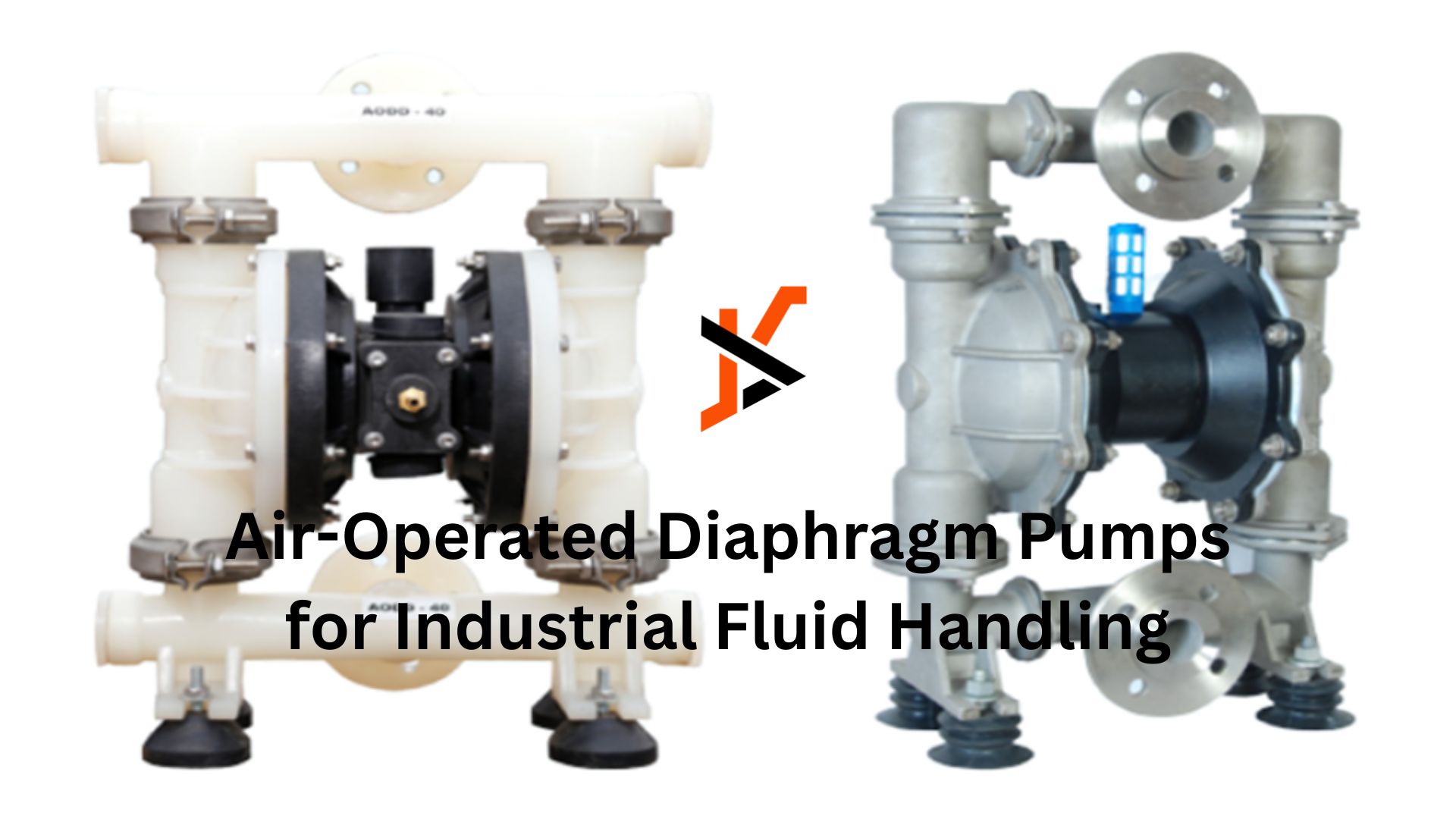
For corrosive fluids, plastic pump bodies such as polypropylene or similar engineered materials are often selected because they resist chemical attack. In contrast, stainless steel or aluminum housings may be chosen when strength and durability under pressure are more important.
Diaphragm material also matters. Some applications require chemical-resistant options, while others may prioritize flexibility or abrasion resistance.
Using the wrong material can lead to problems such as:
- Premature wear
- Cracks in the housing
- Leakage at seals
For example, pumping an acidic solution through a non-resistant metal housing may cause gradual corrosion. Over time, that can create safety concerns and unexpected downtime. Matching material to fluid type helps prevent these issues and supports long-term reliability.
Common Industrial Applications
Air-operated diaphragm pumps are used across many industries because they adapt to different fluids and working conditions. Their simple air-driven design allows them to perform reliably where other pump types may struggle.
Manufacturing Plants
In general manufacturing, these pumps often move raw materials from storage tanks to processing lines. They also support cleaning and washdown systems where water or mild chemicals must be transferred safely. For example, a plant may use them to move cutting fluids or rinse solutions between stations without complex setup.
Wastewater and Sludge Handling
Wastewater facilities deal with thick fluids that may contain debris and solid particles. These pumps can handle high solid content without clogging easily. Sludge transfer, sump emptying, and waste treatment systems commonly rely on this type of equipment.
Chemical and Coating Systems
In chemical processing and paint operations, they are used for solvent transfer and paint circulation. A steady flow helps maintain consistent coating quality in spray systems.
Food and Processing Operations
Some processing facilities use diaphragm pumps for handling viscous liquids such as syrups or flavoring mixtures. When paired with appropriate materials, they can support clean and controlled fluid transfer.
Installation and Maintenance Best Practices
Proper setup plays a major role in long-term performance. A stable air supply is essential consistent operation. Air lines should include filtration and moisture control to prevent internal wear caused by contaminated air.
Routine inspection is equally important. Maintenance teams typically check:
- Diaphragms for signs of wear
- Valves and seals for leakage
- Air connections for pressure stability
Before installation, many teams review detailed specifications from trusted suppliers, including industrial diaphragm pump models for heavy-duty use, to ensure proper sizing and long-term performance.
Regular preventive checks reduce the chance of sudden breakdowns and extend the service life of the pump.
Comparing Air-Operated Pumps to Other Pump Types
Air-operated diaphragm pumps are often compared to centrifugal pumps. Centrifugal models work well for moving large volumes of thin liquids at steady flow rates. However, they may struggle with thick fluids or mixtures containing solids.
Diaphragm pumps offer advantages when handling:
- Viscous liquids
- Slurry with suspended particles
- Fluids that require gentle, controlled movement
Electric pumps may still be preferred in high-flow, low-viscosity applications where energy efficiency is the primary goal. The right choice depends on the application, fluid properties, and operating environment. Selecting a pump based on real working conditions leads to better performance and fewer long-term issues.
Conclusion
Air-operated diaphragm pumps continue to be a dependable option for industrial fluid handling because of their safety, flexibility, and durable design. Their ability to manage different fluid types, including thick or abrasive mixtures, makes them practical across multiple industries.
Still, performance depends on correct sizing and material selection. Matching the pump body and diaphragm materials to the fluid being transferred helps prevent leaks and early wear. A thoughtful evaluation of air supply, maintenance access, and operating demands supports long-term stability.
In the end, choosing the right pump is not just a technical decision. It protects equipment, supports worker safety, and keeps production running smoothly day after day.
