

Missing teeth change how you eat, speak, and even smile. You might avoid certain foods. You might hide your mouth in photos. You might feel alone. You are not. Many people try bridges or Vanier dentures and still feel unsure or uncomfortable. Dental implants offer a different path. They stay in your mouth. You clean them like natural teeth. They help protect your jaw from shrinking. They also support clear speech and steady chewing. This blog explains what implants are, how they work, and what you can expect from the process. It also compares implants with other options, including dentures and bridges. You will see common risks, common myths, and simple questions to ask your dentist. By the end, you can decide if implants fit your health, your budget, and your life.
What A Dental Implant Is
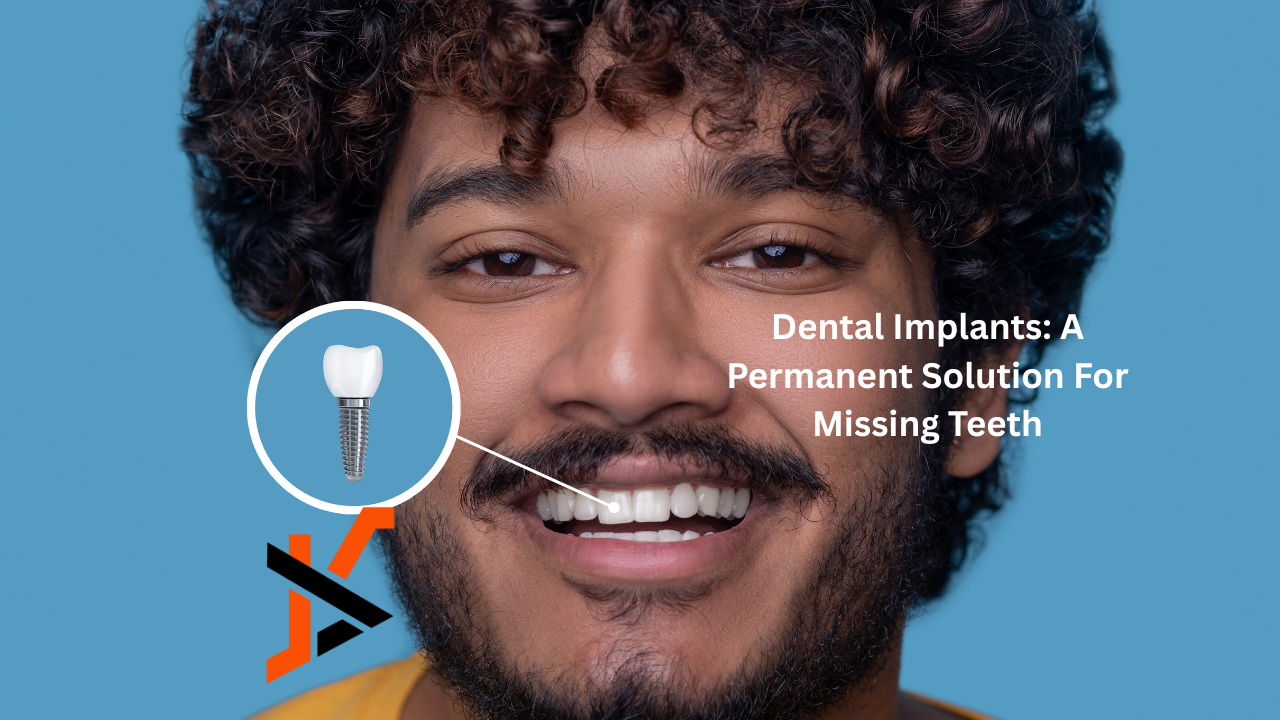
A dental implant is a small metal post that a dentist places in your jaw. It acts like a tooth root. A connector piece goes on top of that post. A crown sits on the connector and looks like a tooth.
You can use implants to replace one tooth, several teeth, or all teeth. You cannot see the post once it heals. You only see the crown that matches your smile.
The main parts are:
- The implant post in the bone
- The connector that joins post and crown
- The crown that shows above the gum
How Dental Implants Work In Your Mouth
After the dentist places the post, your bone grows around it. This process takes time. It creates a tight bond between metal and bone. The post then holds a crown with strong support.
This bond lets you:
- Bite certain foods again
- Speak without a plate slipping
- Smile without a gap
The National Institute of Dental and Craniofacial Research explains that implants can last many years when you care for them and see your dentist as advised.
Who Might Be A Good Candidate
You might be a good candidate if you:
- Have one or more missing teeth
- Have a jaw with enough bone or can get bone support treatment
- Do not smoke or are ready to quit
- Can keep your mouth clean each day
- Can keep regular dental visits
Your dentist will check your mouth, your bone, and your health history. You may need X rays or a scan before a final plan.
Comparison: Implants, Bridges, And Dentures
You deserve clear facts. This table shows key differences among common options.
| Feature | Dental Implants | Fixed Bridge | Removable Denture |
|---|---|---|---|
| How it stays in place | Post in jaw bone | Cement on nearby teeth | Suction, clips, or glue |
| Effect on nearby teeth | No grinding of neighbor teeth | Neighbor teeth must be shaped | No change to neighbor teeth |
| Jaw bone support | Helps limit bone loss | Little effect on bone | Bone can shrink over time |
| Stability while eating | High | High | Can move or rub |
| Cleaning method | Brush and floss like teeth | Brush and floss with special tools | Remove and clean outside mouth |
| Usual lifespan with care | Many years, often decades | Often 10 years or more | Often 5 to 10 years |
| Comfort for speech | Feels close to natural teeth | Feels like fixed teeth | Can feel bulky or loose |
Step By Step: What To Expect
The process takes several months. Each step has a clear goal.
- Assessment Your dentist reviews your health, checks your mouth, and takes images. You talk about goals, cost, and timing.
- Planning The dentist maps the exact implant spot. You may need bone support treatment if bone is thin.
- Implant placement The dentist places the post into your jaw. You go home the same day with clear instructions.
- Healing Bone grows around the post. This can take a few months. You may wear a temporary tooth during this time.
- Connector and crown The dentist attaches the connector and then the crown that matches your other teeth.
- Follow up You return for checks and cleaning. Your dentist adjusts your bite if needed.
Benefits You Might Notice
Implants can affect more than your teeth. You might notice:
- Steady chewing so meals feel less stressful
- Clearer speech without a plate slipping
- A smile that looks whole in photos
- Less rubbing on your gums
- More even force on your jaw
The American Dental Association MouthHealthy page on dental implants gives more facts you can print and bring to your visit.
Risks And Limits
Every treatment carries risk. Implants can fail if the bone does not join with the post. Infection can occur around the implant. Smoking, poor cleaning, or some health conditions raise these risks.
You should tell your dentist about:
- Heart disease
- Diabetes
- Immune system problems
- Medicines that thin your blood or affect bone
Some people cannot get implants because their health makes surgery unsafe. Your dentist and doctor can decide this with you.
How To Care For Dental Implants
Implants need the same care as teeth. You should:
- Brush twice each day with a soft brush
- Clean between teeth and implants each day
- Use low sugar drinks and snacks
- Stop smoking
- See your dentist as often as advised
Your dental team may suggest special brushes or floss tools. These keep the gums clean around the post.
Questions To Ask Your Dentist
Clear questions help you feel in control. You can ask:
- How many implants have you placed
- What other options fit my mouth
- How long will the full process take
- What will I use to chew during healing
- What total cost should I expect
- How will we handle pain or fear
Choosing What Works For You
Missing teeth can bruise your confidence and your health. You do not need to accept pain, loose plates, or a smile you avoid. Dental implants give one strong choice that feels close to natural teeth. They are not right for every person. They still deserve a careful look.
With clear facts, honest talk with your dentist, and steady care at home, you can choose a path that matches your body and your budget. Your next meal, your next laugh, and your next photo can feel less tense and more free.
