

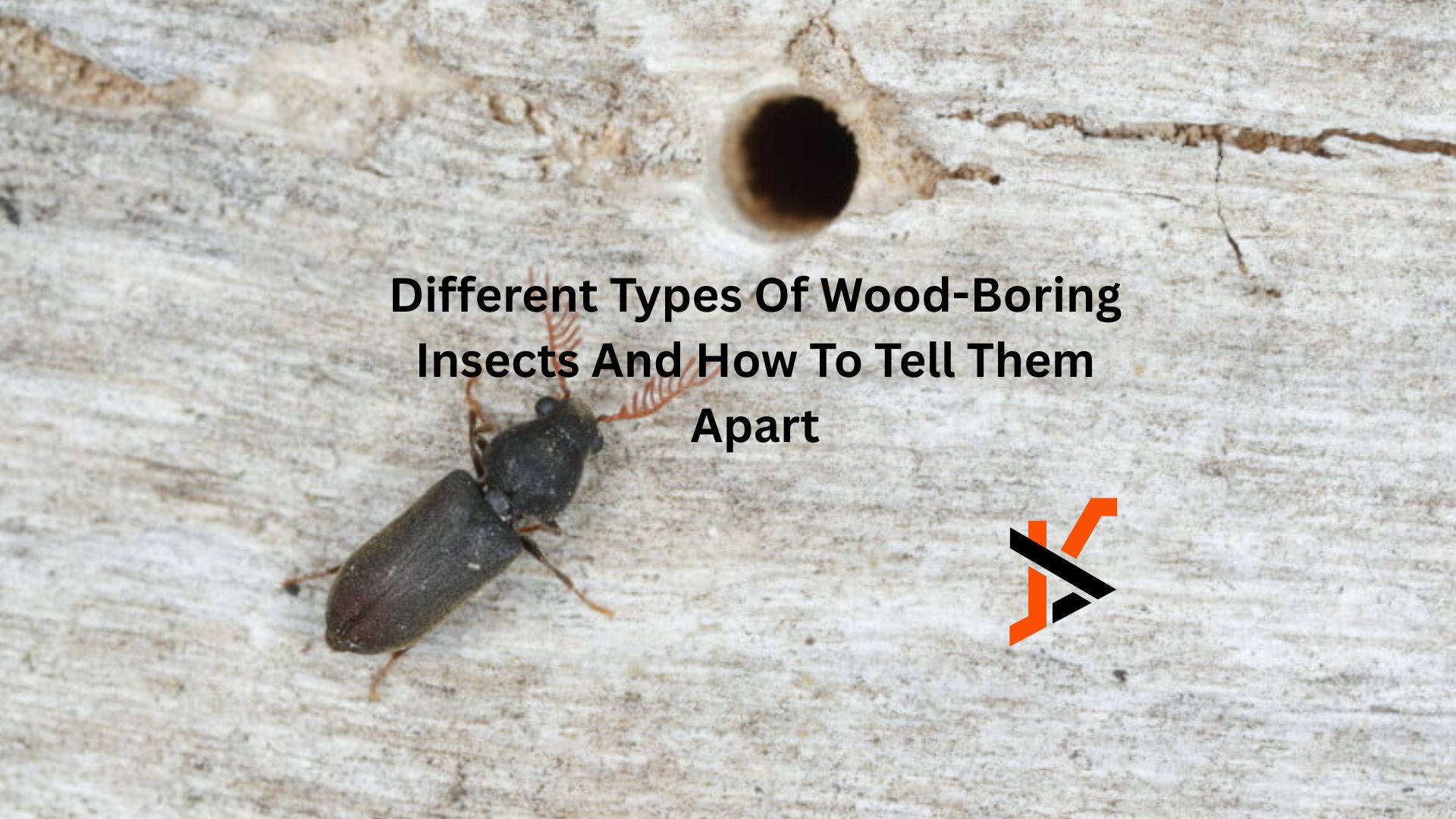
Wood-eating bugs can really mess up wooden stuff, costing a lot to fix if you don’t catch them in time. Knowing what these bugs look like helps you stop major damage. This guide has got you covered with clear descriptions and tips on spotting the usual wood-eating suspects.
By telling them apart, you can better protect your wooden belongings. Check out the next parts for handy info on spotting and handling these pesky critters, keeping your wood safe and sound.
Common Types of Wood-Boring Insects
Spotting wood-eating bugs early is key to stopping them from wrecking your stuff. Knowing what to look for helps you step in and handle it just right.
- Powderpost Beetles: These little guys are tiny, kind of like a grain of rice. They love hardwoods like oak and ash, leaving fine sawdust and tiny round holes. Once you spot them, it’s best to act fast to stop them in their tracks.
- Woodwasps: With their long bodies, woodwasps go for softwoods. They leave big, round holes, which usually mean they’ve been munching away for a while and might have weakened the wood.
- Termites: Famous for eating wood from the inside out, termites are usually white or light brown and can get as big as a thumbnail. They mostly like damp, rotting wood, but they can also invade dry wood if the conditions are right.
- Carpenter Ants: Carpenter ants don’t actually eat wood, but they carve through it to build their nests. You’ll often find piles of fine wood shavings and smooth tunnels inside the wood. They prefer damp or damaged timber, so spotting moisture problems early can help keep them away.
- Bark Beetles: Bark beetles are tiny, but they cause big trouble. They tunnel just under the bark of trees and wooden structures, leaving winding patterns and small exit holes. They’re more common outdoors but can spread to stored firewood or untreated timber.
By knowing these signs, you can catch these pests early and keep things under control.
Physical Characteristics to Note
Spotting wood-boring bugs by how they look is key to stopping them from ruining wooden stuff. These insects come in all shapes and colours, which helps us tell them apart.
Take powderpost beetles; they’re tiny, about 1/8 to 3/4 inch, and have a reddish-brown colour with slim wings that stand out. Woodwasps, though, are bigger, over an inch long, with chunky bodies and pointy tails.
Termites look a bit like ants but have straight antennae and are usually creamy-white or light brown. Checking these bugs out up close with a magnifying glass or photos makes it easier to tell which is which.
Noticing these small differences is really important so we can act before they do serious damage. Keeping photos of these insects is handy for spotting them later, helping to protect homes and wooden things.
Signs of Infestation
Wood-boring bugs are sneaky, but they leave clues you shouldn’t miss. Check for small, round holes in the wood, which show where they’ve crawled out. Keep an eye out for frass too—it’s a mix of fine wood dust and bug droppings, usually near these holes.
If the wood sounds empty or looks swollen, it might mean there’s some tunnelling going on inside. It’s a good idea to regularly check places like attics, basements, and old wooden furniture.
A flashlight and a magnifying glass can make spotting these signs easier. Taking photos and notes of what you find can help you see changes over time and be really useful if you need a professional later.
Staying on top of these checks can stop big damage and save money on repairs. If you notice these signs, it might be smart to get a pest control expert to sort it out quickly.
Behavioral Differences
Understanding the behaviours of wood-boring bugs is key to spotting them. Let’s see what each bug does!
- Powderpost Beetles: These guys love the night, and their larvae munch on wood, leaving a fine powder behind. You won’t see a swarm often, but that powder is a big clue they’re around.
- Woodwasps: They’re not like other wood-borers. Their larvae make a lot of noise chewing through wood. No swarms here, but if you hear them in old or dying wood, you might have a problem.
- Termites: They’re super organised and usually swarm in spring. Look for wings they drop, which means they’re starting new colonies. Their soldiers have big heads, so they’re easy to spot once you find them.
- Carpenter Ants: Mostly active at night, these ants don’t eat wood but dig through it, leaving wood shavings. They swarm in warm months, so watching them during this time helps you find them.
- Bark Beetles: They target weak trees and bring fungi that can harm trees. Their swarms happen when it’s warm, so it’s smart to keep an eye out then.
Practical Tip
Jotting down what you notice, like when swarms happen or odd sounds, really helps in figuring out which bug it might be. Try marking these in a calendar so you can see any patterns.
Geographic Distribution
Wood-boring insects are all over the place, each having their favourite spots to hang out. Knowing where these pesky bugs like to chill helps you keep your wooden stuff safe.
- Termites love warm, damp places. They’re into moisture, so wooden buildings there need extra care.
- Powderpost Beetles are into hardwoods and hang out in the southeast and southwest US. If you’ve got an older home or antique furniture, keep an eye out for these guys.
- Bark Beetles prefer forest areas like the Rocky Mountains. They go after weak trees, which isn’t great for the forest’s health.
Figuring out which of these insects are common near you is key to stopping them. Chat with local pest experts and check out pest reports in your area to keep your wooden stuff safe.
Effective Prevention Methods
Protecting your wooden stuff from pesky bugs isn’t just about dealing with them when they show up; it’s about stopping them in the first place. With a few easy tricks, you can save yourself some hassle and cash. The main thing is to keep your space uninviting for these critters.
Humidity is a big draw for wood-boring insects. Keep your place dry with dehumidifiers and good airflow to keep them away. Also, make sure to seal up any cracks or gaps in your wood to stop bugs from sneaking in.
You might want to think about using borate treatments. They offer long-lasting protection and work as a good preventative step to keep bugs at bay.
Regular Inspections
Check your place out regularly, at least twice a year, to catch any signs of bugs early. Focus on spots that get damp, like basements and attics, and don’t skip your wooden furniture.
Taking pics and making notes of what you find can help you notice changes and step in before things get worse.
Professional Services
If you’re dealing with a serious bug problem, it might be time to call in the pros. They can give you expert advice and customised solutions to prevent future issues. Getting professional help not only fixes current problems but also keeps your wood safe in the long run.
By sticking to these tips, you’ll keep your wooden things in great shape and dodge expensive repairs later.
Conclusion
Knowing how to spot wood-boring bugs like powderpost beetles, woodwasps, and termites is key to keeping your wooden stuff safe. Check out things like their size, colour, and the kind of wood they prefer.
Powderpost beetles are tiny and love hardwoods. Wood wasps make big holes in softwoods. Termites usually show up in spring and go for damp wood. Keep these differences in mind to catch any threats early.
It’s a good idea to check regularly, and if you see any signs of these pests, chatting with pest control might be smart. Taking these steps can help keep your wood safe from these pesky critters.
