

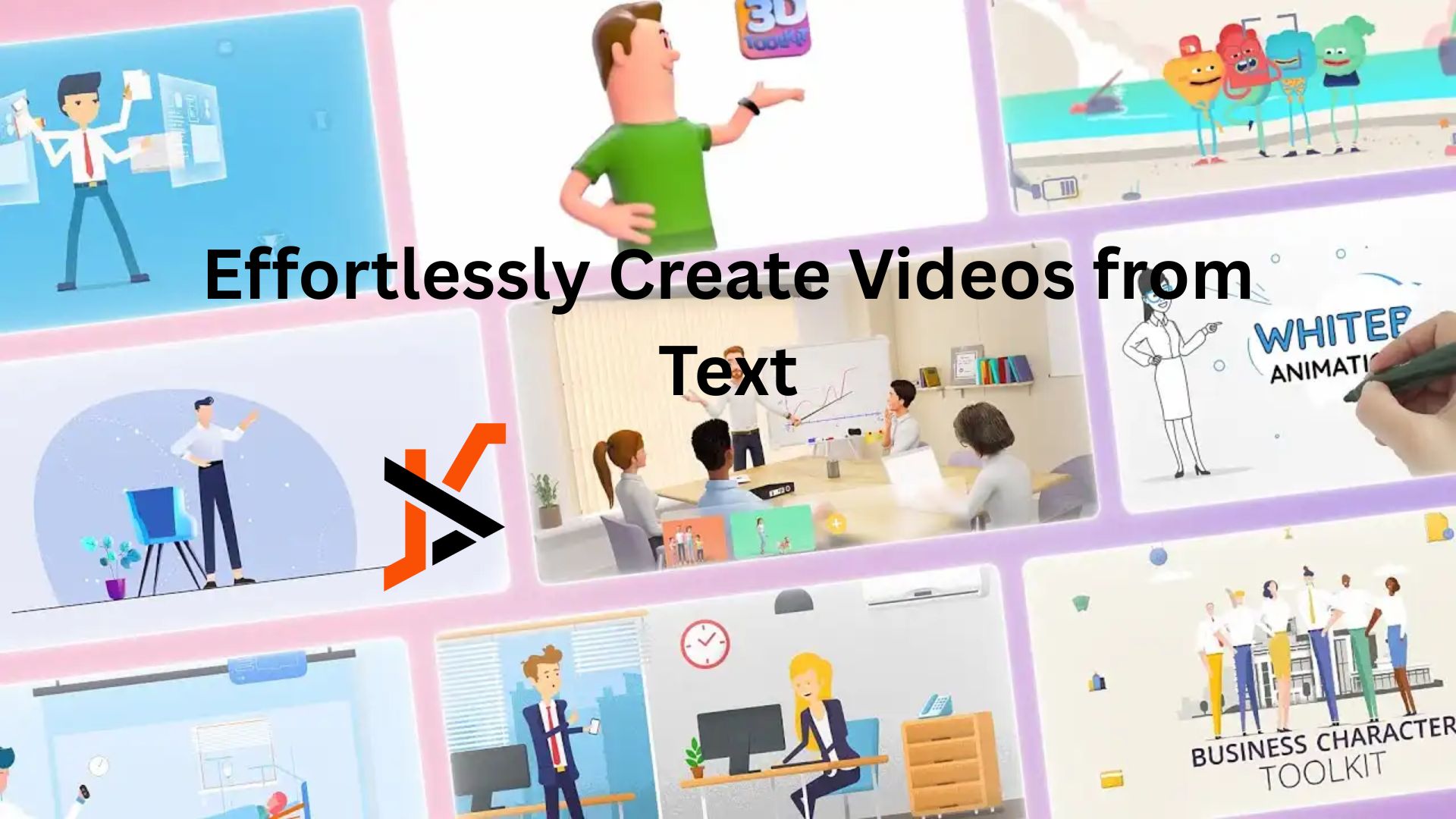
In today’s fast-paced digital landscape, businesses and content creators face mounting pressure to produce high-quality videos quickly and affordably. Traditional video production demands significant resources, specialized equipment, and technical expertise that many simply don’t have access to. Meanwhile, video content has become essential for effective marketing, with audiences increasingly favoring visual storytelling over text-based communication. This creates a challenging paradox: the need for video content has never been greater, yet the barriers to creating it remain frustratingly high. Enter text to video AI generators, revolutionary tools that democratize video production by transforming written words into polished visual content within minutes. These intelligent systems eliminate the need for cameras, actors, or editing software, allowing anyone with a message to create professional videos instantly. Whether you’re a small business owner seeking cost-effective marketing solutions, a social media manager juggling multiple platforms, or an educator looking to engage students, AI-powered video creation offers an accessible path forward that saves both time and money while maintaining quality.
Understanding the Text to Video AI Generator
Text to video AI generators represent a breakthrough in content creation technology, leveraging artificial intelligence to transform written scripts into fully-realized video presentations. At their core, these systems utilize advanced machine learning algorithms, including natural language processing and computer vision, to interpret textual input and automatically generate corresponding visual elements. The AI analyzes your written content to understand context, tone, and key messages, then selects appropriate visuals, animations, voiceovers, and background music that align with your narrative. Unlike traditional video editing that requires manual selection and arrangement of every element, AI generators work autonomously to make creative decisions based on patterns learned from thousands of successful videos. The technology combines multiple AI models: one interprets the semantic meaning of your text, another generates or selects relevant imagery, while additional systems handle voice synthesis, timing, and transitions. This orchestrated process happens in minutes rather than hours, producing videos that maintain narrative coherence and visual appeal. The result is a powerful tool that understands not just what you write, but what you mean to communicate, translating abstract ideas into concrete visual stories that resonate with viewers across platforms.

Key Features of the AI Video Maker
Modern AI video generators come equipped with sophisticated features that streamline the entire production process from concept to completion. Script-to-scene conversion stands as the foundational capability, where the AI interprets your written text and automatically segments it into logical scenes with appropriate pacing and transitions. Most platforms offer extensive media libraries containing millions of stock videos, images, and audio tracks that the AI intelligently matches to your content’s theme and mood, eliminating the need to source materials externally. Voice synthesis technology has evolved remarkably, providing natural-sounding AI narrators in multiple languages, accents, and tones that can deliver your script with appropriate emotion and emphasis. Customizable templates cater to various content types—from social media ads and explainer videos to educational tutorials and corporate presentations—giving you professional formatting without starting from scratch. Text overlay and caption generation features automatically create on-screen text that reinforces key messages and improves accessibility for viewers watching without sound. Advanced systems include brand customization options, allowing you to maintain consistent visual identity by incorporating logos, color schemes, and fonts across all productions. Real-time preview functionality lets you review and refine your video before final rendering, while multi-format export ensures your content is optimized for different platforms, whether YouTube, Instagram, LinkedIn, or TikTok. These integrated features work harmoniously to transform simple text into broadcast-quality videos without requiring technical knowledge or creative expertise.
How to Use the AI Video Maker
Getting started with an AI video maker requires no technical background, just a clear message and a few simple steps. Begin by selecting a platform that suits your needs and creating an account, which typically takes just minutes and often includes free trial options to test the service. Once logged in, choose a template that matches your video’s purpose—whether it’s a promotional ad, tutorial, social media post, or presentation—as templates provide pre-designed structures that guide the AI’s creative decisions. Next, input your script directly into the text editor, writing naturally as if speaking to your audience, keeping sentences clear and concise for optimal pacing. The AI will automatically analyze your text, but you can enhance results by breaking longer scripts into distinct paragraphs that represent separate scenes or key points. After entering your text, customize the visual style by selecting preferences for color schemes, fonts, and overall aesthetic that align with your brand identity or personal taste. Review the AI’s initial media selections, which it generates based on your script’s content and context, and swap out any stock footage, images, or music tracks that don’t perfectly match your vision using the platform’s built-in media library. Choose your preferred voiceover option, either selecting from various AI narrator voices with different accents and tones, or uploading your own audio recording if you prefer a personal touch. Fine-tune timing and transitions by adjusting scene duration and the style of cuts between segments, ensuring your video flows smoothly and maintains viewer engagement throughout. Preview your video in its entirety, checking that text overlays are readable, audio syncs properly with visuals, and the overall message comes across clearly without confusion. Make any necessary adjustments to individual scenes, tweaking text, swapping media, or modifying voice settings until everything aligns with your expectations. Finally, export your completed video in the appropriate format and resolution for your intended platform—vertical for Instagram Stories and TikTok, square for Facebook and Instagram feeds, or widescreen for YouTube and websites. Download the finished file and upload it directly to your chosen platforms, or use built-in sharing features if your AI video maker offers direct publishing capabilities. The entire process from script to finished video typically takes between ten to thirty minutes, depending on video length and how much customization you apply.
Benefits of Using an AI Video Maker
AI video makers deliver transformative advantages that extend far beyond simple convenience, fundamentally changing how individuals and organizations approach content creation. Time efficiency stands as the most immediate benefit, with videos that traditionally required days or weeks of production now completed in minutes, freeing creators to focus on strategy and distribution rather than technical execution. Cost savings prove equally significant, as AI eliminates expenses associated with hiring videographers, purchasing equipment, renting studios, and licensing editing software—investments that can easily reach thousands of dollars per project. This democratization of video production levels the playing field, enabling small businesses and solo entrepreneurs to compete visually with larger competitors who previously dominated through resource advantages. Consistency in output quality ensures every video maintains professional standards regardless of your technical skill level, as the AI applies proven design principles and production techniques automatically. Scalability becomes effortless when you can produce multiple videos daily without additional resources, allowing you to maintain active presences across various platforms and test different messaging approaches simultaneously. The low barrier to entry means anyone can start creating immediately without training periods or learning curves that traditionally discouraged newcomers from attempting video content. Rapid iteration capabilities let you experiment with different scripts, styles, and formats quickly, gathering audience feedback and refining your approach based on real performance data rather than guesswork. Multilingual content creation becomes accessible through AI translation and voice synthesis, expanding your reach to global audiences without hiring translators or voice actors for each language. These combined benefits transform video from an occasional special project into a sustainable, routine part of your content strategy that drives engagement and results consistently.
Tips for Creating Engaging Videos
Creating technically proficient videos is only half the battle; capturing and maintaining viewer attention requires strategic choices that elevate content from merely watchable to genuinely compelling. Start with a powerful hook in your opening three seconds—a provocative question, surprising statistic, or bold statement that immediately signals value and stops the scroll. Keep your script conversational and direct, writing as you would speak to a friend rather than delivering a formal presentation, which builds connection and makes complex ideas more digestible. Maintain brisk pacing by trimming unnecessary words and keeping scenes dynamic, as attention spans continue to shrink across all platforms. Visual variety prevents monotony, so incorporate diverse footage types including close-ups, wide shots, animations, and text overlays that create rhythm and visual interest throughout your video. Strategic use of captions extends beyond accessibility—research shows most social media videos are watched without sound, making text overlays essential for conveying your message regardless of audio. Align your content length with platform expectations and audience tolerance: fifteen to thirty seconds for TikTok and Instagram Reels, under two minutes for most social feeds, and three to five minutes maximum for educational content unless your audience specifically seeks longer formats. End with a clear call-to-action that tells viewers exactly what to do next, whether visiting a website, subscribing to your channel, or sharing the video with others who would benefit from the information.
Common Challenges and Solutions
While AI video makers simplify production dramatically, users occasionally encounter obstacles that can hinder their creative flow. Generic or mismatched visuals represent the most common frustration, occurring when the AI selects stock footage that doesn’t quite capture your intended message—solve this by being more specific in your script descriptions, using concrete nouns rather than abstract concepts, or manually browsing the media library to replace unsuitable clips with better alternatives. Unnatural voiceover pacing sometimes results from AI misinterpreting sentence structure or emphasis, which you can address by adding punctuation strategically, breaking long sentences into shorter segments, or adjusting playback speed settings available in most platforms. Platforms like HailuoAI have been working to improve these natural language processing capabilities, helping AI systems better understand context and deliver more nuanced voiceover performances. Limited customization in template-based systems may feel restrictive for users with specific branding requirements, but most modern platforms allow you to override template defaults by manually adjusting colors, fonts, and layouts to match your visual identity precisely. Technical glitches during rendering or exporting occasionally occur, particularly with longer videos or slower internet connections—mitigate these issues by working in shorter segments, ensuring stable connectivity, clearing browser cache, or trying different export formats. Learning to work within these constraints while leveraging the platform’s strengths transforms potential frustrations into minor adjustments, ensuring smooth production workflows that consistently deliver quality results.
Transform Your Content Creation with AI Video Technology
Text to video AI generators have fundamentally transformed content creation, making professional video production accessible to everyone regardless of budget or technical expertise. These intelligent tools eliminate traditional barriers by automating the entire process from script to finished video, delivering broadcast-quality results in minutes rather than days. The combination of advanced features—including script-to-scene conversion, extensive media libraries, natural voice synthesis, and customizable templates—empowers businesses, educators, and creators to produce engaging visual content consistently and affordably. Beyond mere convenience, AI video makers offer strategic advantages through rapid scalability, cost savings that eliminate expensive production overhead, and the ability to maintain active presences across multiple platforms simultaneously. While occasional challenges like generic visuals or pacing adjustments may arise, these minor hurdles are easily overcome with simple tweaks and strategic script refinement. As video continues dominating digital communication, embracing AI-powered creation tools isn’t just practical—it’s essential for staying competitive in an increasingly visual world. Whether launching marketing campaigns, educating audiences, or building social media presence, text to video AI generators provide the efficiency, quality, and accessibility needed to turn your ideas into compelling visual stories that capture attention and drive results.
