

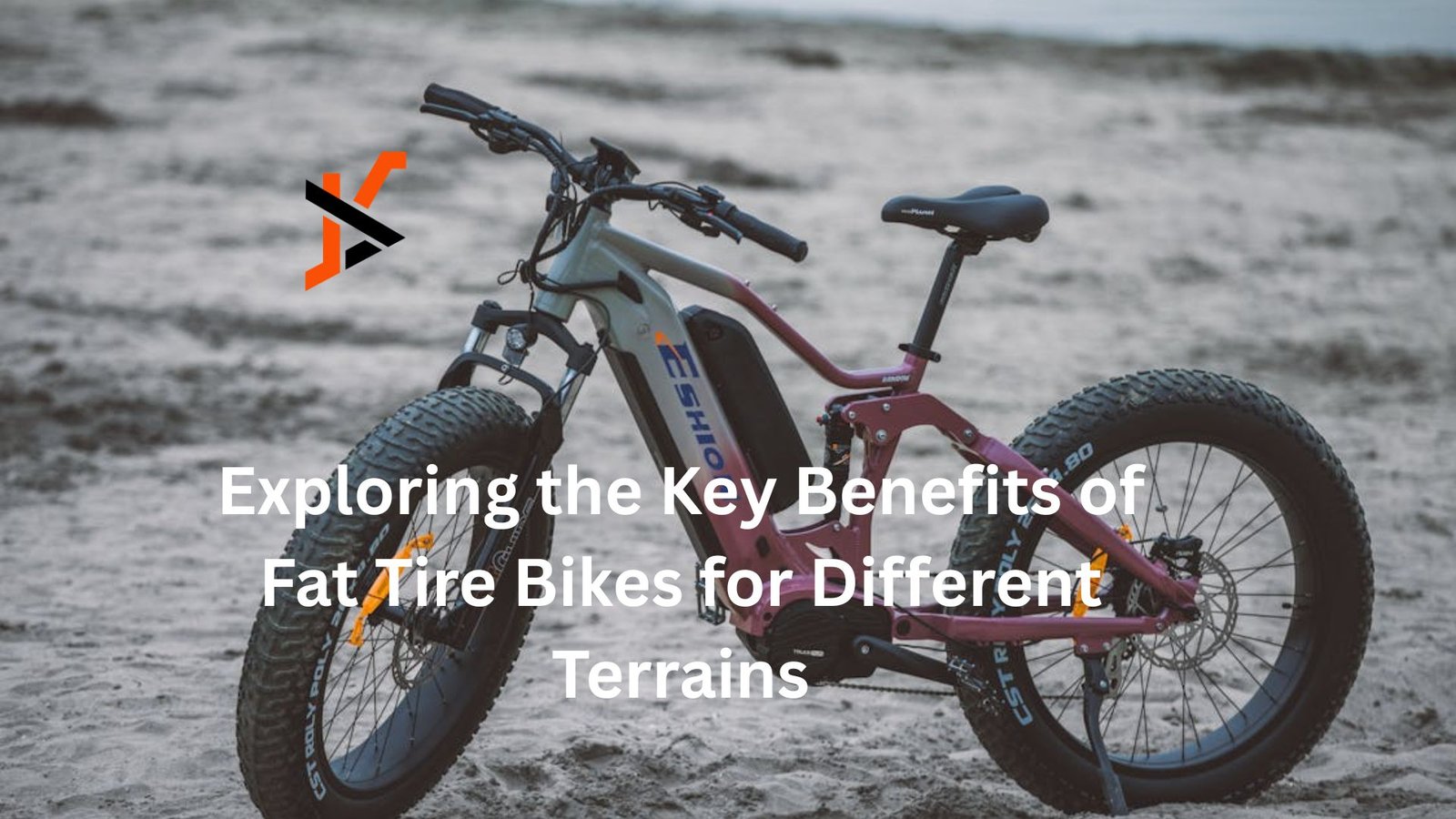
As a biker, you’re on a trail, the surface turns soft, and your front wheel just disappears into the ground. Or it’s January, there’s packed snow on your daily commute route, and a standard bike becomes more of a liability than a vehicle. That moment of losing control? Fat tire bikes exist specifically to eliminate it.
These aren’t novelty machines. The extra-wide tires, deliberately low air pressure, and dramatically larger contact patch give you grip that ordinary bikes genuinely cannot match. If you’ve been on the fence, understanding the real benefits of fat tire bikes across conditions of snow, sand, mud, gravel, pavement helps you decide if one belongs in your rotation.
And for context: in 2023, 135.2 million Americans participated in trail-based recreation. That’s a staggering number of riders out there who need equipment that holds up. Fat bikes have grown in popularity fast, and there are very concrete reasons why.
Let’s get into what actually makes these machines different.
The Core Advantages And Why They Hold Up Across Rider Types
These aren’t spec-sheet promises. Riders of every experience level report the same performance differences consistently when it comes to the benefits of fat tire bikes.
Stability You Can Actually Feel
A wider tire creates a bigger footprint. On loose gravel, wet roots, broken asphalt that footprint distributes your weight more evenly and keeps the bike under you far longer. If you’re newer to off-road riding, recovering from an injury, or just someone who values not going down at low speed, this matters more than most people expect.
Cornering on mud or slushy streets shifts from white-knuckle to almost relaxed. That alone changes the whole experience of riding in mixed conditions.
Traction That Doesn’t Quit
Paddle-style tread digs into snow and sand. Aggressive knobs shed mud rather than packing it in. Braking distances shrink because there’s simply more rubber making contact with the ground at any given moment.
On surfaces where a standard mountain bike tire spins out or stalls deep snow, shifting sand, leaf-covered singletrack fat tires keep you moving with real confidence.
This isn’t marginal. The gap between a 2.4″ tire and a 4.5″ tire at low PSI on soft terrain is immediately obvious, even to first-time fat bike riders.
Comfort That Comes Free With the Tires
One thing that surprises people: high-volume, low-pressure tires absorb trail punishment in a way that closely mimics air suspension even on a rigid frame. Rocks, roots, potholes all of that gets taken down a level before it reaches your hands and lower back.
After two or three hours on a rough commute or long trail, the fatigue difference compared to a standard hardtail is hard to ignore. Your body just arrives less beat up.
One Bike, Many Rides
A well-built fat tire bike can handle beach riding, winter commuting, technical trail work, bikepacking, and rough urban streets. Swap to lighter 27.5+ wheels in summer, run full fat tires when the snow hits and you’ve essentially got two bikes on one frame. For anyone tight on budget or storage, that flexibility is genuinely compelling.
How Fat Tire Bikes Perform Across Specific Terrains
Theory is one thing. Here’s how the performance actually breaks down by surface type:
| Terrain | Ideal Tire Width | Suggested PSI | Key Advantage |
| Deep Snow | 4.5–5.0″ | 5–10 PSI | Flotation, stays on top |
| Soft Sand | 4.0–5.0″ | 5–8 PSI | Momentum on shifting surface |
| Mud/Slush | 4.0–4.5″ | 8–12 PSI | Tread clears debris easily |
| Rocky Trails | 3.8–4.5″ | 10–15 PSI | Rounds off obstacles |
| Gravel/Fire Roads | 3.8–4.0″ | 12–18 PSI | Stability under load |
| Urban Streets | 3.8–4.0″ | 15–22 PSI | Comfort over potholes |
On snow, the low-pressure flotation principle is everything: the tire spreads your weight rather than punching through the surface. Sand works identically. Mud demands tread that actively clears debris, which is why running slightly firmer PSI prevents that sluggish, wallowing sensation that makes mud riding exhausting.
Rocky and rooty singletrack is where fat tire mountain bikes genuinely earn respect. Big tires “round off” sharp edges naturally, which cuts pinch flat risk dramatically. It’s not magic, it’s just physics working in your favor.
Market data backs this up: the global fat bike segment is projected to grow at a CAGR of 6.50%. Riders aren’t chasing hype, they’re chasing consistent results.
Choosing the Right Setup for Your Terrain
Frame Geometry First
Rigid frames are lighter and work well for groomed snow or long bikepacking routes where weight matters. A hardtail adds front suspension for technical rocky terrain without overcomplicating the build. Full-suspension fat bikes exist for aggressive all-mountain riding more control on steep descents, more cost, more weight. The right call depends entirely on how technical your trails actually get.
Tires and Pressure Are Your Biggest Lever
Before spending money on upgrades, dial in your tires. Paddle tread for snow and sand. Aggressive knobs for mud and rocky trails. Semi-slick for gravel and mixed pavement. Pressure is equally important to do a quick sidewall squish check before every ride. You want a slight bulge but no rim contact. That’s your sweet spot.
Common Questions Worth Answering Honestly
Is pedaling harder on pavement?
Yes. Rolling resistance is higher, and the added weight is real. But for riders who regularly deal with rough roads or unpredictable surfaces, the comfort and stability trade-off is worth it.
Do fat tires genuinely outperform wide MTB tires on snow or sand?
Significantly. A 4.0–5.0″ tire at low pressure floats where a 2.4–2.8″ tire sinks and stalls. Most riders notice the gap on their very first fat bike ride.
Can one fat bike cover both technical trails and winter riding?
Yes, with the right setup. A hardtail with tubeless-ready 4.5″ tires and a 1x wide-range drivetrain handles most conditions. Swap tread seasonally and you’ve covered a lot of ground without a second bike.
The Bottom Line for Biking
Fat tire bikes solve real problems that standard bikes leave unsolved. The stability, the traction, the natural comfort, the year-round versatility, none of it is overstated. Whether you’re building confidence as a newer rider or pushing into remote terrain as an experienced bikepacker, the case for going wide is practical and performance-backed.
If your riding regularly takes you somewhere unpredictable, a fat tire bike stops being an interesting option and starts looking like the obvious one.
