

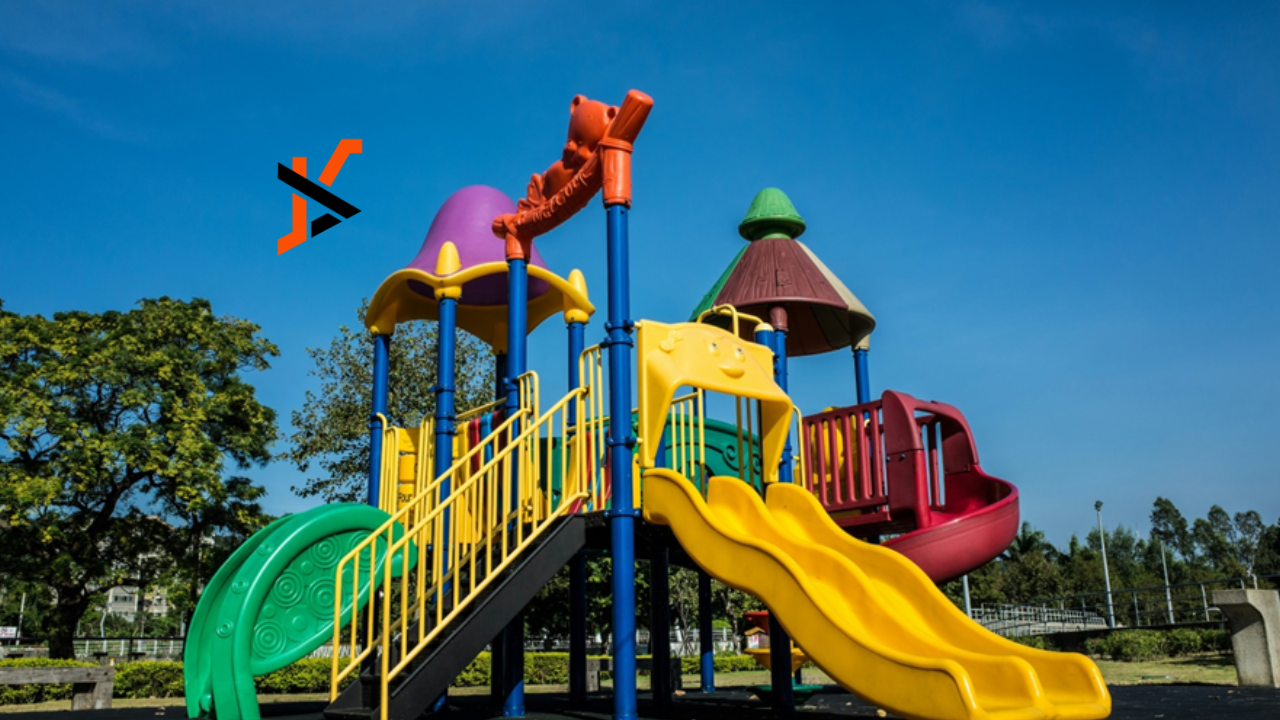
Choosing the right playground surfacing goes far beyond safety and durability. In recent years, designers, schools, and local councils have come to realise the powerful role that colour plays in capturing children’s attention and encouraging active play. From bold hopscotch zones to vibrant wet pour flooring, colourful surfacing can significantly increase engagement and help children of all ages develop socially, physically, and emotionally.
In this blog, we explore how colourful playground surfaces impact engagement, learning, and enjoyment, and why it’s worth investing in a surfacing solution that goes beyond the basics.
Why Colour Matters in Children’s Play Areas
Children are naturally drawn to bright colours. Studies in early childhood development show that colour can influence learning, mood, behaviour, and even memory. Incorporating a variety of colours into a play space makes it feel more inviting and exciting, helping children feel welcome and engaged the moment they step onto the playground.
It also stimulates imagination. A red pathway could become a lava river; a blue swirl might be a magic ocean. Colour transforms ordinary surfaces into the foundation for endless creative play.
Boosting Physical Activity Through Colour Cues
Vibrant surfacing is more than just decorative; it can actively encourage movement. For example, playtop surface patterns such as tracks, mazes, number games, or even themed zones can direct and inspire children to run, jump, balance, and climb.
By guiding physical activity through coloured zones or markings, schools and parks can encourage healthy habits without children even realising they’re exercising. This is especially effective when surfacing is designed to align with the Daily Mile initiative or similar programmes aimed at improving children’s fitness.
Creating Inclusive and Accessible Play Environments
Colourful surfacing also plays a role in making playgrounds more inclusive. By using contrasting colours and textures, designers can improve visibility and navigation for children with visual impairments or additional needs.
Certain surfacing materials, such as wet pour rubber and rubber mulch, can be produced in a wide range of colours and designs. These options not only meet safety and accessibility requirements but also allow designers to customise play areas to suit specific needs or age groups.
The Educational Value of Colourful Playground Surfacing
Many playground designs today include educational features built directly into the surface. Bright letters, numbers, maps, shapes, and themed trails can be embedded into the ground using coloured rubber surfacing.
This turns the play area into a learning zone where children develop counting skills, letter recognition, and problem-solving through games. When learning is fun and interactive, it sticks, and colourful surfacing helps achieve that in a natural, engaging way.
Supporting Social Play and Imaginative Scenarios
Colour can also encourage social interaction. In group play, children often assign roles and rules based on visual cues. For instance, a brightly coloured circle might become the “home base” in a chasing game, or a checkerboard layout could spark an impromptu team challenge.
When children interact with their surroundings in this way, they develop communication skills, leadership, and teamwork — all through simple play, guided by a colourful and inviting surface.
Design Flexibility: From Thematic Zones to School Branding
One of the biggest benefits of modern surfacing materials like wet pour and thermoplastic markings is flexibility. Designers can match surfacing colours to a school’s branding, sports team colours, or a chosen theme such as nature, space, or under the sea.
This level of customisation enhances pride and identity within the school or community, while giving children a space that feels uniquely theirs. Even better, materials like wet pour surfacing retain their colour over time, so the play area continues to look fresh and exciting for years.
Safety Comes First — But Doesn’t Mean Boring
Of course, safety is the top priority when choosing playground surfacing. Impact-absorbing materials help protect children from falls and injuries. But colourful surfacing proves that safety doesn’t have to come at the expense of fun or creativity.
Wet pour rubber, for instance, offers excellent fall protection and comes in nearly every colour imaginable. It can be laid seamlessly across large areas and shaped into exciting graphics, obstacle trails, or zones for different age groups.
Practical Benefits for Schools and Councils
Colourful surfacing doesn’t just benefit the children using it — it offers practical advantages for those maintaining the site as well. Colour-coded zones help manage crowd flow and reduce conflict during busy playtimes. Staff can easily identify which areas are age-appropriate or linked to a specific type of activity, such as quiet play or active zones.
Plus, high-quality colourful surfaces are long-lasting and low-maintenance. With UV-stable pigments and durable materials, surfaces retain their appearance even under heavy use and variable weather.
Which Surfacing Materials Work Best?
Some of the most popular materials for colourful surfacing in school and public playgrounds include:
- Wet Pour Rubber Surfacing – Excellent for safety and design flexibility, with wide colour options.
- Rubber Mulch – A more natural look, available in various tones while still providing impact protection.
- Thermoplastic Playground Markings – Used on tarmac to add vibrant games and learning tools without needing full surface replacement.
- Artificial Grass with Inlaid Colours – Offers a natural look with colour-coded games and sections for varied activities.
Choosing the right surfacing depends on the play area’s purpose, location, and age range — but colour should always be considered as a key feature, not an afterthought.
Final Thoughts: Colour Brings Playgrounds to Life
Playgrounds are spaces where children grow, learn, and connect — and colourful surfacing plays a vital role in making that happen. It encourages movement, supports education, builds social skills, and creates a welcoming environment for every child.
Whether you’re a school leader looking to upgrade your playground, a contractor planning a new installation, or a council team designing a public park, investing in colourful, safe surfacing will pay off for years to come.
