

Gamification used to be a trendy buzzword that most people thought only applied to mobile apps and video games. But things have changed. Today, companies of all sizes are using gamification at work to improve employee engagement, increase productivity, and make day-to-day tasks feel more rewarding.
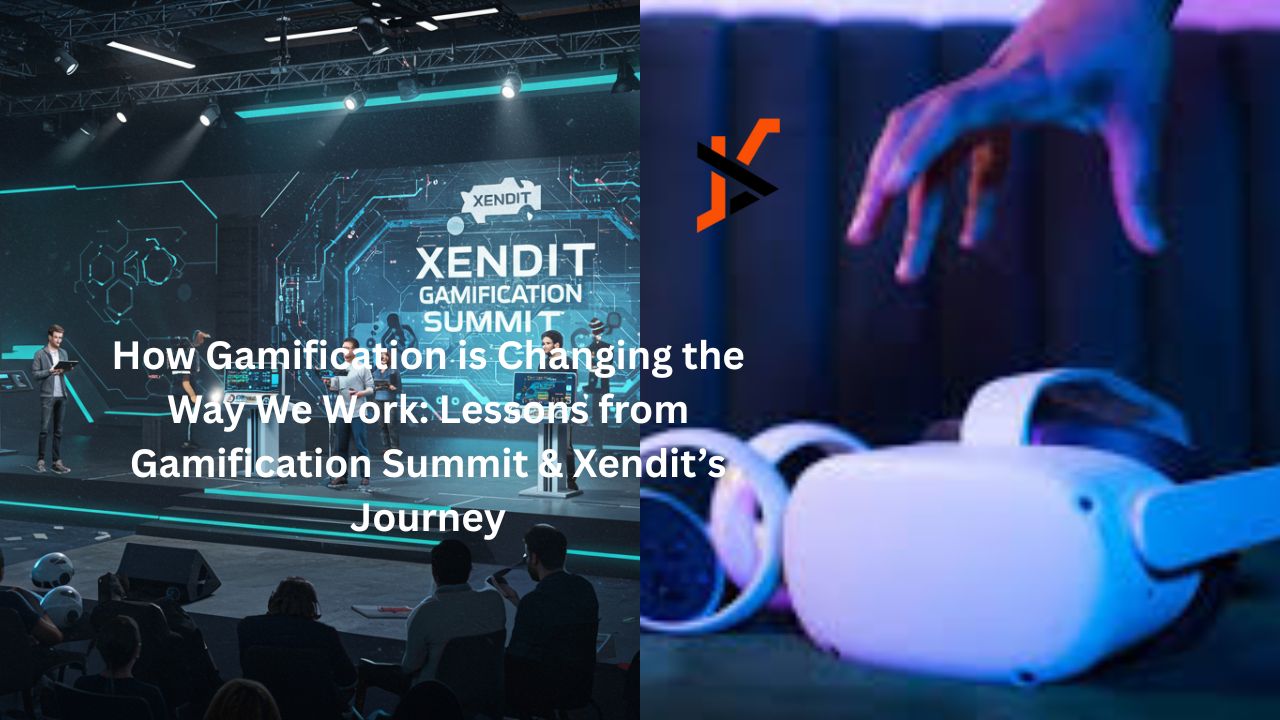
One of the events that’s been at the center of this movement is the Gamification Summit, where industry leaders, startups, and innovators share ideas about how to bring game-like elements into real-world settings—especially in the workplace.
One standout in this growing field is Xendit, a leading fintech company in Southeast Asia. Known for their modern approach to business, they’ve started exploring how gamification can help their teams stay productive, motivated, and connected.
In this article, we’ll break down:
- What gamification at work really means
- Key takeaways from the Gamification Summit
- How Xendit is applying these insights in real life
- Step-by-step strategies for introducing gamification to your workplace
- Real stories and practical advice to get started
Let’s dive in.
What Is Gamification at Work?
At its core, gamification is about using game elements—like points, levels, rewards, and challenges—in environments that aren’t traditionally game-related. Think of it as adding a layer of fun and achievement to things like task management, training, or even customer service.
Simple Examples of Gamification:
- Earning badges for completing training modules
- Climbing a leaderboard for hitting sales goals
- Getting real-time feedback or scores for performance
- Participating in company-wide challenges or team quests
When used the right way, gamification at work can tap into some powerful human motivators: recognition, progress, and competition.
Why Gamification Matters More Than Ever
Workplaces have changed. Remote work, distributed teams, and digital tools have all become the norm. While that brings a lot of freedom, it also makes it harder for people to feel connected and motivated.
Here’s where gamification steps in.
It provides structure and incentives that help people stay engaged even when they’re working from home. It can make everyday tasks feel less like chores and more like challenges to conquer.
Real-Life Anecdote
Sarah, a product manager at a tech startup, once dreaded filling out her daily reports. Her company introduced a system where team members earned points for completing reports on time. These points could be exchanged for lunch vouchers or priority on new project requests. Suddenly, what used to be a boring end-of-day task turned into a mini-game—and Sarah rarely missed a report again
Highlights from the Gamification Summit
The Gamification Summit is an annual event that brings together experts from HR, tech, education, and behavioral science. It’s where cutting-edge strategies and case studies are shared. Here are some of the key takeaways from recent summits:
1. Gamification Needs Purpose
Don’t gamify just for the sake of it. The game elements should support real business goals—whether that’s improving training outcomes, boosting morale, or increasing retention.
2. Storytelling Enhances Engagement
One speaker highlighted how companies using storytelling (such as “you’re part of a hero’s journey”) saw better results than those using generic scoring systems.
3. Rewards Should Be Meaningful
The best rewards aren’t always cash. Sometimes, recognition from peers or access to exclusive learning opportunities can be more motivating.
4. Data is Key
Good gamification systems track performance and provide insights. Companies can then tweak systems based on what’s working and what’s not.
How Xendit Is Using Gamification at Work
Xendit, a fast-growing digital payments company in Southeast Asia, has embraced gamification in creative ways. Here’s how they’ve been making it work.
1. Onboarding New Employees
New hires at Xendit go through a gamified onboarding process. Instead of just reading documents and watching videos, they complete missions, earn badges, and unlock access to different team tools.
This helps them learn the company culture faster and feel more involved from day one.
2. Encouraging Learning and Upskilling
Employees can enroll in microlearning sessions through a gamified platform. Every time they complete a course, they earn points. Top learners each quarter get public recognition and perks like flexible hours or vouchers.
3. Boosting Team Collaboration
Xendit runs quarterly “team quests” where different departments compete in challenges related to real projects—such as reducing customer support ticket time or launching a feature early. These quests come with leaderboards, feedback loops, and even digital trophies.
Step-by-Step Guide to Gamifying Your Workplace
If you’re thinking about applying these strategies to your own team or company, here’s a simple guide to get started.
Step 1: Define Your Goals
Ask yourself:
- What problems are you trying to solve?
- Are you aiming to boost morale, reduce churn, or improve learning?
Clear goals help you decide which elements to use.
Step 2: Choose the Right Game Mechanics
Here are a few to consider:
| Points | Tracks progress, gives instant feedback |
| Badges | Recognizes achievements |
| Leaderboards | Encourages healthy competition |
| Levels | Show progress and development |
| Challenges/Quests | Drive focus toward specific goals |
Step 3: Pick Tools or Platforms
Some companies build their own systems, but you can also use tools like:
- Bunchball
- Mambo.IO
- Kahoot (great for training)
- Axonify
- Or even custom Slack bots!
Step 4: Test with a Small Team
Start small. Try gamifying a single process like customer support or onboarding. Measure the results, gather feedback, and adjust.
Step 5: Scale It Up
Once you see what works, roll it out across more teams. Keep tracking and evolving your system. Gamification isn’t one-size-fits-all—it’s a living, breathing part of your culture.
Common Mistakes to Avoid
Not all gamification efforts succeed. Here are a few traps to watch out for:
- Overcomplicating the system: If it takes longer to understand the rules than to do the work, you’re doing it wrong.
- Ignoring intrinsic motivation: People want to grow and be part of something meaningful. Gamification should support that—not replace it.
- Rewarding the wrong behavior: Make sure your system encourages collaboration, not just individual wins.
How to Measure Success
Use metrics that align with your goals. For example:
- If you’re focused on onboarding, track how long it takes new hires to become fully productive.
- If your goal is skill-building, measure course completion rates and knowledge retention.
- If team engagement is key, run surveys and check participation rates in challenges.
Real-World Results from Xendit’s Gamification Strategy
Xendit reported a noticeable improvement in:
- Employee engagement: Participation in learning programs went up by 40% in six months.
- Onboarding time: New hire ramp-up time dropped by 30%.
- Retention rates: Teams that took part in gamified quests had better retention over 12 months.
This goes to show that gamification isn’t just fun—it can directly improve business performance when done thoughtfully.
Looking Ahead: The Future of Gamification at Work
As more companies move toward hybrid and remote work models, the need for better engagement tools is only going to grow. And with AI, AR, and behavioral data becoming more accessible, the next generation of work gamification will likely be even more immersive and personalized.
Imagine AI-powered personal coaches that guide employees through their career paths using game-like journeys. Or VR onboarding sessions that feel like interactive adventures. It’s all coming sooner than you might think.
Conclusion: Should You Gamify Your Workplace?
If your workplace struggles with engagement, learning retention, or motivation, then yes—gamification might be worth exploring. It doesn’t mean turning everything into a game. It’s about making work feel more meaningful, rewarding, and yes, even a bit fun.
Gamification Summit continues to provide valuable insights into what’s possible, while companies like Xendit are showing us what it looks like in action.
Start small. Keep it simple. Focus on your people. The results might surprise you.
