

Introduction
When disaster strikes, communication is often the first casualty. Earthquakes, floods, hurricanes, and conflicts can destroy terrestrial infrastructure in seconds, leaving entire communities cut off from the outside world. For humanitarian agencies, this lack of connectivity poses a life-threatening challenge: without communication, rescue operations, medical aid, and logistics become nearly impossible to coordinate.
This is where satellite networks step in as a lifeline. Providing instant, reliable, and global coverage, satellite communications enable humanitarian teams to restore connectivity and deliver critical aid where it is needed most. From temporary relief camps to field hospitals, satellite solutions ensure that no community is left behind, even in the most extreme circumstances.
Why Connectivity Matters in Humanitarian Crises
In humanitarian emergencies, every minute counts. Agencies need accurate, real-time information to deploy resources, track aid distribution, and communicate with both local authorities and international partners. Traditional networks often collapse under the weight of a disaster, leaving affected regions isolated.
Connectivity is not just about logistics — it is also about saving lives:
- Coordinating Search and Rescue: Teams on the ground rely on instant communication to locate survivors and deploy assistance quickly.
- Medical Response: Field hospitals need access to telemedicine, remote diagnostics, and digital patient records.
- Aid Distribution: Relief supplies must be tracked and delivered efficiently to avoid duplication or shortages.
- Public Communication: Providing affected populations with updates and instructions helps reduce panic and ensure safety.
Satellite networks make all of this possible when no other communication system is available.
How Humanitarian Agencies Use Satellite Networks
- Rapid Deployment in Disaster Zones
Portable satellite terminals can be operational within minutes, establishing emergency communication hubs in disaster-stricken areas. Relief agencies often carry compact terminals as part of their emergency kits to ensure immediate response capabilities. - Coordination Across Borders
Humanitarian crises rarely respect national boundaries. Refugee movements, regional conflicts, and natural disasters often impact multiple countries. Satellite networks provide seamless cross-border connectivity, enabling international coordination between NGOs, governments, and aid agencies. - Supporting First Responders
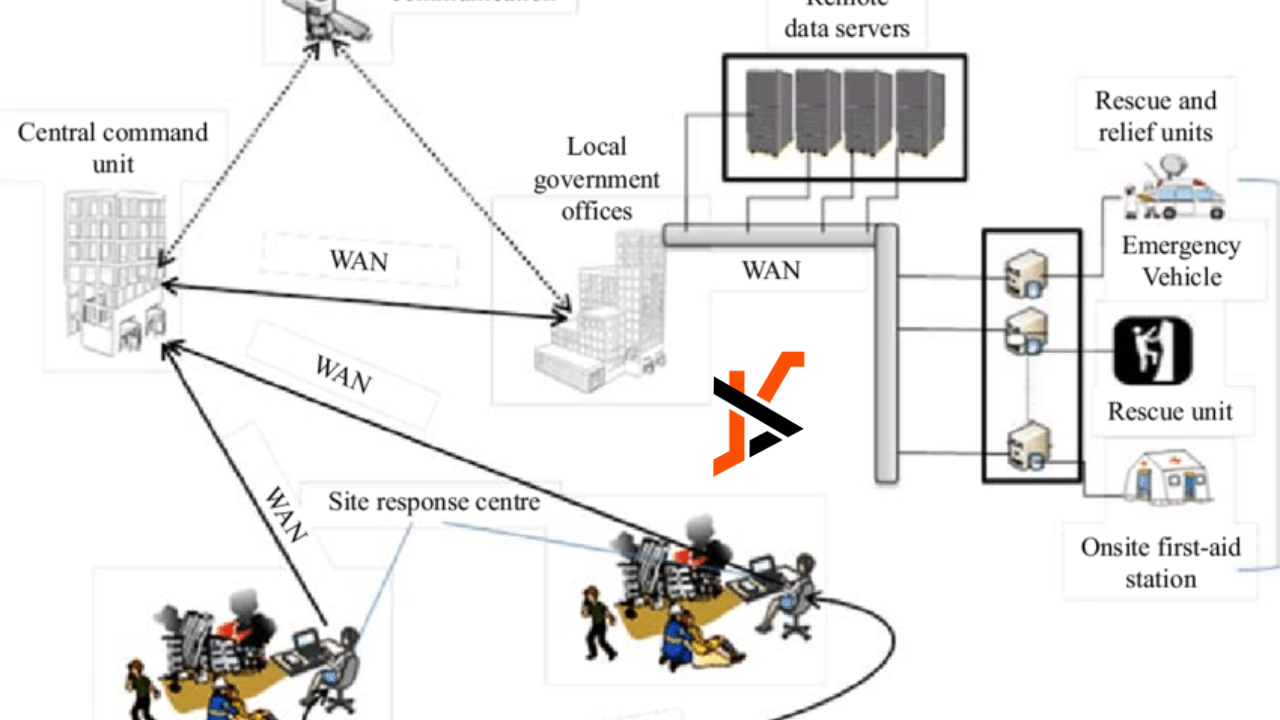
Emergency teams use satellite-enabled voice and broadband services to stay connected with command centers. These networks ensure secure channels for sharing sensitive information such as evacuation plans or casualty reports. - Enabling Digital Tools in the Field
Humanitarian operations increasingly rely on digital platforms for mapping, logistics, and data analysis. With satellite internet, field teams can upload real-time data, access cloud-based systems, and leverage AI-driven tools to improve aid delivery. - Restoring Communication for Affected Communities
In many emergencies, connectivity is not only for responders but also for civilians. Setting up Wi-Fi hotspots through satellite terminals allows communities to reconnect with loved ones, request assistance, or receive safety alerts.
Starlink Land Portfolio: A New Frontier for Humanitarian Response
Among the most transformative innovations in this space is the Starlink Land Portfolio, offered by IEC Telecom. Designed to deliver high-speed, low-latency internet even in remote and infrastructure-deprived areas, Starlink’s network is redefining what is possible in emergency response.
- Portability: Starlink terminals can be quickly transported and deployed, making them ideal for fast-moving humanitarian missions.
- High-Speed Connectivity: Relief agencies can use video conferencing, live mapping, and cloud platforms without delays.
- Scalability: From a single field hospital to an entire refugee camp, Starlink Land solutions can expand to meet growing connectivity needs.
- Cost-Effective Deployment: Unlike traditional systems requiring complex setup, Starlink terminals offer a practical and affordable option for humanitarian organizations.
By partnering with IEC Telecom, agencies gain access not only to Starlink hardware but also to structured support packages — including technical assistance, training, and tailored service plans to ensure uninterrupted operations in the field.
Real-World Scenarios
- Earthquakes: When earthquakes strike, terrestrial lines often collapse. Satellite terminals help emergency teams relay data to international partners for faster deployment of resources.
- Floods and Hurricanes: In coastal regions, storms can wipe out entire power and telecom grids. Humanitarian agencies use satellite internet to map flood zones and coordinate evacuation.
- Conflict Zones: In politically unstable regions, reliable communication may be deliberately disrupted. Satellite networks provide secure, independent channels for NGOs to deliver aid safely.
- Refugee Camps: Long-term humanitarian crises require connectivity to support education, healthcare, and administrative services in camps that may host thousands of displaced people.
Benefits of Satellite Networks for Humanitarian Agencies
- Resilience – Satellite systems operate independently of local infrastructure, making them immune to damage caused by disasters.
- Global Reach – Whether in the Himalayas, Sub-Saharan Africa, or island nations in the Pacific, satellite networks offer consistent service.
- Scalable Solutions – Agencies can scale up or down depending on the size of the operation.
- Enhanced Security – Encrypted connections protect sensitive data, including medical records and refugee information.
- Empowering Local Communities – Beyond emergency response, satellite connectivity supports long-term recovery, enabling schools, clinics, and businesses to function in affected areas.
IEC Telecom: A Trusted Partner in Humanitarian Connectivity
While technology is crucial, the right partner makes all the difference. IEC Telecom has years of experience providing satellite solutions tailored to humanitarian needs. As an authorised distributor of Starlink Land Portfolio, IEC Telecom ensures that agencies receive not only cutting-edge technology but also dedicated support, training, and reliable service plans.
With its global presence and expertise in both portable and fixed satellite systems, IEC Telecom bridges the gap between emergency technology and real-world field requirements.
The Future of Humanitarian Connectivity
Looking ahead, satellite networks will continue to evolve, offering even more powerful solutions for humanitarian aid. Future advancements may include:
- AI-Powered Disaster Analytics: Real-time insights from space to predict and respond to emergencies faster.
- IoT Integration: Smart sensors in disaster zones transmitting data through satellite for faster rescue operations.
- Green Energy Terminals: Solar-powered portable terminals to ensure sustainable, eco-friendly operations in the field.
With these developments, humanitarian agencies will be able to act faster, save more lives, and rebuild communities with greater resilience.
Conclusion
In the face of natural disasters, conflicts, and humanitarian crises, satellite networks remain the backbone of emergency communication. They empower aid agencies to coordinate effectively, restore connectivity, and support communities when they need it most.
Solutions like the Starlink Land Portfolio, offered by IEC Telecom, represent a new era of humanitarian response — fast, portable, and scalable. By combining cutting-edge satellite technology with trusted providers, humanitarian agencies can ensure that even in the darkest moments, hope and connectivity shine through.
In emergencies, connectivity is not just about technology — it is about saving lives.
